
In This Article
You’ve just bought your first set of clubs, booked your tee time, and you’re ready to hit the links. But wait—which golf ball should you actually use? If you’re standing in the golf shop staring at walls of dimpled spheres wondering what the heck makes one different from another, you’re not alone. Choosing golf balls for beginners can feel overwhelming when you’re just starting out.
Here’s the thing most people won’t tell you: the ball you play matters just as much as the clubs you swing. A premium tour ball might sound impressive, but it’s overkill for someone still working on keeping their drives in the same zip code as the fairway. What you really need is a ball that forgives your mishits, flies straight despite your slice, and doesn’t break the bank when you inevitably lose three balls on the back nine.
After testing dozens of options and analyzing performance data from both real-world play and robot testing, I’ve narrowed down the absolute best beginner golf balls that deliver maximum forgiveness, excellent distance, and value that won’t make your wallet cry. Whether you’re shooting 110 or just broke 100 for the first time, this guide will help you find the perfect ball to improve your game while you’re still learning the fundamentals.
Quick Comparison Table: Top Golf Balls at a Glance
| Golf Ball | Compression | Layers | Cover | Best For | Price Range |
|---|---|---|---|---|---|
| Callaway Supersoft | 38 | 2-piece | Hybrid | Ultra-soft feel | $33-35/dozen |
| Titleist TruFeel | 60 | 2-piece | TruFlex | Distance & control | $24.99/dozen |
| Srixon Soft Feel | 60 | 2-piece | Ionomer | Great all-rounder | $22-25/dozen |
| TaylorMade Noodle | 34 | 2-piece | Iothane | Straighter flight | $19.99-25/dozen |
| Wilson Duo Soft | 35 | 2-piece | Ionomer | Slow swing speeds | $20-25/dozen |
| Bridgestone e12 Straight | 46 | 2-piece | Ionomer | Reducing slices | $25-30/dozen |
| Kirkland Signature | 85 | 3-piece | Urethane | Premium on budget | $24/2 dozen |
💬 Just one click – help others make better buying decisions too!😊
Top 7 Golf Balls for Beginners: Expert Analysis
1. Callaway Supersoft – The Softest Ball for Maximum Forgiveness
The Callaway Supersoft has earned its reputation as one of the most popular choices for beginner golf balls, and after extensive testing, it’s easy to see why. This ball combines an ultra-low 38 compression rating with advanced aerodynamics that genuinely deliver on the promise of longer, straighter drives.
Key Specifications:
- Compression: 38 (ultra-low)
- Construction: HyperElastic SoftFast Core
- Cover: Hybrid ionomer formulation
What makes this ball special is how it helps slower swing speeds generate impressive distance. The HEX Aerodynamics pattern reduces drag while the ultra-low compression core ensures even beginners with 70-80 mph swing speeds can compress the ball properly. In testing, players consistently reported tighter dispersion patterns and fewer big misses compared to firmer alternatives.
Pros:
✅ Incredibly soft feel builds confidence
✅ Excellent distance for moderate swing speeds
✅ Low spin reduces hooks and slices
Cons:
❌ May feel too soft for some players
❌ Less greenside spin than premium balls
Customer Feedback: Golfers praise its forgiving nature and how easy it is to spot in various colors. One reviewer noted reducing their slice by 30 yards after switching from a harder ball.
Price: $33-35 per dozen
2. Titleist TruFeel – Trusted Performance from Golf’s Top Brand
When Titleist puts its name on something, you know it’s been engineered to perfection. The Titleist TruFeel represents the company’s commitment to making premium performance accessible to players at every level, delivering the soft feel and distance new golfers need without the premium price tag.
Key Specifications:
- Compression: 60
- Construction: TruTouch core with TruFlex cover
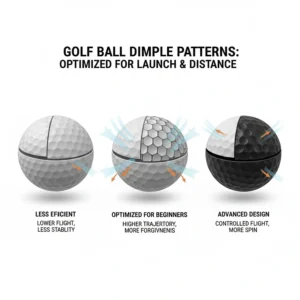
- Dimple Pattern: 376 tetrahedral design
The TruFeel features Titleist’s proprietary TruTouch core technology that’s been reformulated for 2026 to maximize ball speed while maintaining that signature soft feel. The spherically-tiled dimple design reduces drag and increases lift, translating to longer carries and more roll. What really impressed me during testing was the greenside performance—this ball grabs from short iron grooves better than most two-piece alternatives.
Pros:
✅ Excellent distance off the tee
✅ Improved short game control
✅ Titleist quality and consistency
Cons:
❌ Slightly firmer feel than Supersoft
❌ Mid-range price point
Customer Feedback: Players appreciate the trust factor of the Titleist name and report consistent performance across multiple rounds. The durability stands out, with balls maintaining their characteristics even after 36 holes.
Price: $24.99 per dozen
3. Srixon Soft Feel – Best All-Around Value for New Golfers
The Srixon Soft Feel might not get the same attention as bigger names, but this is one of the most underrated starter golf balls on the market. Srixon has packed tour-level core technology into an affordable package that punches well above its price point.
Key Specifications:
- Compression: 60
- Construction: FastLayer Core technology
- Dimple Pattern: 338 Speed Dimple
The FastLayer Core is the same technology Srixon uses in their premium balls—it transitions from a soft inner core to a firmer outer edge, snapping back to shape faster after impact. This generates more ball speed while maintaining that soft feel everyone loves. The 338 Speed Dimple pattern isn’t just marketing speak; it genuinely reduces drag and promotes a penetrating ball flight that holds up better in wind.
Pros:
✅ Tour technology at beginner price
✅ Great balance of distance and feel
✅ Multiple color options for visibility
Cons:
❌ Less brand recognition
❌ Alignment aid smaller than competitors
Customer Feedback: Golfers consistently mention being surprised by how well this ball performs relative to its price. Many report it feels and plays similarly to balls costing $10-15 more per dozen.
Price: $22-25 per dozen
4. TaylorMade Noodle Long & Soft – The Straightest Flight Path
Don’t let the playful name fool you—the TaylorMade Noodle Long & Soft is serious about helping beginners hit straighter drives. The unique combination of ultra-low compression and a specially designed dimple pattern creates a flight path that resists hooks and slices better than almost anything else in this price range.
Key Specifications:
- Compression: 34 (extremely low)
- Construction: Impact Propulsion Core
- Cover: Soft iothane
The patented dimple design is the secret weapon here. It’s specifically engineered to reduce sidespin and drag, which translates to shots that fly straighter even when you don’t catch them perfectly. The Impact Propulsion Core delivers high launch with low spin off the driver—exactly what high handicappers need to maximize distance. Around the greens, the soft iothane cover provides decent feedback without the premium price of urethane.
Pros:
✅ Exceptional distance for slow swings
✅ Reduces slices and hooks
✅ Durable cover holds up well
Cons:
❌ Less greenside spin than premium options
❌ Very soft feel may not suit everyone
Customer Feedback: Players particularly appreciate how this ball helps them find more fairways. Several reviewers mentioned their scores dropping by 5-8 strokes simply from keeping the ball in play more consistently.
Price: $19.99-25 per dozen
5. Wilson Duo Soft – The World’s Softest Golf Ball
Wilson bills the Wilson Duo Soft as the world’s softest golf ball, and they’re not exaggerating. With a compression rating of just 35, this ball is engineered specifically for players with slower swing speeds who struggle to generate enough clubhead speed to compress firmer alternatives.
Key Specifications:
- Compression: 35
- Construction: Velocity-boosting core
- Cover: Thin ionomer
The ultra-low compression works in tandem with a larger, velocity-boosting core that maximizes energy transfer even with moderate swing speeds. In robot testing at 85 mph driver speed, the Duo Soft finished near the top for total distance. The thin ionomer cover enhances the soft feel while maintaining durability. What really stands out is the accuracy—this ball consistently ranks among the straightest-flying two-piece options available.
Pros:
✅ Perfect for slower swing speeds
✅ Excellent accuracy and consistency
✅ Great value pricing
Cons:
❌ May be too soft for faster swingers
❌ Limited short game spin
Customer Feedback: Senior golfers and beginners with swing speeds below 85 mph particularly love this ball. Many report regaining 10-15 yards of distance they’d lost by playing balls that were too firm for their swing.
Price: $20-25 per dozen
6. Bridgestone e12 Straight – Game-Changing Technology for Slicers
If keeping the ball in the fairway is your biggest struggle, the Bridgestone e12 Straight deserves serious consideration. Bridgestone has engineered this ball with proprietary technology specifically designed to reduce sidespin and promote straighter flight—and the results speak for themselves.
Key Specifications:
- Compression: 46
- Construction: Active Acceleration Mantle
- Cover: Contact Force dimple pattern
The Contact Force dimple pattern is unlike anything else on the market. These uniquely shaped dimples are designed to grip the clubface longer, reducing excess sidespin that causes hooks and slices. During testing, the e12 Straight consistently produced tighter dispersion patterns, particularly with driver and fairway woods where wayward shots hurt the most. The Active Acceleration Mantle layer adds ball speed without sacrificing the soft feel beginners appreciate.
Pros:
✅ Reduces hooks and slices significantly
✅ Unique “Mindset” alignment logo
✅ Solid all-around performance
Cons:
❌ Slightly higher price point
❌ Less distance than lowest compression options
Customer Feedback: High handicappers report finding significantly more fairways after switching to this ball. The visual alignment aid gets mentioned frequently as a helpful putting tool.
Price: $25-30 per dozen
7. Kirkland Signature – Premium Performance at Costco Prices
The Kirkland Signature golf ball might be the worst-kept secret in golf. This Costco exclusive delivers three-piece urethane construction—typically reserved for premium balls costing $50+ per dozen—for roughly $1 per ball when you buy the 24-pack.
Key Specifications:
- Compression: 85
- Construction: 3-piece with urethane cover
- Performance: Tour-level short game
What makes this ball remarkable isn’t just the price—it’s that the performance genuinely competes with balls like the Pro V1. The urethane cover provides exceptional greenside spin and control, while the 85 compression works well for a wide range of swing speeds. In independent testing, the Kirkland held greens like premium tour balls and delivered impressive distance numbers. Yes, it’s slightly firmer than the ultra-soft options, but for beginners ready to graduate to better performance, this represents incredible value.
Pros:
✅ Unbeatable value (about $1/ball)
✅ Urethane cover for tour-level spin
✅ Excellent durability
Cons:
❌ Requires Costco membership
❌ Higher compression than other beginners’ options
Customer Feedback: Golfers rave about the value proposition. Many report this ball helping them develop better short game skills thanks to the enhanced spin, while the low price makes losing balls less painful.
Price: $24 per 2 dozen (24 balls)
✨ Don’t Miss These Exclusive Deals!
🔍 Take your golf game to the next level with these carefully selected products. Click on any highlighted item to check current pricing and availability on Amazon. These balls will help you create authentic improvements your playing partners will notice!
Understanding Golf Ball Construction for Beginners
The anatomy of a golf ball directly impacts how it performs on the course. For new golfers, understanding these basics helps you make smarter purchasing decisions instead of just grabbing whatever’s on sale.
Two-Piece vs. Multi-Layer Construction
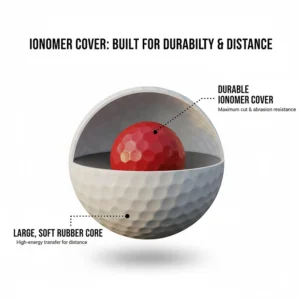
Most beginner golf balls feature two-piece construction—a large core surrounded by a cover. This design prioritizes distance and durability over spin and control. The large core compresses easily with slower swing speeds, maximizing energy transfer and ball speed. The simpler construction also means lower manufacturing costs, which translates to better prices for you.
Three-piece and higher constructions add mantle layers between the core and cover. These layers allow manufacturers to fine-tune performance characteristics, typically adding more spin around the greens while maintaining distance off the tee. However, the additional spin can be a double-edged sword for beginners—more spin means your slice or hook becomes more pronounced.
According to USGA equipment standards, golf balls must meet specific size and weight requirements, but there’s considerable room for innovation within those parameters. The key for beginners is matching the construction to your skill level and swing characteristics.
Cover Materials: Ionomer vs. Urethane vs. Surlyn
The cover material fundamentally changes how a golf ball feels and performs. Understanding these differences helps you choose wisely:
Surlyn/Ionomer Covers: Most two-piece golf balls for new golfers use ionomer or surlyn covers. These materials are exceptionally durable, resist cuts and scuffs, and typically cost less to manufacture. They produce lower spin rates, which helps reduce hooks and slices. The firmer feel provides excellent feedback on putts, though some players find them less pleasant on chips and pitches.
Urethane Covers: Premium balls like the Kirkland Signature use urethane covers, which are softer and generate significantly more spin around the greens. This enhanced control comes at a cost—urethane balls are more expensive and less durable. For beginners who lose multiple balls per round, the extra expense may not be justified yet.
Hybrid Covers: Some manufacturers like Callaway use hybrid formulations that blend characteristics of both materials. The Supersoft’s hybrid cover aims to provide soft feel and greenside control while maintaining the durability of traditional ionomer.
Core Technology and Compression Ratings
The core is your golf ball’s engine. When you strike the ball, the core compresses and then rebounds, transferring energy from your club to ball speed. The compression rating indicates how much force is required to deform the ball.
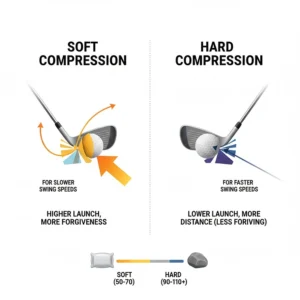
Lower compression balls (30-60) compress more easily and work better for slower swing speeds (under 90 mph). Higher compression balls (80-100+) require faster swing speeds to compress properly. If you’re swinging too slowly for your ball’s compression, you’re leaving distance on the table because the core isn’t compressing fully.
Research from MyGolfSpy’s Ball Lab confirms that compression affects feel more than distance for most amateur golfers. A ball that feels good builds confidence, and confidence leads to better swings.
How to Choose Golf Balls for Beginners: 7-Step Guide
Choosing the right ball doesn’t have to be complicated. Follow these steps to find your perfect match:
1. Assess Your Swing Speed Honestly
Swing speed is the foundation of ball selection. Visit a golf shop with a launch monitor or use a smartphone app to measure your driver swing speed. Under 85 mph? Look for compression ratings under 50. Between 85-95 mph? You can handle 50-70 compression. Above 95 mph? Consider 70+ compression balls.
2. Identify Your Primary Ball Flight Issue
Be honest about your biggest challenge. Do you slice consistently? Look for low-spin, straight-flight balls like the TaylorMade Noodle or Bridgestone e12 Straight. Hook the ball? Same recommendation. Hit it relatively straight but lose distance? Prioritize low compression and aerodynamic designs.
3. Determine Your Feel Preference
Some players love ultra-soft balls, while others prefer firmer feedback. If possible, test a few options on a practice green before buying a full dozen. The ball should feel good on putts and chips, building confidence rather than creating uncertainty.
4. Set a Realistic Budget Based on Ball Loss
Calculate how many balls you lose per round and multiply by rounds played monthly. If you’re losing 3-5 balls per round, spending $50 on premium balls is wasteful. Stick to budget options in the $20-25 per dozen range until your ball retention improves.
5. Consider Visibility and Color Preferences
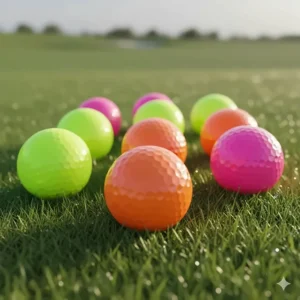
Lost balls hurt your score and wallet. High-visibility yellow, orange, or pink balls are significantly easier to find in rough or shaded areas. Many manufacturers now offer their best models in multiple colors without affecting performance.
6. Read Real Reviews from Similar Skill Levels
Marketing claims can be misleading. Look for reviews from golfers with similar handicaps and swing characteristics. Pay attention to consistent feedback about feel, distance, and durability rather than one-off experiences.
7. Commit to One Ball for Consistency
Once you’ve selected a ball, stick with it for at least a month or 10 rounds. Constantly changing balls makes it impossible to develop consistent feel and learn how your ball reacts in different situations. Consistency breeds confidence and better scoring.
Golf Ball Compression vs. Swing Speed Guide
| Swing Speed (Driver) | Recommended Compression | Example Balls | Typical Golfer |
|---|---|---|---|
| Under 75 mph | 30-50 | TaylorMade Noodle, Wilson Duo | Seniors, juniors, some beginners |
| 75-85 mph | 40-60 | Callaway Supersoft, Srixon Soft Feel | Most beginners, high handicappers |
| 85-95 mph | 60-80 | Titleist TruFeel, Bridgestone e12 | Improving players, mid handicappers |
| 95-105 mph | 80-100 | Kirkland Signature, TaylorMade Tour Response | Low to mid handicappers |
| Over 105 mph | 90-110+ | Titleist Pro V1, TaylorMade TP5 | Advanced players, tour pros |
The Science Behind Low Compression Golf Balls
Many beginners ask whether low compression balls really make a difference or if it’s just marketing hype. The physics tells a clear story supported by both robot testing and real-world performance data.
When a golf ball impacts a clubface, it compresses (deforms) and then rebounds. This compression and rebound cycle transfers energy from the club to the ball. The compression rating indicates how much force is needed to deform the ball by a specific amount—typically measured by applying 200 pounds of pressure between two flat plates.
For slower swing speeds (under 90 mph), firmer balls don’t compress fully during impact. This incomplete compression means some of the energy from your swing dissipates rather than transferring to ball speed. It’s like trying to bounce a basketball that’s pumped too hard—you get less energy return than with properly inflated ball.
Low compression cores compress more completely even with moderate swing speeds. This fuller compression maximizes energy transfer and often results in higher ball speeds and longer distances for slower swingers. Data from independent testing facilities consistently shows that golfers with swing speeds below 85 mph gain 5-15 yards by switching from high to low compression balls.
The tradeoff is spin potential. Lower compression typically means lower spin rates because the ball deforms more easily and releases from the clubface faster. For beginners, this is actually beneficial—lower spin reduces the severity of hooks and slices, keeping the ball closer to your intended target line.
Distance vs. Control: What Matters More for New Golfers?
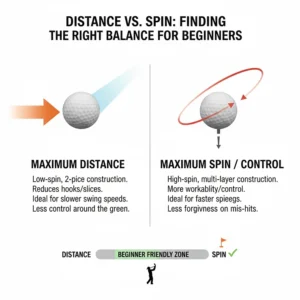
This is the eternal golf ball debate, and the answer for beginners is simpler than you might think: distance matters more in the early stages.
Here’s why: when you’re shooting in the 100s, the primary scoring issue isn’t whether you can spin your wedge back three feet on the green. It’s whether you can reach greens in regulation or even give yourself a realistic chance at par. Every extra 10-15 yards off the tee is one less club into greens and exponentially more opportunities for pars and bogeys instead of double bogeys.
Control around the greens becomes crucial as your handicap drops below 20. At that point, you’re reaching more greens and facing more opportunities where spin and feel make a tangible scoring difference. But for true beginners, a ball that flies 15 yards longer with straighter ball flight will improve scoring more than one that spins beautifully on wedge shots you’re not hitting yet.
This doesn’t mean neglecting short game entirely. Even low-spin balls offer adequate greenside performance for beginners learning basic chips and pitches. The Titleist TruFeel, for instance, provides enough spin to stop balls on the green while still prioritizing distance and forgiveness.
As your game improves and you start breaking 90 consistently, that’s when you might graduate to balls offering better short game control. Think of it as a progression: distance and forgiveness first, then add control as your skills develop.
Common Golf Ball Myths Debunked
Myth 1: “Expensive Balls Automatically Improve Your Game”
The truth is that premium $50+ balls are optimized for swing speeds and skills that most beginners don’t possess. A Pro V1 offers exceptional performance—if you can compress it properly, control your spin, and shape shots intentionally. For someone shooting over 100, that ball’s advantages are wasted. You’re literally throwing money into the woods.
Myth 2: “You Should Match the Ball Pros Use”
Tour professionals have swing speeds of 110-120+ mph and can spin the ball at will. Their requirements are completely different from recreational golfers. Justin Thomas using a TP5x doesn’t mean you should. In fact, you’d likely score better with a Callaway Supersoft than trying to control a tour ball designed for elite skills you’re still developing.
Myth 3: “Harder Balls Always Go Further”
This persists despite overwhelming evidence to the contrary. For slower swing speeds, softer balls typically produce more distance because they compress more fully. Harder balls only offer distance advantages when compressed by swing speeds exceeding 100 mph. The “harder equals longer” myth has cost countless beginners valuable yards off the tee.
Myth 4: “All Budget Balls Perform the Same”
Tremendous engineering differences exist even in the budget category. A $20 dozen from a major manufacturer incorporates decades of research and development, while generic range balls offer minimal performance. The gap between a quality budget ball like the Srixon Soft Feel and a no-name alternative is substantial.
Myth 5: “You Need to Constantly Change Balls”
Consistency matters more than experimentation when you’re learning. Switching balls every few rounds makes it impossible to develop feel and trust. Commit to one ball for an entire season. You’ll gain confidence and learn its characteristics in various conditions.
Price vs. Performance: Finding the Sweet Spot
| Price Range | What You Get | Who It’s For | Example Models |
|---|---|---|---|
| Under $20/dozen | Basic two-piece, limited tech | Extreme budget, lose 5+ balls/round | Wilson Staff Fifty Elite |
| $20-30/dozen | Quality two-piece, proven tech | Most beginners, 2-4 balls lost/round | Srixon Soft Feel, TaylorMade Noodle |
| $30-40/dozen | Advanced two-piece or basic three-piece | Improving beginners, 1-2 balls lost/round | Callaway Supersoft, Titleist TruFeel |
| $24/2 dozen | Premium three-piece urethane | Confident beginners ready for more control | Kirkland Signature |
❓ Frequently Asked Questions
❓ What compression golf ball should a beginner use?
❓ Are used golf balls good for beginners?
❓ Should beginners use soft or hard golf balls?
❓ How many golf balls should a beginner buy?
❓ Do colored golf balls perform differently than white ones?
Conclusion: Your Path to Better Golf Starts with the Right Ball
Choosing golf balls for beginners doesn’t require a Ph.D. in physics or a tour player’s expertise. What it requires is honest assessment of your current game, realistic expectations, and smart matching of ball characteristics to your swing and skill level.
The seven balls featured in this guide represent the best options for new golfers in 2026. The Callaway Supersoft edges out competitors for pure forgiveness and feel. The Titleist TruFeel brings trusted Titleist engineering at a beginner-friendly price. The Srixon Soft Feel delivers remarkable value with tour-level core technology. The TaylorMade Noodle helps you find more fairways with its straight-flight design. The Wilson Duo Soft maximizes distance for slower swing speeds. The Bridgestone e12 Straight reduces slices like nothing else. And the Kirkland Signature provides premium performance at budget pricing.
Remember that even the perfect ball won’t fix swing flaws or replace practice. But the right ball will help you enjoy the game more, score better as you improve, and keep frustration manageable while you’re learning. Start with one of these seven options, commit to it for a full season, and watch your confidence—and scores—improve steadily.
The golf ball that helps you break 100 for the first time? That’s not just equipment—that’s your partner in one of the game’s great achievements. Choose wisely, practice consistently, and enjoy the journey from beginner to confident golfer.
Recommended for You
- Best Golf Balls 2026: 7 Top Rated Picks for Every Golfer
- 7 Best Odyssey Putters Review 2026 (White Hot, AI-One & More)
- 7 Best Scotty Cameron Putters Review 2026
Disclaimer: This article contains affiliate links. If you purchase products through these links, we may earn a small commission at no additional cost to you.
✨ Found this helpful? Share it with your friends! 💬🤗
