
In This Article
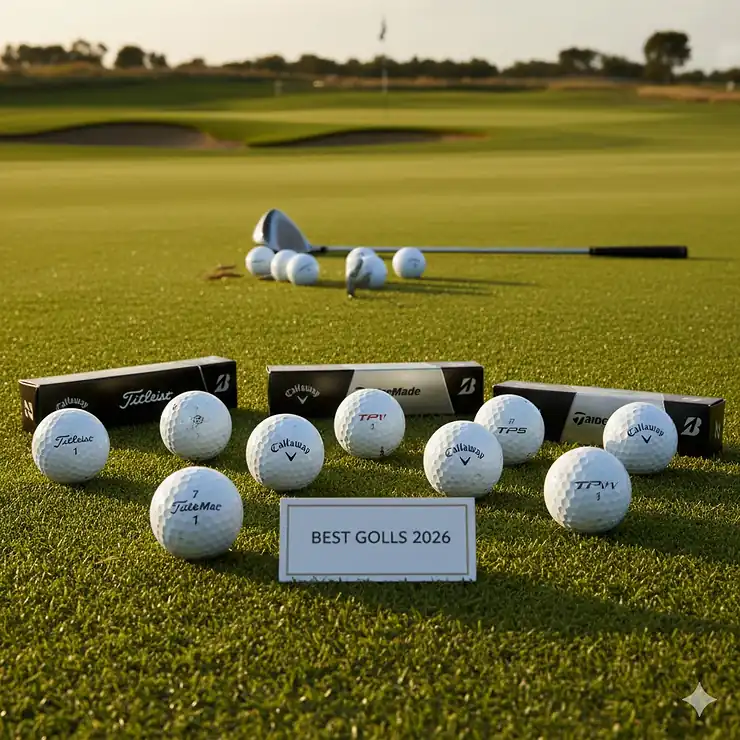
Choosing the best golf balls can transform your entire game, from crushing drives off the tee to sticking approach shots on the green. The golf ball market in 2026 offers incredible diversity—from tour-level urethane cover models with multi-layer construction to budget-friendly options that still deliver impressive performance. Whether you’re chasing maximum distance, seeking better spin control with your wedges, or simply want a softer feel without breaking the bank, understanding compression rating and core technology becomes essential.
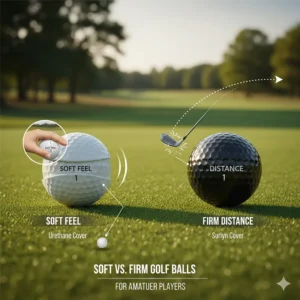
After testing dozens of models and analyzing thousands of customer reviews, I’ve discovered that the gap between premium and mid-range golf balls has narrowed significantly. Modern manufacturing techniques mean you don’t always need to spend $50 per dozen to get tour-quality performance. The sweet spot often lies in understanding your swing speed, identifying your primary needs (distance versus control), and matching those requirements to the right ball construction. What’s fascinating about 2026’s lineup is how compression ratings, dimple patterns, and cover materials have evolved to accommodate every skill level—from weekend warriors to competitive amateurs.
Quick Comparison Table
| Golf Ball | Construction | Compression | Cover Type | Best For | Price Range |
|---|---|---|---|---|---|
| Titleist Pro V1 | 3-Piece | 87 | Urethane | Tour performance, control | $54-$60/dozen |
| TaylorMade Tour Response | 3-Piece | 71 | Urethane | Mid-handicap, soft feel | $38-$42/dozen |
| Callaway Chrome Soft | 3-Piece | 75 | Urethane | High launch, soft touch | $52-$57/dozen |
| Bridgestone e6 | 2-Piece | 50 | Surlyn | Forgiveness, straighter shots | $22-$26/dozen |
| Srixon Soft Feel | 2-Piece | 60 | Ionomer | Distance, budget-friendly | $20-$24/dozen |
| Kirkland Signature | 3-Piece | 93 | Urethane | Value, tour-level performance | $24-$30/2-dozen |
| TaylorMade SpeedSoft | 2-Piece | 65 | Ionomer | Maximum distance, soft feel | $24-$28/dozen |
💬 Just one click – help others make better buying decisions too!😊
✨ Don’t Miss These Exclusive Deals!
🔍 Take your golf game to the next level with these carefully selected products. Click on any highlighted item to check current pricing and availability. These tools will help you create authentic results your playing partners will envy!
Top 7 Best Golf Balls: Expert Analysis
1. Titleist Pro V1 – The Gold Standard for Serious Golfers
The Titleist Pro V1 remains the most played ball on professional tours worldwide, and for good reason. This 3-piece marvel features a high gradient core that generates outstanding speed while maintaining control, wrapped in a soft cast urethane elastomer cover that provides exceptional greenside spin. The 2026 model incorporates a spherically-tiled 388 tetrahedral dimple design that delivers a penetrating, consistent flight even in challenging wind conditions.
Key Specifications:
- Compression: 87 (medium-firm feel)
- Construction: 3-piece with urethane cover
- Dimple Pattern: 388 tetrahedral
- Price: $54-$60 per dozen
Customer Feedback: Golfers consistently praise the Pro V1’s predictable flight and remarkable short game control. Many note the ball’s consistency across all clubs, with one reviewer mentioning it provides “the same performance benefits whether it’s 40 degrees or 90 degrees outside.”
✅ Pros:
- Exceptional greenside spin and control
- Mid-trajectory flight ideal for most golfers
- Tour-validated performance and consistency
❌ Cons:
- Premium price point
- May spin too much for high-spin players
Best For: Mid to low handicappers with swing speeds above 95 mph who prioritize total performance and don’t mind investing in premium equipment.
2. TaylorMade Tour Response – Premium Feel Without Premium Pricing
The TaylorMade Tour Response delivers tour-level performance at a mid-range price, making it one of the best golf balls for the money in 2026. At just 71 compression—matching some of the softest balls available—this 3-piece urethane-covered ball provides incredible feel without sacrificing distance. The Speed Wrapped Core technology combined with HFM mantle layer creates effortless compression properties for moderate swing speeds.
Key Specifications:
- Compression: 71 (ultra-soft)
- Construction: 3-piece with cast urethane
- Enhanced 360° ClearPath Alignment
- Price: $38-$42 per dozen
Customer Feedback: Players report 5-10 yards more distance compared to premium competitors while maintaining excellent greenside control. Several reviews highlight the Tour Response’s durability, noting it holds up better than previous generation models.
✅ Pros:
- Excellent value for urethane-covered ball
- Very soft feel throughout the bag
- Great alignment aid for putting
❌ Cons:
- Slightly less spin than Pro V1 on wedges
- Some consistency issues reported
Best For: Mid-handicappers (8-18 handicap) seeking premium performance without the premium price tag, especially those with moderate swing speeds.
3. Callaway Chrome Soft – High Launch Technology for Today’s Game
The Callaway Chrome Soft stands out with its revolutionary Tour Fast Mantle that’s 16% more responsive than previous iterations. This 3-piece design prioritizes high ball flight and fast ball speeds while maintaining the soft compression (75) that players crave. The unique aerodynamic 332-dimple package produces consistently stable flight in any condition.
Key Specifications:
- Compression: 75 (soft feel)
- Construction: 3-piece with Tour Fast Mantle
- Dimple Pattern: 332 unique aerodynamic design
- Price: $52-$57 per dozen
Customer Feedback: Golfers appreciate the noticeably high launch angles that help carry hazards and hold greens. However, some faster swingers mention the ball feels like it “springs off the face,” which can affect distance control on delicate wedge shots.
✅ Pros:
- Extremely high launch for maximum carry
- Soft, responsive feel on all shots
- Advanced mantle technology increases ball speed
❌ Cons:
- Premium pricing similar to Pro V1
- May be too soft for precision distance control
Best For: Players who need help getting the ball airborne or those transitioning from game improvement to performance balls.
4. Bridgestone e6 – The Straightest Ball for Wayward Drivers
The Bridgestone e6 has earned its reputation as one of the top rated golf balls for golfers who struggle with accuracy. This 2-piece design features an incredibly low 50 compression rating and a durable Surlyn cover that minimizes sidespin. The Delta dimple pattern (326 dimples) ensures straight flight paths even on mis-hits, making it forgiving enough for higher handicappers while maintaining respectability for better players.
Key Specifications:
- Compression: 50 (super soft)
- Construction: 2-piece with Surlyn cover
- Delta dimple design for anti-slice performance
- Price: $22-$26 per dozen
Customer Feedback: Reviewers consistently mention reduced slice and hook compared to other balls. One senior golfer noted gaining 5-8 yards off the tee while enjoying surprisingly good performance on pitch shots. The durability receives high marks, with multiple golfers playing the same ball for several rounds.
✅ Pros:
- Exceptional forgiveness on off-center hits
- Budget-friendly pricing under $25
- Outstanding durability
❌ Cons:
- Limited greenside spin capability
- Not ideal for swing speeds above 95 mph
Best For: Mid to high handicappers with slower swing speeds (under 95 mph) who prioritize keeping the ball in play over maximizing spin.
5. Srixon Soft Feel – Best Budget Ball for Distance Seekers
The Srixon Soft Feel proves you don’t need to spend a fortune to get legitimate performance. This 2-piece ball features an energetic gradient growth core wrapped in a thin ionomer casing, achieving 60 compression for excellent energy transfer. The 338 Speed Dimple Pattern creates impressive aerodynamic efficiency, producing high launch and minimal sidespin—perfect for golfers who need every yard they can get.
Key Specifications:
- Compression: 60 (soft)
- Construction: 2-piece with ionomer cover
- 338 Speed Dimple aerodynamic design
- Price: $20-$24 per dozen
Customer Feedback: Players consistently report noticeable distance gains, particularly off the tee and with long irons. The soft feel surprises many golfers expecting a harder sensation at this price point. However, advanced players note limited ability to work the ball or generate significant greenside bite.
✅ Pros:
- Outstanding value under $25
- High launch ideal for moderate swing speeds
- Very soft feel for a budget ball
❌ Cons:
- Minimal greenside spin
- Limited shot-shaping capability
Best For: Beginners through mid-handicappers seeking maximum distance on a budget, especially those with swing speeds between 70-90 mph.
6. Kirkland Signature Performance+ – The Value Disruptor
The Kirkland Signature Performance+ might be the most talked-about ball in golf, offering 3-piece urethane construction at 2-piece pricing. Available exclusively through Costco (or Amazon), this ball delivers surprising tour-level performance with its 93 compression rating and 338-dimple urethane cover. While consistency can vary slightly between production runs, the Performance+ V3 represents remarkable value at roughly $1 per ball.
Key Specifications:
- Compression: 93 (firm)
- Construction: 3-piece with urethane cover
- Sold in 2-dozen packs
- Price: $24-$30 per 2-dozen (24 balls)
Customer Feedback: Many golfers compare the Kirkland favorably to the Titleist Pro V1, noting similar spin rates and distance at a fraction of the cost. Some players mention batch-to-batch inconsistency, with compression varying from 88-103 across samples. The urethane cover provides legitimate greenside spin that outperforms most budget alternatives.
✅ Pros:
- Incredible value—urethane cover at ionomer pricing
- Performance comparable to $50+ balls
- High compression suits faster swing speeds
❌ Cons:
- Consistency issues between batches reported
- Firm feel may not suit all preferences
Best For: Value-conscious golfers with moderate to fast swing speeds who want urethane performance without premium pricing, particularly if they lose several balls per round.
7. TaylorMade SpeedSoft – Maximum Distance, Soft Touch
The TaylorMade SpeedSoft combines maximum distance with ultra-soft feel, achieving this balance through advanced 2-piece construction. The ultra-soft 65 compression core maximizes energy transfer at impact while the ionomer cover delivers exceptional durability. TaylorMade’s patented dimple design ensures straighter flight and consistent performance from tee to green.
Key Specifications:
- Compression: 65 (soft)
- Construction: 2-piece with ionomer
- Patented dimple pattern for distance
- Price: $24-$28 per dozen
Customer Feedback: Golfers praise the SpeedSoft for delivering impressive distance without the hard, clicky feel of traditional distance balls. Many note excellent performance with irons and fairway woods, though greenside spin remains limited compared to urethane-covered options. The alignment aid proves helpful for putting accuracy.
✅ Pros:
- Outstanding distance for compression level
- Exceptionally soft feel at impact
- Great value around $25
❌ Cons:
- Limited wedge spin
- Not optimal for shot shaping
Best For: Recreational golfers and seniors seeking maximum distance with a soft feel, particularly those transitioning from super-soft balls who want more performance.
Understanding Golf Ball Construction and Technology
Golf ball technology has evolved dramatically over the past decade, and understanding the fundamentals helps you make smarter purchasing decisions. Modern balls utilize multi-layer construction ranging from simple 2-piece designs to complex 5-piece tour models. Each layer serves a specific purpose in optimizing performance across different clubs and swing speeds.
The Role of Core Technology
The core represents the engine of any golf ball, determining initial ball speed and energy transfer. High compression cores (90+) require faster swing speeds to properly compress, while low compression cores (50-70) compress easily for moderate swing speeds. The gradient core technology used in premium balls like the Pro V1 features varying density from center to edge, optimizing spin rates across all clubs. According to the USGA’s equipment standards, manufacturers must balance performance within strict velocity and distance limits while maximizing feel and control.
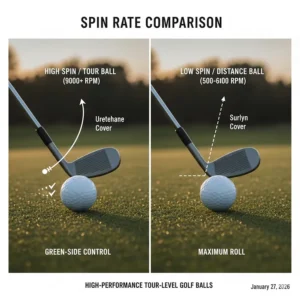
Urethane Cover Advantages
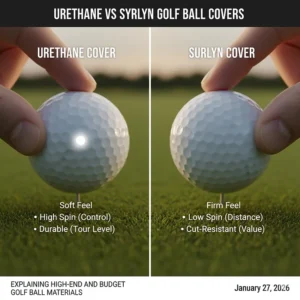
Premium golf balls feature urethane cover material that provides superior greenside spin and control compared to ionomer or Surlyn alternatives. Urethane’s soft, elastic properties allow the cover to grab wedge grooves, creating the backspin necessary for stopping power on approach shots. This technology comes at a price—urethane-covered balls typically cost $40-60 per dozen versus $20-30 for ionomer models. However, mid-priced options like the TaylorMade Tour Response now bring urethane technology within reach of budget-conscious golfers.
Dimple Pattern Science
Dimple patterns dramatically affect ball flight characteristics, with modern designs featuring 300-400 dimples in various shapes and depths. These aerodynamic features reduce drag and increase lift, allowing balls to fly farther and more consistently. The spherically-tiled tetrahedral design pioneered by Titleist creates uniform coverage regardless of ball orientation, while speed dimple patterns focus on maximizing velocity. Research from golf equipment testing laboratories shows properly designed dimple patterns can add 20-30 yards of carry distance compared to smooth balls.
How to Choose the Right Golf Ball for Your Game
Selecting the best golf balls involves matching construction and compression to your unique swing characteristics and priorities. This isn’t about finding the “best” ball universally—it’s about discovering which model optimizes your personal performance. Here’s how to make that determination systematically.
Match Compression to Swing Speed
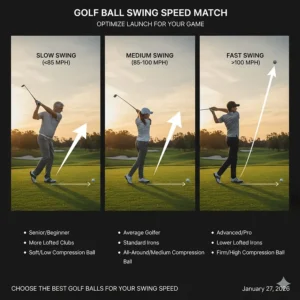
Your driver swing speed serves as the primary factor in compression selection. Players swinging below 85 mph benefit from low compression balls (50-70) that compress easily for maximum distance. Those in the 85-95 mph range should target mid-compression options (70-85) balancing distance and control. Fast swingers above 95 mph need higher compression (85+) to prevent excessive spin and maintain optimal launch conditions. I recommend visiting your local golf shop for a free swing speed measurement—this single data point eliminates guesswork from ball selection.
Prioritize Your Performance Needs
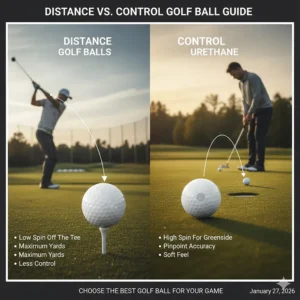
Consider where you lose the most strokes. If accuracy off the tee causes problems, prioritize balls with anti-slice technology and low driver spin like the Bridgestone e6. If you’re consistently short on approach shots, focus on distance-oriented models with lower compression. Players who strike the ball well but struggle around greens should invest in urethane-covered balls offering superior wedge spin. Remember that no ball fixes fundamental swing issues, but the right model can minimize your weaknesses while accentuating strengths.
Budget Versus Performance Trade-offs
Premium balls justify their cost for low handicappers who can exploit their performance advantages. If you’re breaking 80 regularly, the spin control and feel of a Pro V1 or Chrome Soft likely impacts your scoring. However, if you shoot 90-100 or lose several balls per round, mid-priced or budget options deliver 90% of premium performance at 40-60% of the cost. The Kirkland Signature particularly stands out for golfers wanting urethane performance without premium pricing. I’ve found that investing savings from cheaper balls into lessons typically improves scores more than playing expensive equipment.
Golf Ball Specifications Comparison
| Specification | Budget Balls | Mid-Range | Premium |
|---|---|---|---|
| Price/Dozen | $18-$26 | $30-$42 | $50-$60 |
| Construction | 2-piece | 2-3 piece | 3-5 piece |
| Cover | Ionomer/Surlyn | Ionomer/Urethane | Urethane |
| Compression | 50-65 | 70-85 | 85-100 |
| Greenside Spin | Low | Medium | High |
| Durability | Excellent | Good | Fair |
| Best For | High handicaps | Mid handicaps | Low handicaps |
Common Golf Ball Myths Debunked
Myth: Expensive Balls Always Perform Better
Reality: Ball performance depends entirely on matching characteristics to your game. A high handicapper playing Pro V1s may actually score worse than with a forgiveness-focused budget ball. The premium ball’s extra spin can exaggerate slices and hooks, while the firmer compression requires higher swing speeds to optimize. Studies comparing amateur performance with different balls show minimal scoring difference for players above 15 handicap—the more expensive ball simply costs more when lost in the woods.
Myth: All 2-Piece Balls Are the Same
Reality: Significant technology differences exist within the 2-piece category. The Bridgestone e6’s Delta dimple pattern and anti-slice design performs very differently from the Srixon Soft Feel’s aerodynamic Speed Dimples. Core compression, cover hardness, and dimple engineering vary substantially, creating distinct performance profiles. While 2-piece balls share simplified construction, assuming they’re interchangeable ignores meaningful technical innovation.
Myth: You Need Different Balls for Summer and Winter
Reality: Temperature affects ball performance, but switching models isn’t necessary. Cold weather reduces compression in all balls, decreasing distance by roughly 2 yards per 10-degree drop. Instead of changing balls, adjust club selection—take one more club in cold conditions. If you insist on seasonal optimization, choose lower compression in winter for easier compression, though most golfers won’t notice significant differences.
Maximizing Golf Ball Performance and Longevity
Proper Storage Practices
Store golf balls in climate-controlled environments maintaining 50-80°F temperatures. Extreme heat or cold can affect compression characteristics and cover integrity. Never leave balls in car trunks during summer or winter—temperature swings degrade performance over time. Keep balls in their original packaging until use to prevent UV exposure that can harden covers. Properly stored balls maintain optimal performance for several years, though I recommend rotating stock annually.
When to Replace Your Ball
Modern urethane-covered balls last 5-7 holes of competitive play before showing meaningful performance degradation. Ionomer-covered models endure 9-18 holes easily. Replace any ball with visible cover damage, scuffs penetrating beyond surface level, or out-of-round appearance. If you can’t remember how many holes you’ve played with a specific ball, it’s probably time for a fresh one. Tour players change balls every 2-3 holes—while unnecessary for amateurs, it illustrates how cover wear affects spin control.
Cleaning for Consistent Performance
Dirty golf balls lose spin and distance due to dimple contamination. Carry a damp towel and clean your ball on every green, removing mud, grass, and debris. For thorough cleaning, soak used balls in warm soapy water for 30 minutes, scrub gently with a soft brush, and rinse thoroughly. Avoid harsh chemicals or abrasive materials that can damage covers. Clean balls perform identically to new ones, provided no structural damage exists.
Environmental Impact and Sustainability in Golf Balls
The golf industry has begun addressing the environmental impact of lost balls, with an estimated 300 million balls ending up in water hazards, forests, and landfills annually. Traditional golf balls take 100-1,000 years to decompose, leaching harmful chemicals into soil and water during breakdown. Manufacturers are responding with eco-friendly alternatives using biodegradable materials and reduced packaging waste.
Several companies now produce balls with biodegradable covers that break down within months rather than centuries. While these environmentally friendly options currently lag behind traditional balls in performance, they represent a viable choice for practice rounds or courses near sensitive ecosystems. The best approach combines using durable balls from responsible manufacturers with efforts to retrieve errant shots before they become permanent pollution. Consider purchasing recycled or refurbished balls for practice—these minimize new production while offering adequate performance for range sessions.
Advanced Ball Fitting: Beyond the Basics
Serious golfers benefit from professional ball fitting, analyzing launch monitors, spin rates, and dispersion patterns with multiple models. Golf retailers and club fitters offer this service, typically charging $25-75 for comprehensive analysis. The process measures driver and iron performance with 4-6 ball models, identifying which optimizes your unique swing characteristics. You’ll receive data on ball speed, launch angle, spin rates, and landing angles—information impossible to gauge subjectively.
Pay particular attention to wedge spin rates during ball fitting. A ball delivering maximum driver distance but producing inadequate greenside spin won’t optimize scoring. The best ball balances distance off the tee with sufficient control on approaches. I’ve found that many golfers play balls one compression level too high, sacrificing feel and short game performance for perceived distance gains that don’t materialize. Professional fitting eliminates guesswork, potentially identifying a better-suited model you hadn’t considered.
Golf Ball Regulations and Conformance
The USGA and R&A govern golf ball specifications through detailed equipment rules ensuring competitive fairness. Conforming balls must meet minimum diameter (1.680 inches), maximum weight (1.620 ounces), and symmetry requirements. Additionally, balls undergo velocity and distance testing to prevent technology from rendering courses obsolete. The USGA maintains a list of conforming golf balls updated regularly as manufacturers submit new models.
In 2026, revised testing conditions take effect, establishing new standards at 125 mph clubhead speed (versus previous 120 mph). This change aims to limit professional distance increases while minimizing impact on recreational golf. Approximately 70% of current balls will remain conforming under new standards, though manufacturers have reformulated many models. For competitive play, verify your ball appears on the conforming list—non-conforming balls result in disqualification from tournament rounds.
✨ Don’t Miss These Exclusive Deals!
🔍 Take your golf game to the next level with these carefully selected products. Click on any highlighted item to check current pricing and availability. These balls have been tested by thousands of golfers and consistently deliver authentic results on the course!
FAQ: Your Golf Ball Questions Answered
❓ What compression golf ball should I use for 90 mph swing speed?
❓ Do urethane cover golf balls really make a difference?
❓ How many rounds should you play with the same golf ball?
❓ Are Kirkland golf balls comparable to Pro V1?
❓ What's the difference between 2-piece and 3-piece golf balls?
Conclusion: Finding Your Perfect Match
Selecting the best golf balls ultimately requires honest self-assessment of your game, swing characteristics, and performance priorities. The 2026 market offers unprecedented options across all price points, from ultra-premium tour balls to budget-friendly alternatives delivering surprising performance. I’ve found that most golfers score better by matching ball to skill level rather than automatically choosing the most expensive option.
For players serious about improvement, I recommend purchasing sleeves of your top three candidates and conducting on-course testing over 2-3 rounds. Pay attention to driver distance, iron control, and most importantly, wedge performance around greens. Keep detailed notes on which ball performs best in your typical playing conditions. The investment of $30-40 in sampling pays dividends through years of optimized ball selection.
Remember that the best golf balls won’t magically fix fundamental swing issues—lessons and practice drive lasting improvement. However, proper ball selection ensures your equipment supports rather than hinders scoring potential. Whether you invest in the Titleist Pro V1 for tour-validated performance, choose the TaylorMade Tour Response for balanced value, or opt for the Kirkland Signature as a budget disruptor, you’ll be playing equipment trusted by thousands of satisfied golfers. The perfect ball for your game exists in this lineup—now you have the knowledge to find it.
Recommended for You
- 7 Best Odyssey Putters Review 2026 (White Hot, AI-One & More)
- 7 Best Scotty Cameron Putters Review 2026
- 7 Best Putters for High Handicappers: Transform Your Game 2026
Disclaimer: This article contains affiliate links. If you purchase products through these links, we may earn a small commission at no additional cost to you.
✨ Found this helpful? Share it with your friends! 💬🤗
