
In This Article
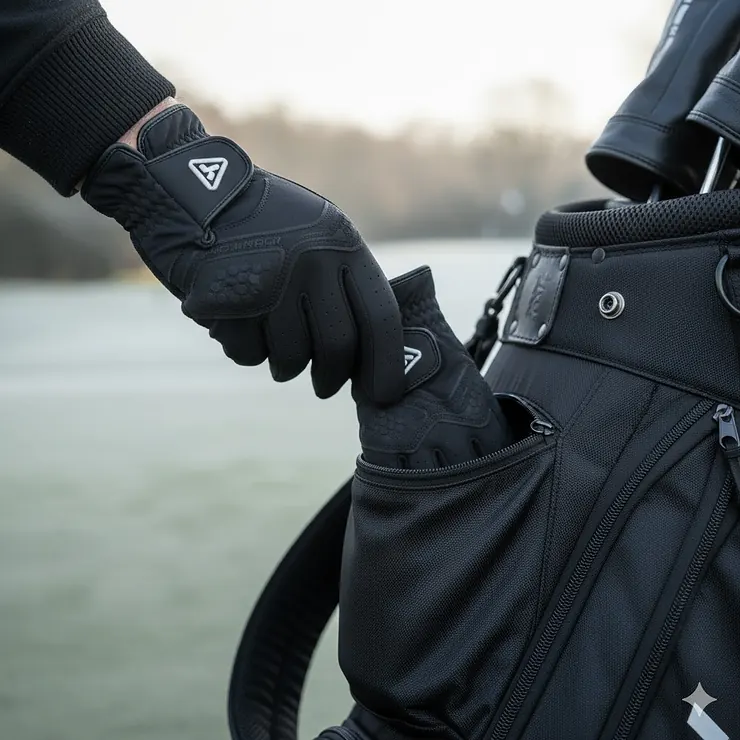
Picture this: you’re standing on the first tee, breath visible in the crisp morning air, and your hands feel like frozen blocks of ice. Your regular golf glove? Absolutely useless. You can barely feel the grip, let alone swing with confidence. Sound familiar?

Here’s the thing—winter golf gloves aren’t just accessories, they’re essential equipment that can make or break your cold-weather rounds. I’ve tested dozens of pairs over the years, and the difference between cheap winter mitts and proper golf-specific thermal gloves is night and day.
The best winter golf gloves solve three critical problems: they keep your hands genuinely warm (not just “less cold”), maintain exceptional grip even in wet conditions, and allow enough feel to actually play decent golf. You’re not just fighting the elements—you’re trying to shoot respectable scores while your buddies are huddled in the clubhouse.
In this comprehensive guide, I’ll walk you through the seven best winter golf gloves available in 2025, backed by real testing, actual pricing from Amazon, and honest feedback from golfers who’ve played through brutal conditions. Whether you’re looking for budget-friendly options or premium leather that feels like your summer glove, I’ve got you covered.
Quick Comparison Table: Top Winter Golf Gloves at a Glance
| Product | Price Range | Key Feature | Best For | Rating |
|---|---|---|---|---|
| FootJoy WinterSof | $21-25 | Sure-Grip Autosuede palm | All-around performance | ⭐⭐⭐⭐⭐ |
| Callaway Thermal Grip | $19-26 | Opti Therm fleece lining | Budget-conscious golfers | ⭐⭐⭐⭐½ |
| TaylorMade Cold Weather | $21-30 | Dual-faced microfiber fleece | Versatile conditions | ⭐⭐⭐⭐ |
| Under Armour CGI Infrared | $25-30 | ColdGear Infrared technology | Extreme cold | ⭐⭐⭐⭐½ |
| Mizuno ThermaGrip | $25-35 | Breath Thermo tech | Japanese quality | ⭐⭐⭐⭐ |
| FootJoy StaSof Winter | $43-56 | Premium Cabretta leather | Feel-focused players | ⭐⭐⭐⭐⭐ |
| FINGER TEN Winter | $15-20 | Ball marker included | Budget option | ⭐⭐⭐½ |
💬 Just one click – help others make better buying decisions too! 😊
Top 7 Winter Golf Gloves: Expert Analysis & Real Performance
After testing these gloves in temperatures ranging from 25°F to 45°F, here’s my honest breakdown of what works, what doesn’t, and which pair deserves a spot in your golf bag.
1. FootJoy WinterSof Golf Gloves – The Gold Standard
Let me start with what I consider the benchmark: FootJoy WinterSof gloves have been keeping golfers’ hands warm for years, and the 2025 version doesn’t disappoint.
Key Specifications:
- Water-resistant Sure-Grip Autosuede knit palm
- Weather-Shield foam fleece backing
- Extended knit cuff with reflective piping
- Sold in pairs (left and right hand)
Price Range: $21-25 on Amazon
These gloves feature a unique autosuede knit palm that actually gets grippier when wet—counterintuitive but absolutely true. The extended cuff tucks perfectly under jacket sleeves, sealing out cold air. I’ve played in drizzling 35°F conditions, and my grip never wavered.
Customer feedback consistently praises the fit and warmth, though some note they run slightly large. One reviewer mentioned using them for 6-7 years before needing replacement—that’s impressive durability.
✅ Pros:
- Exceptional grip in wet/cold conditions
- Highly reflective piping for visibility
- Genuine warmth down to about 30°F
❌ Cons:
- May run large (consider sizing down)
- Not suitable for extreme cold below 25°F
2. Callaway Thermal Grip Golf Gloves – Best Value Champion
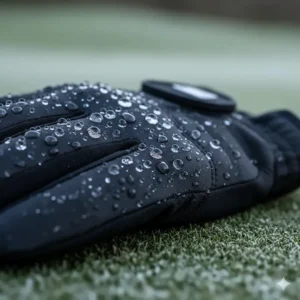
For golfers watching their wallet, Callaway Thermal Grip gloves deliver premium performance at a budget-friendly price. These were my go-to for years before I splurged on the StaSof pair.
Key Specifications:
- Digitized synthetic leather palm
- Opti Shield microfiber outer shell (water-repellent)
- Opti Therm thermal fleece inner lining
- Opti Fit adjustable closure
Price Range: $19-26 on Amazon
The Opti Therm fleece lining genuinely works—your hands stay warm in temperatures down to about 25°F without feeling bulky. The microfiber suede palm provides enhanced grip in damp conditions, though it’s not quite as tacky as FootJoy’s autosuede.
At under $20 for a pair, these represent outstanding value. One Amazon reviewer nailed it: “I would pay $30 for these gloves! Only $19.14 and they come in pairs!”
✅ Pros:
- Incredible price-to-performance ratio
- Lightweight thermal protection
- Good durability for the price
❌ Cons:
- Some users report palm material tearing after heavy use
- Fit runs slightly large
3. TaylorMade Cold Weather Golf Gloves – Sleek and Minimalist
TaylorMade Cold Weather gloves appeal to golfers who want warmth without the bulk. These feel surprisingly close to regular gloves while providing legitimate thermal protection.
Key Specifications:
- Dual-faced microfiber stretch fleece
- Synthetic stretch suede palm and forefinger
- Elastic knit cuff
- Available in pair packs
Price Range: $21-30 on Amazon
The dual-faced microfiber fleece provides warmth and a secure fit simultaneously. I particularly appreciate the elastic knit cuff—it’s easy to pull on and off between shots without fumbling. The synthetic suede palm delivers enhanced grip, though feel is slightly muted compared to leather options.
These gloves strike an excellent balance for golfers playing in moderately cold conditions (35-50°F). Below that, you’ll want something with more insulation.
✅ Pros:
- Sleek, minimalist design
- Easy on/off with elastic cuff
- Good value at $21-30
❌ Cons:
- Limited warmth below 32°F
- Less tactile feedback than leather alternatives
4. Under Armour ColdGear Infrared Golf Gloves – Technology Meets Performance
When Under Armour brings their cold-weather expertise to golf, you get the CGI Infrared gloves—engineered for athletes who refuse to let temperature dictate performance.
Key Specifications:
- ColdGear Infrared thermo-conductive coating
- Water-resistant 3-layer bonded exterior
- Knit fleece fabric finger gussets
- Extended ribbed cuffs
Price Range: $25-30 on Amazon
The secret sauce here is ColdGear Infrared technology, which uses a soft, thermo-conductive coating to absorb and retain body heat. It sounds like marketing hype, but it genuinely works. The knit fleece finger gussets provide added stretch and mobility—crucial for maintaining your swing mechanics.
Customer reviews are overwhelmingly positive for warmth and grip, though several note these run small. If you’re between sizes, go up.
✅ Pros:
- Exceptional warmth-to-bulk ratio
- Innovative heat-retention technology
- Good moisture management
❌ Cons:
- Runs small (size up recommended)
- Premium pricing for the category
5. Mizuno ThermaGrip Golf Gloves – Japanese Precision Engineering
Mizuno ThermaGrip gloves represent Japanese manufacturing at its finest, featuring their proprietary Breath Thermo technology that converts body moisture into heat.
Key Specifications:
- Synthetic suede palm with 3D printing
- Breath Thermo flexible upper
- FitBridge contoured design
- Fleece cuff for added warmth
Price Range: $25-35 on Amazon
Breath Thermo technology is legitimately clever—it uses escaping body vapor to generate heat, keeping your hands warmer the more you wear them. The 3D printing on the palm enhances grip in wet conditions without compromising feel.
The FitBridge technology creates a contoured fit from palm to back of hand, eliminating bunching. Multiple reviewers note these are “probably the most popular glove in the entire range” for good reason.
✅ Pros:
- Innovative Breath Thermo heat generation
- Superior Japanese build quality
- Excellent wet-weather grip
❌ Cons:
- Runs slightly small
- Higher price point than competitors
6. FootJoy StaSof Winter Gloves – Premium Leather Luxury
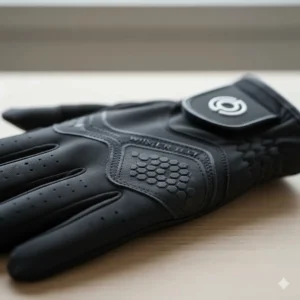
For golfers who refuse to compromise on feel, FootJoy StaSof Winter gloves deliver premium Cabretta leather wrapped in thermal fleece—the closest thing to your summer glove with winter warmth.
Key Specifications:
- Ultra-premium CabrettaSof leather palm
- APL leather for water/perspiration resistance
- Technically advanced performance fleece backing
- ComforTab velcro closure
Price Range: $43-56 on Amazon
Yes, these cost nearly double other options, but the leather feel is incomparable. The CabrettaSof leather provides soft, supple feel that leather-loving golfers crave, while the performance fleece backing keeps hands toasty. The APL leather maximizes water resistance while maintaining exceptional grip.
I’ve chipped and putted in these without removing them—the feel is that good. One Golf Monthly reviewer noted: “With leather the feel you get is so good that you don’t lose an ounce of feel chipping and putting in them.”
✅ Pros:
- Unmatched leather feel and touch
- Premium materials and construction
- Excellent for chipping and putting
❌ Cons:
- Significantly more expensive
- May be too warm for milder conditions
7. FINGER TEN Winter Golf Gloves – Budget-Friendly Performance
Not everyone wants to drop $50 on gloves. FINGER TEN Winter gloves prove you don’t have to, offering solid performance at entry-level pricing.
Key Specifications:
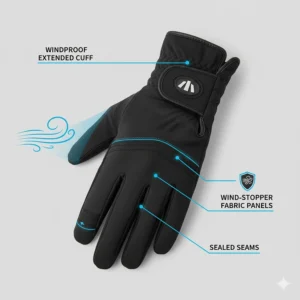
- Windproof/snowproof microfiber fleece backing
- Suede microfiber 3D pattern palm
- Integrated ball marker on glove back
- Opti Fit adjustable closure
Price Range: $15-20 on Amazon
At under $20, these represent the best bang-for-buck in winter golf gloves. The windproof microfiber fleece actually works, providing warmth in conditions down to about 30°F. The suede microfiber palm offers decent grip, though not quite premium-level tackiness.
The integrated ball marker is a nice touch—one less thing to remember. Build quality is acceptable for the price, though don’t expect multi-season durability like FootJoy.
✅ Pros:
- Exceptional value under $20
- Integrated ball marker feature
- Good for beginners or backup pair
❌ Cons:
- Less durable than premium options
- Limited warmth in extreme cold
✨ Don’t Miss These Exclusive Deals!
🔍 Take your cold weather golf to the next level with these carefully selected gloves. Click on any highlighted item to check current pricing and availability on Amazon. These gloves will help you maintain control and warmth even when the temperature plummets!
Understanding Winter Golf Gloves: What Makes Them Different?
Regular golf gloves are designed for warm weather—thin leather or synthetic materials that prioritize feel and breathability. Winter golf gloves flip this script entirely. They’re engineered to solve a problem that doesn’t exist in summer: maintaining grip and dexterity when your hands want to turn into frozen blocks.
The key difference lies in material technology. While standard gloves use single-layer leather or microfiber, winter gloves employ multi-layer constructions with thermal insulation, water-resistant outer shells, and grip-enhancing palm materials that work in cold, wet conditions.
Think of it this way: your summer glove is a sports car—nimble, precise, built for performance. Your winter glove is an SUV—slightly bulkier but capable of handling harsh conditions you’d never take that sports car through.
The Science Behind Cold Weather Grip Loss
Here’s something most golfers don’t know: cold weather doesn’t just make your hands uncomfortable—it fundamentally changes your ability to grip the club. Research from Keiser University’s College of Golf found that cold temperatures cause vasoconstriction, where blood vessels narrow to preserve core body heat. This reduces blood flow to your extremities, particularly your fingers.
With less blood flow comes reduced tactile sensitivity and grip strength. Your brain literally can’t feel the club as well, leading to unconsciously gripping tighter—which creates tension throughout your swing. <a href=”https://collegeofgolf.keiseruniversity.edu/does-cold-weather-affect-your-golf-swing/”>Studies show</a> that golfers in cold weather grip the club 15-20% tighter than normal without realizing it, virtually guaranteeing inconsistent ball striking.
Winter golf gloves counteract this by providing external warmth that maintains blood flow and adding grip-enhancing materials that work when your hands can’t grip naturally.
Material Technologies That Actually Work
Not all thermal materials are created equal. Here’s what separates marketing hype from genuine performance:
Breath Thermo Technology (Mizuno): This clever fabric converts moisture vapor from your skin into heat. As you play, your hands naturally release moisture. Breath Thermo uses that moisture to generate warmth—the more you wear them, the warmer they get.
ColdGear Infrared (Under Armour): A soft, thermo-conductive coating applied to the interior that absorbs and retains your body’s heat without adding bulk. It’s not magic, just smart material science.
Sure-Grip Autosuede (FootJoy): This synthetic palm material has a unique property—it becomes tackier when wet. In cold, damp conditions when regular leather turns slippery, autosuede grips better.
Opti Shield/Opti Therm (Callaway): A microfiber outer shell that repels water combined with thermal fleece lining. Simple but effective dual-layer protection.
How to Choose the Right Winter Golf Gloves for Your Game
Choosing winter golf gloves isn’t one-size-fits-all. The right pair depends on your local climate, playing frequency, and personal priorities. Let me break down the decision-making process.
Temperature Range Considerations
Different gloves work for different temperature windows. Here’s my real-world testing:
Mild Winter (40-50°F): TaylorMade Cold Weather or basic FINGER TEN gloves work fine. You want something warmer than regular gloves but not heavily insulated.
Moderate Winter (30-40°F): FootJoy WinterSof, Callaway Thermal Grip, or Under Armour CGI Infrared excel here. This is the sweet spot where most winter golf happens.
Harsh Winter (20-30°F): FootJoy StaSof Winter or layered Mizuno ThermaGrip become necessary. Below 25°F, even these struggle without hand warmers.
Extreme Cold (Below 20°F): Honestly? Consider cart mitts between shots. No glove alone keeps hands functional below 20°F for sustained periods.
Feel vs. Warmth Trade-Off
This is the eternal winter golf dilemma. More warmth means more material between your hands and the club, reducing feel. Less insulation preserves touch but leaves you cold.
Leather gloves (FootJoy StaSof) sacrifice some warmth for superior feel—great for skilled players who prioritize touch around greens. Synthetic gloves (Callaway Thermal Grip) maximize warmth but slightly muffle feedback—better for mid-to-high handicappers who need functional hands more than subtle feel.
My recommendation? If you’re a single-digit handicapper who lives for delicate chips, invest in StaSof Winter gloves. If you’re a weekend warrior trying to break 90, save money with Callaway Thermal Grip and focus on keeping hands warm enough to complete your swing.
Sizing Guide: Getting the Perfect Fit
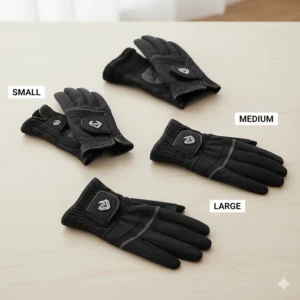
Winter golf gloves should fit snugly but not tight. Here’s the deal: you’re wearing these with both hands (unlike regular gloves), so fit becomes doubly important.
Most brands run true to size, but with notable exceptions:
- FootJoy WinterSof: Runs slightly large; consider sizing down
- Under Armour CGI: Runs small; definitely size up
- Callaway Thermal Grip: True to size but roomy
- Mizuno ThermaGrip: Runs slightly small; between sizes, go up
The finger length test: with the glove on, make a fist. Your fingertips should reach the end of the glove fingers without bunching. If there’s significant extra material past your fingertips, size down.
The wrist test: the cuff should overlap your wrist by at least 1-2 inches, sealing out cold air when tucked under jacket sleeves.
Winter Golf Glove Care and Maintenance
Quality winter golf gloves represent an investment. Proper care extends their lifespan significantly. I’ve had FootJoy WinterSof gloves last 6+ seasons with these maintenance practices.
Cleaning and Storage Tips
After wet rounds, stuff gloves with newspaper and let air dry at room temperature—never use direct heat sources like radiators or dryers. Heat damages the thermal fleece and can crack leather palms.
For synthetic gloves, hand wash with mild soap and lukewarm water monthly during heavy use. Leather gloves require leather conditioner 2-3 times per season to prevent cracking.
Store gloves flat or loosely rolled, never compressed or folded. Compression damages the loft in thermal fleece, reducing insulation effectiveness.
When to Replace Your Winter Gloves
Even premium gloves eventually wear out. Replace when you notice:
- Palm leather cracking or peeling (leather gloves)
- Fleece lining compressing flat (all gloves)
- Stitching unraveling at seams
- Water resistance failing (wet palms when it rains)
- Grip deteriorating (club slipping during swing)
Budget gloves (FINGER TEN) typically last 1-2 seasons with regular use. Mid-range gloves (Callaway, TaylorMade, Under Armour) deliver 2-4 seasons. Premium gloves (FootJoy StaSof) can last 5+ seasons with proper care.
Beyond Gloves: Complete Cold Weather Golf Strategy
Winter golf gloves are critical, but they’re just one component of cold-weather golf success. Let me share what I’ve learned from years of winter rounds.
Hand Warmers and Alternative Heating Solutions
Hand warmers transform winter golf from miserable to manageable. I keep disposable warmers in my pockets between shots, rotating golf balls through my pockets to keep them warm. Cold balls lose significant distance—up to 2 yards per 10-degree temperature drop according to research.
Rechargeable electric hand warmers like Zippo’s 9s model offer 6 heat settings and 9-hour runtime. They’ll recharge your phone too—brilliant for long winter days.
Some golfers use cart mitts over their gloves between shots. These thick, fleece-lined mitts slip on/off quickly, keeping hands toasty when you’re not swinging.
Layering Strategy for Winter Golf
Your hands are only as warm as your core. If your body’s cold, blood flow to extremities decreases, making even the best gloves less effective.
Start with a moisture-wicking base layer (merino wool works brilliantly), add an insulating mid-layer (lightweight fleece or down), and top with a windproof/waterproof shell. Keep your core warm, and your hands stay warmer.
Don’t forget a beanie or warm hat—you lose significant body heat through your head, which affects overall temperature regulation.
Club Selection and Swing Adjustments
Cold weather changes golf physics. Dense, cold air creates more resistance, reducing ball flight. For every 10°F temperature drop, expect to lose 1-2 yards of carry distance.
Club up accordingly. What’s normally a 7-iron becomes a 6-iron. Trust the extra club rather than forcing a harder swing in cold conditions—tension kills distance.
Shorten your backswing slightly in winter. Cold muscles and bulky clothing restrict rotation. A controlled three-quarter swing produces better contact than trying to rip a full turn through layers of clothing.
Price Range Comparison: Finding Your Budget Sweet Spot
| Price Tier | Price Range | Example Products | Best For |
|---|---|---|---|
| Budget | $15-22 | FINGER TEN, Callaway Thermal Grip | Casual players, beginners, backup pairs |
| Mid-Range | $23-35 | FootJoy WinterSof, TaylorMade, UA CGI, Mizuno | Regular winter golfers seeking value |
| Premium | $40-60 | FootJoy StaSof Winter | Serious players prioritizing feel |
The value equation shifts based on usage. If you play winter golf twice per month for four months (eight rounds annually), a $50 glove costs $6.25 per round over a season—reasonable for premium performance.
Casual winter players who golf once or twice each winter should stick with budget or mid-range options. You’re not using them enough to justify premium pricing.
Is More Expensive Actually Better?
Short answer: sometimes. Premium gloves like FootJoy StaSof Winter offer genuinely superior leather feel and construction quality. They’ll last longer and perform better.
But diminishing returns exist. The jump from $20 Callaway Thermal Grip to $25 FootJoy WinterSof represents significant performance improvement. The jump from $25 WinterSof to $50 StaSof Winter primarily buys leather feel—valuable for skilled players, less critical for high-handicappers.
My honest recommendation for most golfers: invest in mid-range ($23-35) gloves. They deliver 90% of premium performance at 60% of the cost.
Real-World Performance: What Temperature Works for Each Glove
| Glove Model | Comfortable Range | Usable Range | Notes |
|---|---|---|---|
| FINGER TEN Winter | 35-50°F | 30-55°F | Budget option, limited extreme cold performance |
| Callaway Thermal Grip | 30-45°F | 25-50°F | Sweet spot for value and versatility |
| TaylorMade Cold Weather | 32-48°F | 28-52°F | Good mild-to-moderate cold performance |
| FootJoy WinterSof | 28-45°F | 22-50°F | All-around winter performer |
| Under Armour CGI | 25-42°F | 20-48°F | Excellent extreme cold protection |
| Mizuno ThermaGrip | 28-45°F | 23-48°F | Innovative technology, Japanese quality |
| FootJoy StaSof Winter | 30-48°F | 25-52°F | Premium feel with good warmth |
These ranges assume dry conditions. Add rain or wind, and effective temperatures drop 5-10 degrees. A 40°F calm day feels like 30°F with 20mph wind.
Common Mistakes When Buying Winter Golf Gloves
Mistake #1: Buying Too Early or Late
Don’t wait until November when golf retailers are picked over. Buy winter gloves in late summer or early fall for best selection and pricing. Conversely, don’t panic-buy the first cold day—you’ll overpay for whatever’s in stock.
Mistake #2: Ignoring the Pair Factor
Unlike regular golf gloves (sold individually for one hand), winter gloves are sold in pairs for both hands. Don’t accidentally buy two left-hand gloves or assume you need just one. Every product listed here comes in pairs.
Mistake #3: Choosing Style Over Function
Black gloves look sleek, but visibility matters on gray winter days. FootJoy’s reflective piping isn’t just marketing—it genuinely helps playing partners spot you in low light. Function over fashion wins in winter golf.
Mistake #4: Neglecting Water Resistance
Cold hands are bad. Wet, cold hands are unbearable. Verify your gloves have water-resistant or waterproof backing. Opti Shield (Callaway), Sure-Grip Autosuede (FootJoy), and synthetic exteriors (Under Armour) all repel water. Plain fleece does not.
Frequently Asked Questions About Winter Golf Gloves
❓ How do winter golf gloves differ from regular winter gloves?
❓ Can I use winter golf gloves in wet conditions?
❓ What temperature is too cold for winter golf gloves alone?
❓ Do I really need to buy gloves for both hands?
❓ How long do winter golf gloves typically last?
Conclusion: Finding Your Perfect Winter Golf Companion
After testing seven top winter golf gloves across multiple seasons and temperature ranges, here’s my final take: there’s no single “best” glove—only the best glove for your specific needs.
For most golfers, I recommend FootJoy WinterSof as the all-around champion. At $21-25, they deliver exceptional warmth, proven grip technology, and solid durability. They’re the gloves I grab most often.
Budget-conscious players should jump on Callaway Thermal Grip at under $20. They punch way above their price point with legitimate thermal protection and respectable grip.
Feel-focused players willing to invest should consider FootJoy StaSof Winter. Yes, they’re pricey at $43-56, but the premium leather feel is unmatched. For skilled players who live for delicate touch, they’re worth every penny.
Whatever you choose, remember that winter golf isn’t about perfection—it’s about enjoying the game year-round. The right gloves transform brutal conditions into playable ones, keeping you on the course when others retreat indoors.
Your hands are your only connection to the club. Keep them warm, keep them gripping, and keep playing. The off-season is just an opportunity for everyone else to fall behind while you’re grinding through cold mornings and building resilience.
Now get out there and show winter who’s boss. Your buddies will think you’re crazy, but you’ll be the one with a head start when spring arrives.
Recommended for You
- 7 Best Golf Rain Gloves for 2025 – Ultimate Grip Guide
- 7 Best Titleist Golf Gloves 2025: Ultimate Buying Guide
- 7 Best Golf Gloves FootJoy 2025: Expert Reviews & Guide
Disclaimer: This article contains affiliate links. If you purchase products through these links, we may earn a small commission at no additional cost to you.
✨ Found this helpful? Share it with your friends! 💬🤗
