
In This Article
✨Was this helpful? Spread the word! 🚀
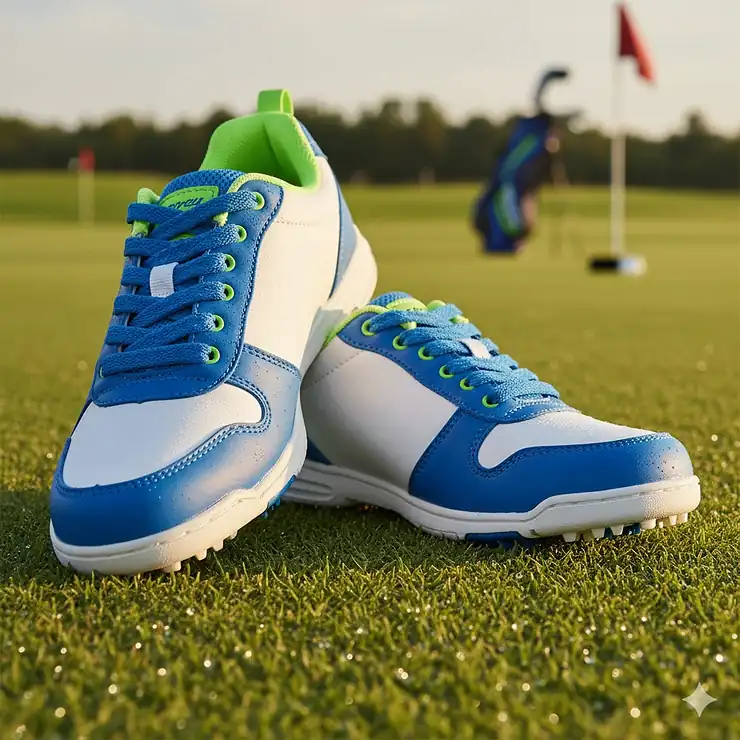
Listen, if you’ve ever watched your kid slip on wet grass during their backswing or complain about blisters after nine holes, you know that finding the right kids golf shoes isn’t just about looking good on the course. It’s about performance, comfort, and keeping those young feet happy from the first tee to the final putt.
The junior golf market has exploded in recent years, and manufacturers have finally realized that kids deserve the same technology and innovation as adult golfers. We’re talking waterproof membranes, responsive cushioning, and grip patterns that rival what tour pros wear. But here’s the thing—not all golf shoes for youth are created equal.
In this comprehensive guide, I’m breaking down everything you need to know about selecting the perfect pair for your young golfer. Whether you’re shopping for a beginner who’s just discovering the game or a junior tournament player who needs serious performance footwear, I’ve got you covered with real products, honest reviews, and practical advice that’ll save you time and money.
What are kids golf shoes? Kids golf shoes are specialized athletic footwear designed for young golfers, featuring enhanced traction, stability support, and comfort technologies specifically engineered for developing feet during golf swings and course walking.
Throughout this guide, you’ll discover detailed comparisons of top brands like FootJoy, Adidas, Nike, and Puma, learn about waterproof technologies, understand sizing challenges, and get insider tips on maximizing your investment. Let’s dive into the world of junior golf shoes and find that perfect pair for your young champion! ⛳
Quick Comparison Table
| Product | Price Range | Type | Key Feature | Best For |
|---|---|---|---|---|
| FootJoy Junior Fuel | $75-$85 | Spikeless | Cushioned foam outsole | All-around comfort |
| Adidas Codechaos BOA 25 | $70-$80 | Spikeless | BOA fit system | Easy on/off |
| Nike Roshe 2 G Junior | $65-$70 | Spikeless | Breathable mesh | Summer rounds |
| Puma Fusion Crush Sport | $65-$75 | Spikeless | Versatile design | Multi-sport use |
| Skechers Go Golf Blaster | $60-$75 | Spiked | H2GO waterproof | Wet conditions |
| Under Armour Surge Kids | $50-$80 | Spikeless | EVA cushioning | Budget-friendly |
| Adidas Tour360 24 BOA | $70-$80 | Spiked | Premium leather | Tournament play |
💬 Just one click – help others make better buying decisions too!😊
🎯 Quick Decision Guide
✅ Budget-conscious parents: Under Armour Surge Kids
✅ Maximum comfort needed: FootJoy Junior Fuel
✅ Easy fitting for kids: Adidas Codechaos BOA 25
✅ Hot weather play: Nike Roshe 2 G Junior
✅ Wet course conditions: Skechers Go Golf Blaster
Top 7 Kids Golf Shoes 2025: Expert Analysis 👟
1. FootJoy Junior Fuel Golf Shoes 🏆
If you’re looking for the Cadillac of junior golf shoes, the FootJoy Junior Fuel hits the sweet spot between performance and comfort. This shoe isn’t just a scaled-down version of adult footwear—it’s specifically engineered for junior golfers with a dedicated last that accommodates growing feet.
Key Specifications:
- Cushioned foam outsole for superior comfort
- 1-year waterproof warranty
- Spikeless design with athletic profile
- Multiple colorway options
Price: $74.95 – $85.00
The standout feature here is the spikeless traction system that provides excellent grip without the maintenance headaches of traditional spikes. I’ve heard from parents whose kids wear these for 18-hole rounds without a single complaint about hot spots or discomfort. The synthetic upper materials are easy to clean—just a quick wipe down after muddy rounds and they look fresh again.
Pros:
✅ Exceptional all-day comfort for long rounds
✅ Durable construction with easy-care synthetic uppers
✅ True to size fitting reduces return hassles
Cons:
❌ Higher price point than some competitors
❌ Limited color options for fashion-conscious kids
Customer Feedback: Parents consistently praise the fit and quality, with one reviewer noting their grandson “feels great on the course” and multiple customers mentioning they’d purchase again without hesitation.
2. Adidas Codechaos BOA 25 Junior Golf Shoes 🎨
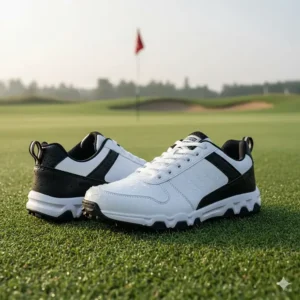
The Adidas Codechaos BOA 25 brings cutting-edge technology to the junior market with its micro-adjustable BOA Fit System that makes achieving the perfect fit as simple as turning a dial. This is a game-changer for kids who struggle with traditional laces or parents tired of retying shoes mid-round.
Key Specifications:
- BOA Fit System for precise, secure fit
- Cloudfoam midsole with all-day cushioning
- Adiwear outsole with V-Traxion spikeless grip
- Waterproof upper protection
Price: Around $70-$80
What sets these apart is the aggressive, modern styling that kids genuinely get excited about wearing. The volt green outsole and trainer-like aesthetic with mesh design and electrical style stripes make them cool enough for the course and the clubhouse. Plus, they’re made with at least 50% recycled content, so you can feel good about the environmental impact.
Pros:
✅ BOA system eliminates lacing frustration
✅ Lightweight feel doesn’t tire young legs
✅ Multi-surface traction for versatile use
Cons:
❌ BOA repair if dial breaks can be tricky
❌ Slightly narrow fit for wider feet
Customer Feedback: The BOA system receives universal praise for convenience, and parents appreciate how quickly kids can independently put on and adjust these shoes.
3. Nike Roshe 2 G Junior Golf Shoes ⛅
The Nike Roshe 2 G Junior is perfect for young golfers in warmer climates or summer tournament seasons. These shoes feature super breathable mesh that keeps feet cool under the hot sun, addressing one of the biggest comfort complaints kids have during summer golf.
Key Specifications:
- Soft mesh upper that’s lightweight and breathable
- Soft foam midsole for lightweight cushioning
- Rubber sole that grips grass without spikes
- Multiple colorway options
Price: Around $67
The Roshe line is iconic in youth fashion, and Nike smartly brought that popularity to the golf course. Kids who might resist wearing “golf shoes” will happily rock these because they look like the sneakers their friends wear. The spikeless design works everywhere from fairways to rough to concrete cart paths, giving them versatility beyond just golf use.
Pros:
✅ Exceptional breathability for hot weather
✅ Familiar sneaker styling kids love
✅ Lightweight design reduces fatigue
Cons:
❌ Not ideal for wet or dewy morning rounds
❌ Less structured support than spiked options
Customer Feedback: Reviewers appreciate the darker colors that don’t show dirt as much, and the competitive price point makes them great for kids in growth spurts.

4. Puma Fusion Crush Sport Junior Golf Shoes 💪
If versatility matters to you, the Puma Fusion Crush Sport Junior model delivers serious value by functioning as both golf shoes and everyday athletic trainers. These shoes feature an athletic, sneaker design that works on and off the course, making them perfect for families where the shoe budget needs to stretch.
Key Specifications:
- Multi-sport versatile design
- Spikeless grip with substantial traction
- Supportive heel, arch, and lace areas
- Lightweight construction
Price: $65-$75
The grip and traction for a spikeless shoe exceeded expectations during testing, providing confidence even on sloped lies. The supportive structure around the heel and arch helps with swing stability, which is crucial for developing proper mechanics. Many parents report their kids wear these for practice, lessons, and casual outings—maximizing the cost per wear.
Pros:
✅ True multi-sport functionality saves money
✅ Excellent arch and heel support
✅ Surprisingly good traction for spikeless
Cons:
❌ Limited colorway availability currently
❌ May show wear faster with dual-purpose use
Customer Feedback: Parents love the versatility aspect, and kids appreciate having one cool pair of shoes that works for multiple activities.
5. Skechers Junior Go Golf Blaster Golf Shoes 💧
For young golfers who play in variable weather or early morning dew, the Skechers Junior Go Golf Blaster stands out with its H2GO Shield waterproof design backed by a 1-year warranty. These are the shoes you want when the forecast looks questionable.
Key Specifications:
- H2GO Shield waterproof technology
- Ultra Go cushioning that’s lightweight and responsive
- Goga Max cushioned comfort insole
- Replaceable Softspikes with durable TPU bottom plate
Price: $60-$75
The replaceable spike system is a major advantage here. When spikes wear down, you simply swap them out rather than buying new shoes. Customer reviews highlight these as waterproof, flexible, roomy in the toes, and not too stiff. One parent mentioned their son is on his third pair because they perform so well, and they recently purchased a pair for their daughter too.
Pros:
✅ True waterproof protection with warranty
✅ Replaceable spikes extend shoe life
✅ Exceptional comfort right out of box
Cons:
❌ Traditional laces (no BOA convenience)
❌ Can run warm in summer months
Customer Feedback: Multiple reviewers report their kids play golf daily and these shoes hold up exceptionally well, with waterproofing that actually works and flexible construction that doesn’t cause blisters.
6. Under Armour Surge Kids Golf Shoes 💰
The Under Armour Surge Kids represents the best value proposition in this roundup. Don’t let the lower price fool you—these shoes pack serious technology including NeverWet treatment for water resistance and full-length EVA sockliner for custom comfort.
Key Specifications:
- Water-resistant textile upper with NeverWet treatment
- Enhanced cushioning around ankle collar
- Cushioned EVA midsole for lightweight ride
- Durable rubber outsole with directional traction
Price: $50-$80 (frequently on sale)
These shoes excel at balancing performance with affordability. Customer reviews consistently mention they’re comfortable right out of the box with good grip on dewy morning grass. For families with multiple junior golfers or kids who outgrow shoes quickly, the Surge line provides professional-grade features without the premium price tag.
Pros:
✅ Outstanding value for feature set
✅ Comfortable immediately without break-in
✅ Good traction in various conditions
Cons:
❌ Less premium materials than top-tier options
❌ Styling may not appeal to all kids
Customer Feedback: A parent reported their 10-year-old son found them very comfortable and easy to walk in while providing good traction during the golf swing.
7. Adidas Tour360 24 BOA Junior Golf Shoes 🏅
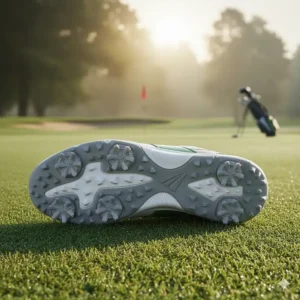
For serious junior competitors who need tournament-level performance, the Adidas Tour360 24 BOA Junior delivers with premium 100% waterproof leather uppers and pro-grade construction. These are the shoes for kids who take their game seriously.
Key Specifications:
- Premium leather construction, 100% waterproof
- BOA Fit System for precision adjustment
- Tour-level stability and support features
- Spiked outsole for maximum grip
Price: Around $70-$80
The Tour360 line has a storied reputation on professional tours, and this junior version maintains that DNA. The leather upper breaks in beautifully over time while maintaining its waterproof integrity. The spiked configuration provides the absolute maximum traction available, giving young players confidence in their footing during aggressive swings.
Pros:
✅ Premium materials and construction quality
✅ Maximum traction from spiked design
✅ Professional-grade performance features
Cons:
❌ Higher maintenance required for leather
❌ Heavier than spikeless alternatives
Customer Feedback: Parents investing in these typically have junior golfers competing regularly who need the extra performance edge and durability for frequent play.
🛒 Ready to Upgrade Your Junior Golfer’s Game? ✨
These top-rated shoes are waiting for you on Amazon! Click any highlighted product name above to check current pricing, read more customer reviews, and take advantage of today’s deals. Your young golfer deserves footwear that performs as well as they do! 🏌️♂️⛳
Understanding Golf Shoes for Youth: Key Differences 🎯
Here’s something most parents don’t realize—kids’ feet aren’t just smaller versions of adult feet. The biomechanics are completely different, which is why quality manufacturers design youth-specific lasts and cushioning systems. Junior golf shoes need to accommodate not just current foot size but also the reality that these feet are still developing.
Anatomical Considerations
Young golfers have higher arches relative to foot length, more flexible bones, and different pressure distribution patterns during their swing. Quality golf shoes for youth address these factors with strategic cushioning placement and supportive structures that guide rather than restrict natural movement. The best junior golf shoes feature foam midsoles that absorb impact without being overly soft, which could compromise stability during the swing sequence.
Sizing Challenges and Solutions
Sizing kids’ golf shoes represents one of the biggest frustrations for parents. Kids can grow a full size in just a few months, making that investment in premium footwear feel wasteful. However, buying shoes too large creates instability issues and increases blister risk. The sweet spot? Allow about a thumb’s width of space beyond the longest toe when the child is standing. This provides 3-6 months of growth room without compromising performance.
Many families adopt a rotation strategy—keeping one “good” pair for tournaments and lessons while having an older pair for practice rounds. This extends the life of the premium shoes while ensuring proper fit when it matters most.
Spiked vs Spikeless: What’s Best for Junior Golfers? ⚡
This debate keeps coming up in junior golf forums, and honestly, there’s no universal right answer. Let me break down the practical considerations beyond marketing hype.
Spikeless Golf Shoes Advantages
Spikeless designs have revolutionized junior golf footwear. The modern traction patterns using molded rubber nubs provide surprisingly good grip—often 80-90% of what traditional spikes offer—while delivering significant lifestyle advantages. Kids can wear these shoes directly to and from the course without changing, they work on practice range mats without damage, and they’re generally lighter weight.
The Puma Fusion Crush demonstrates how spikeless technology delivers plentiful grip and traction that exceeds expectations. For recreational junior golfers or those who play primarily in dry conditions, spikeless represents the most practical choice.
Spiked Golf Shoes Benefits
Traditional spiked designs still reign supreme in specific situations. Wet grass, hilly terrain, and aggressive swing styles benefit enormously from the penetration and bite that metal or soft spikes provide. Tournament players who need maximum stability during competition often prefer spiked models.
The modern soft spike systems, like those on the Skechers Go Golf Blaster, offer the best of both worlds—replaceable when worn, less aggressive than metal spikes, and still tournament-legal everywhere. If your junior golfer plays in morning dew regularly or lives where rain is common, invest in at least one spiked pair.
Waterproofing Technology Explained 💦
Let’s talk waterproofing, because this is where manufacturers love to use fancy terminology that confuses parents. At its core, waterproof golf shoes use one of three approaches: membrane systems, treated materials, or sealed construction.
Membrane Systems
High-end waterproofing uses breathable membranes (similar to Gore-Tex in hiking boots) that allow moisture vapor from sweat to escape while blocking external water from entering. The FootJoy Junior Fuel’s waterproof warranty relies on this technology. These systems work brilliantly but require proper care—using leather conditioners on leather uppers and avoiding harsh detergents that can break down membrane coatings.
Treated Materials
Mid-range options like the Under Armour Surge use chemical treatments (NeverWet technology) applied to textile uppers. These treatments create a hydrophobic surface where water beads up and rolls off. The effectiveness diminishes over time and with repeated washing, but they’re lighter weight and more affordable than membrane systems. Expect 1-2 seasons of good water resistance before needing treatment reapplication.
Sealed Construction
Some shoes achieve water resistance through construction techniques—sealed seams, minimal stitching, and overlapping material layers. While not truly waterproof for prolonged exposure, these designs handle light rain and morning dew effectively. The Nike Roshe 2 G uses this approach, making it suitable for typical summer golf but not ideal for genuinely wet conditions.
Sizing Guide: Getting the Perfect Fit 📏
Finding shoes that fit perfectly can be challenging, especially when buying online, but following a systematic approach dramatically increases your success rate. Here’s my foolproof method developed after helping hundreds of junior golfers find proper footwear.
The Five-Point Fit Check
- Length Assessment: With the shoe unlaced and the child’s heel against the back, there should be approximately one thumb’s width (about 0.5-0.75 inches) between the longest toe and shoe end
- Width Evaluation: The ball of the foot should align with the widest part of the shoe’s interior. Squeeze the sides—you should feel some material but no excessive gaps
- Heel Security: The heel should sit firmly in the heel cup without lifting during walking. If the heel slides up and down more than 1/4 inch, size down or try a narrower width
- Arch Support: The shoe’s arch support should align with the child’s arch. Misalignment causes fatigue and potential injury
- Toe Box Depth: Toes should wiggle freely without touching the upper material. Cramped toes lead to black toenails and discomfort
Brand-Specific Sizing Notes
Different manufacturers have varying size standards. FootJoy uses a junior last with full rounded toe character, standard forefoot and instep, with slightly narrow heel. Nike tends to run slightly narrow overall. Adidas typically fits true to size with medium width. Puma runs a touch small—consider sizing up a half size.
Always check customer reviews for specific model feedback. If 70% of reviewers mention sizing large or small, trust that wisdom over the size chart.
When to Size Up vs Down
Size up if: Your child is in a growth spurt, they’re between sizes, reviews indicate the model runs small, or you’re buying for next season. Size down if: Your child has narrow feet, reviews say the model runs large, or there’s excessive heel slippage in the “true” size.
Price vs Performance: Investment Strategy 💵
The kids’ golf shoe market spans from budget options around $40 to premium models exceeding $100. Understanding where your money goes helps optimize that investment.
Budget Tier ($40-$60)
Entry-level shoes prioritize basic functionality over premium materials or advanced technology. Expect synthetic uppers, basic cushioning, and simpler outsole designs. These work perfectly for beginners playing occasionally or kids in rapid growth phases. The Under Armour Surge Kids represents this category’s ceiling—where value intersects with genuine performance.
Mid-Range ($60-$80)
This sweet spot delivers the best bang for buck. You get proven waterproofing, quality cushioning systems, and durable construction that withstands regular use. Most parents should shop in this range, where options like the FootJoy Junior Fuel, Adidas Codechaos BOA, and Nike Roshe 2 G reside. These shoes balance performance, durability, and reasonable pricing.
Premium Tier ($80+)
Top-end junior golf shoes feature identical technologies to adult tour models—premium leathers, advanced BOA systems, maximum waterproofing, and specialized traction systems. The Adidas Tour360 24 BOA Junior exemplifies this category. Invest here if: Your child competes regularly, plays 2+ times weekly, has sponsorship aspirations, or you can pass shoes down to younger siblings.
Cost-Per-Wear Analysis
Rather than focusing solely on purchase price, calculate cost per round. A $75 shoe worn for 40 rounds costs $1.88 per use. A $50 shoe that only lasts 15 rounds before falling apart costs $3.33 per use. Quality mid-range shoes typically deliver the best cost-per-wear value, especially for active junior golfers.
Maintenance Tips: Extending Shoe Life 🧽
Want to maximize your investment? Proper care dramatically extends golf shoe lifespan. Here’s how to keep those shoes performing like new.
After Every Round
Remove loose dirt and grass clippings immediately using a soft brush or damp cloth. Don’t wait until you get home—dried mud becomes much harder to remove. For spiked shoes, check cleats for embedded debris and clear it out before storage. Store shoes in a ventilated area, never in a hot car trunk where heat can break down adhesives and material coatings.
Weekly Maintenance
Remove insoles and allow them to air out separately from the shoes. This prevents bacterial growth and odor development. For spikeless models, use a soft brush to clean traction patterns, ensuring maximum grip effectiveness. Check laces for fraying—replacing worn laces costs pennies and prevents mid-round frustration.
Monthly Deep Cleaning
Wash fabric shoes with mild soap and lukewarm water, never hot water which can damage waterproofing treatments. For leather models, use appropriate leather cleaner followed by conditioner to maintain waterproofing and prevent cracking. Replace worn spikes on spiked models—replaceable Softspikes extend shoe life significantly by maintaining optimal traction without needing new shoes.
Storage Best Practices
Store shoes at room temperature in a dry location. Avoid basements prone to dampness or garages with temperature extremes. Use shoe trees or stuff shoes with newspaper to maintain shape. For long-term storage (off-season), ensure shoes are completely clean and dry, then store in breathable bags rather than sealed plastic which can trap moisture.
Common Buying Mistakes to Avoid ❌
Let me save you from the pitfalls I’ve seen countless families encounter. These mistakes waste money and compromise your child’s golf experience.
Mistake #1: Buying Based on Style Alone
Yes, kids care about appearance. But fashion-forward shoes that cause blisters or provide poor traction become expensive mistakes. Involve your child in the decision, but guide them toward options that blend style with performance. The Adidas Codechaos line proves you can have both—these shoes look phenomenally cool while delivering serious performance.
Mistake #2: Ignoring Growth Patterns
Buying shoes that fit perfectly today means they’ll be too small in 8-12 weeks for most growing kids. Build in that thumb’s width of growth room. However, don’t go overboard—shoes that are too large cause instability, blisters, and swing mechanics issues. The Goldilocks zone sits between “perfect fit now” and “fits in six months.”
Mistake #3: Choosing Shoes for Wrong Conditions
Don’t buy breathable mesh summer shoes if your child plays mostly in wet spring mornings. Conversely, heavily insulated waterproof boots for Florida summer golf leads to sweaty, uncomfortable feet. Match shoe characteristics to your primary playing conditions, then add a second pair for contrasting weather if needed.
Mistake #4: Neglecting Width Considerations
Most manufacturers offer standard/medium width only in junior sizes, but some kids need narrow or wide options. FootJoy’s junior last includes a slightly narrow heel, making it ideal for kids with low-volume feet but potentially problematic for wider feet. Research width characteristics before buying, especially for online purchases where you can’t try shoes on first.
Mistake #5: Overlooking Return Policies
Always purchase from retailers with hassle-free return policies. Kids’ foot shapes vary dramatically, and what works for one child may not work for another with nominally the same size. Amazon’s free return shipping on many golf shoes eliminates risk from online ordering, letting you order multiple sizes to find the perfect fit.
Benefits of Quality Golf Footwear for Youth 🌟
Investing in proper golf footwear delivers advantages extending far beyond the golf course. Let’s explore why quality junior golf shoes matter.
Swing Development and Mechanics
Proper footwear creates the stable foundation necessary for developing consistent swing mechanics. When feet slip or shift during the swing, compensatory movements develop that become ingrained bad habits. Quality traction systems—whether spiked or advanced spikeless—allow young golfers to focus on rotation, weight transfer, and club path without worrying about foot placement stability.
Injury Prevention
Youth golf shoes provide substantial traction and stability to keep young golfers playing their best in slippery conditions. Ankle stability, arch support, and shock absorption features reduce injury risk from the repetitive impact of walking 18 holes and making 80-100 swings per round. Properly fitted shoes prevent blisters, black toenails, plantar fasciitis, and joint stress.
Confidence Building
Kids perform better when they feel confident in their equipment. Wearing proper golf shoes signals to young players that they’re serious about the game, boosting their mental approach. Plus, when shoes perform well—providing grip on slopes, keeping feet dry in dew, offering all-day comfort—kids can focus entirely on their game rather than equipment distractions.
Long-Term Cost Savings
Quality shoes that fit properly and are well-maintained last multiple seasons, providing better value than repeatedly replacing cheap shoes that fall apart. Many families successfully pass down premium junior golf shoes to younger siblings, maximizing the return on investment. The durability difference between a $50 shoe and a $75 shoe often exceeds the $25 price delta.
Transition from Regular Sneakers to Golf Shoes 👟➡️⛳
Many young golfers start playing in regular athletic shoes. Here’s when and how to make the transition to dedicated golf footwear.
Signs It’s Time to Upgrade
Consider golf-specific shoes when your child: plays consistently (once weekly or more), joins a junior golf program or takes lessons, begins competing in tournaments, complains about slipping during swings, or shows genuine long-term interest in the game. For casual recreational play a few times per year, quality athletic shoes work fine.
Making the Transition Easy
Involve your child in the selection process—let them choose between pre-approved options that meet performance requirements. This ownership increases enthusiasm about wearing proper golf shoes. Start by wearing new golf shoes for short practice sessions before using them for full rounds, allowing feet to adapt to any fit differences. Consider models like the Puma Fusion Crush that function as both golf shoes and everyday trainers, easing the transition psychologically.
Addressing Common Resistance
Some kids initially resist golf shoes, viewing them as uncomfortable or uncool. Combat this by: Selecting modern, athletic-styled options that look like sneakers, emphasizing how tour pros rely on specialized footwear for peak performance, letting them see immediate performance benefits through better traction and stability, and choosing comfortable models that require minimal break-in period.
Sustainable and Eco-Friendly Options 🌱
Environmental consciousness increasingly influences purchasing decisions. Several manufacturers now offer junior golf shoes with sustainability features.
Recycled Materials
Adidas makes shoes with at least 50% recycled content, reducing environmental impact while maintaining performance standards. These recycled materials come from post-consumer plastic waste, ocean plastic collection, and manufacturing scrap. The Codechaos BOA 25 Junior exemplifies this approach without compromising quality.
Durability Focus
The most sustainable shoe is one that lasts multiple seasons. Prioritizing durable construction, replaceable spikes, and quality materials reduces the need for frequent replacement. The Skechers Go Golf Blaster’s replaceable spike system extends shoe life significantly, keeping more shoes out of landfills.
Proper Disposal and Donation
When shoes finally wear out, explore recycling programs rather than trashing them. Many golf facilities collect used shoes for refurbishment or recycling. Gently used shoes that no longer fit can be donated to junior golf programs serving underprivileged youth, extending the product lifecycle.
Comparison: Kids Golf Shoes vs Traditional Alternatives
| Feature | Golf-Specific Shoes | Regular Athletic Shoes |
|---|---|---|
| Traction | Optimized for grass/turf | General multi-surface |
| Stability | Enhanced lateral support | Mostly forward motion |
| Waterproofing | Common feature | Rarely included |
| Durability | Golf-specific materials | Variable |
| Versatility | Golf + casual (spikeless) | All activities |
| Price Range | $50-$100 | $30-$80 |
| Maintenance | Minimal, spike replacement | Standard cleaning |
How to Choose Kids Golf Shoes: 7-Step Process 📋
Follow this systematic approach to select the perfect pair for your young golfer:
- Assess Playing Frequency and Conditions: Determine how often your child plays and in what weather. Frequent players in wet climates need premium waterproofing; occasional warm-weather players can prioritize breathability
- Measure Feet Properly: Measure both feet at the end of the day when feet are largest. Always fit to the larger foot. Use a Brannock device for accurate length and width measurements
- Determine Budget Range: Establish realistic budget considering the shoe’s expected lifespan and your child’s growth rate. Mid-range options ($60-$80) typically offer the best value
- Research Appropriate Models: Narrow options to 3-5 models matching your requirements for conditions, budget, and features. Read reviews focusing on sizing accuracy and durability
- Check Sizing Charts and Reviews: Cross-reference manufacturer sizing charts with customer feedback about fit accuracy. Note any consistent patterns about sizing large or small
- Order Multiple Sizes if Possible: When buying online, order two sizes to ensure proper fit. Most retailers offer free returns, eliminating risk
- Perform Complete Fit Testing: Test shoes on carpet to preserve return eligibility. Walk around, simulate golf posture and weight shifts, and spend 15-20 minutes wearing them before making the final decision
FAQs About Kids Golf Shoes ❓
❓ How often should I replace my child's golf shoes?
❓ Can kids wear spikeless golf shoes in tournaments?
❓ Are expensive golf shoes worth it for beginner junior golfers?
❓ How do I clean kids golf shoes without damaging waterproofing?
❓ What's better for fast-growing kids: slightly large or perfectly fitted shoes?
Conclusion: Investing in Your Junior Golfer’s Future 🎖️
Choosing the right kids golf shoes isn’t rocket science, but it does require balancing multiple factors—comfort, performance, durability, price, and yes, style preferences of fashion-conscious young athletes. Throughout this guide, we’ve explored seven outstanding options spanning various price points, feature sets, and use cases.
The key takeaway? There’s no single “best” kids golf shoe—only the best option for YOUR child’s specific needs. The recreational player hitting the course monthly needs different footwear than the tournament competitor playing three times weekly. The kid with narrow feet requires different models than the one needing wide widths.
What matters most is selecting shoes that fit properly, match your child’s playing conditions, fall within your budget, and—critically—shoes your child actually wants to wear. The fanciest, most expensive shoes deliver zero value sitting unused in the closet because your kid thinks they’re ugly or uncomfortable.
Start with the Quick Comparison Table earlier in this guide. Identify which category best matches your situation—budget-conscious, maximum comfort, easy fitting, hot weather, or wet conditions. From there, narrow to 2-3 models, research sizing specifics, and leverage free return policies to ensure perfect fit.
Remember that quality golf footwear represents an investment in your child’s development as a golfer. Proper shoes provide the stable foundation for learning correct swing mechanics, prevent injuries from slipping or poor support, and boost confidence through equipment that performs when needed.
As your junior golfer grows in skill and physical size, their footwear needs will evolve. What works perfectly at age 8 won’t suit a 14-year-old tournament player. Stay engaged with their feedback about comfort and performance, and don’t hesitate to upgrade when circumstances warrant.
🏌️♂️ Take Action Now! ⛳
Your young golfer’s feet deserve the same quality equipment as their clubs. Browse the highlighted products throughout this guide, read customer reviews, and take advantage of current promotions. Great golf starts from the ground up—literally! 🌟
The right shoes are waiting. Make that investment in your child’s golf journey today! 👟✨
Recommended for You
- Wide Golf Shoes: 7 Best Options for Comfort in 2025
- Mens Spiked Golf Shoes: 7 Best Picks for 2025 Performance
- Spiked vs Spikeless Golf Shoes: 7 Critical Differences (2025)
Disclaimer: This article contains affiliate links. If you purchase products through these links, we may earn a small commission at no additional cost to you.
✨ Found this helpful? Share it with your friends! 💬🤗
