
In This Article
If you’ve been struggling with those tricky 180-200 yard shots from the fairway, you’re not alone. While most golfers obsess over their driver and putter, the best 7 wood might just be the secret weapon missing from your bag. This versatile club offers the perfect blend of distance and forgiveness that makes those long approach shots feel effortless rather than terrifying.
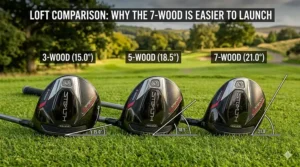
Think about it: when was the last time you confidently struck a 3-iron from 190 yards out? For most weekend golfers, that’s a recipe for frustration. A 7 wood, with its sweet spot the size of a small planet and a loft typically between 20-23 degrees, transforms those nerve-wracking moments into scoring opportunities. Tour players like Dustin Johnson and Xander Schauffele have already figured this out—DJ even carried one to his 2020 Masters victory.
The modern 7 wood isn’t just a beginner’s crutch; it’s a strategic choice backed by physics and performance data. The higher loft promotes easier launch compared to long irons or lower-numbered fairway woods, while the larger clubhead delivers forgiveness that hybrids simply can’t match. Whether you’re a senior golfer looking for easy launch wood options or a mid-handicapper seeking to replace those inconsistent long irons, understanding what makes a great 7 wood will revolutionize your long game.
In this comprehensive guide, I’ll walk you through everything you need to know about selecting the best 7 wood for your specific needs, from cutting-edge AI-designed faces to budget-friendly options that punch well above their weight class.
Quick Comparison Table
| 7 Wood Model | Loft | Price Range | Best For | Key Feature |
|---|---|---|---|---|
| TaylorMade Qi10 | 21° | $270-350 | All skill levels | Infinity Carbon Crown |
| Callaway Paradym AI Smoke Max | 21° | $270-350 | Consistent launch | AI Smart Face |
| Cobra Darkspeed Max | 21° | $250-330 | Draw-bias needed | Adjustable weights |
| Ping G430 Max | 21° | $290-350 | Maximum forgiveness | High MOI design |
| Cleveland Launcher Halo XL | 21° | $200-230 | Budget-conscious | MainFrame XL Face |
| Orlimar Escape | 21-23° | $70-120 | Beginners | Wide loft range |
| Lazrus Premium | 21° | $80-130 | Value seekers | Pro-quality budget |
💬 Just one click – help others make better buying decisions too! 😊
Top 7 Best 7 Wood Golf Clubs: Expert Analysis
1. TaylorMade Qi10 7 Wood – Best Overall Performance
The TaylorMade Qi10 represents the pinnacle of fairway wood engineering in 2026, delivering tour-proven performance that appeals to golfers across all skill levels. This club doesn’t just look good at address—it fundamentally changes how you approach long fairway shots.
Key Specifications:
- Loft: 21 degrees
- Clubhead Volume: 175cc
- Stock Length: 41.75 inches
- Price: $270-$350
The game-changing Infinity Carbon Crown redistributes weight low and deep in the clubhead, creating optimal launch conditions with minimal spin. Combined with the precision CG location, you’re looking at a fairway wood that launches high but lands soft—perfect for holding firm greens on long par 5s. The V Steel sole design, a TaylorMade classic, ensures clean turf interaction whether you’re on perfect fairway grass or light rough.
What really sets the Qi10 apart is the Thru-Slot Speed Pocket technology. This engineered slot flexes on low-face strikes, protecting ball speed even when you don’t catch it perfectly flush. Customer feedback consistently highlights how forgiving this club feels, with one reviewer noting, “the ball hardly goes anywhere but straight even on off-center hits.”
✅ Pros:
- Exceptional forgiveness across entire face
- High launch with penetrating ball flight
- Clean, confidence-inspiring look at address
❌ Cons:
- Premium price point
- Not available in highest lofts (stops at 24°)
Best for: Mid-to-low handicappers seeking a versatile fairway wood that performs from tee or turf.
2. Callaway Paradym AI Smoke Max 7 Wood – Best AI-Powered Precision
The Callaway Paradym AI Smoke Max harnesses the power of artificial intelligence to create what might be the smartest fairway wood ever designed. By analyzing thousands of real-world swings, Callaway’s engineers developed the AI Smart Face technology that creates multiple sweet spots across the clubface.
Key Specifications:
- Loft: 21 degrees
- Weight Redistribution: 24g repositioned
- Tungsten Speed Cartridge: Low-forward CG
- Price: $270-$350
This isn’t marketing fluff—the technology genuinely delivers. The Carbon Chassis has been refined to redistribute 24 grams throughout the head: 12 grams positioned low and forward enhances launch and spin, while another 12 grams placed rearward boosts forgiveness. The Tungsten Speed Cartridge pushes the center of gravity to the optimal low-forward position, creating a ball flight that climbs quickly but doesn’t balloon.
Progressive shaping means each loft is optimized for its specific purpose. The 7 wood strikes the perfect balance between the stronger 5 wood and higher-lofted options, making it ideal for those 190-200 yard approaches where you need both carry and accuracy. Golfers report that the neutral ball flight makes shot-shaping straightforward when needed, while the consistent launch helps when you just need to find the green.
✅ Pros:
- AI-optimized sweet spots across face
- Exceptional weight distribution for stability
- Neutral ball flight suits most swing types
❌ Cons:
- Adjustable hosel only on 3W models
- Slightly larger profile may not suit all eyes
Best for: Players who want cutting-edge technology with proven forgiveness and consistent launch characteristics.
3. Cobra Darkspeed Max 7 Wood – Best for Draw Bias
For golfers battling a persistent slice or simply wanting to promote a reliable draw, the Cobra Darkspeed Max offers adjustable draw-bias weighting that few competitors can match. This slightly oversized fairway wood prioritizes forgiveness and accuracy above all else.
Key Specifications:
- Loft: 21 degrees
- Adjustable Weight: Back and heel positions
- PWR-BRIDGE: Suspended weight design
- Price: $250-330
The adjustable back and heel weight positions allow you to fine-tune the draw bias to your exact needs—a feature typically reserved for drivers. Combined with the low-profile design, this creates maximum stability and confidence, especially for mid-to-high handicappers who need help squaring the face at impact. The PWRSHELL insert and suspended PWR-BRIDGE design work together to create impressive face and sole flexibility, translating to penetrating launch and maximum ball speed.
Cobra’s A.I.-designed H.O.T. Face deserves special mention. The variable thickness pattern optimizes speed and spin across the entire clubface, meaning those inevitable toe or heel strikes still deliver respectable distance. Testing data shows the Darkspeed Max producing some of the highest ball speeds at lower club speeds, making it particularly valuable for seniors and those with moderate swing speeds.
✅ Pros:
- Adjustable weights for customizable draw bias
- Excellent forgiveness from oversized head
- Strong performer at moderate swing speeds
❌ Cons:
- Draw bias may be too much for some players
- Slightly larger look at address
Best for: Golfers seeking maximum forgiveness with adjustable draw-bias control to straighten out wayward shots.
4. Ping G430 Max 7 Wood – Best for Maximum Forgiveness
When Ping designs a fairway wood, they don’t do half-measures, and the Ping G430 Max exemplifies their commitment to performance engineering. This club delivers versatility and high-launch characteristics that make it one of the most popular choices among both tour players and amateurs.
Key Specifications:
- Loft: 21 degrees
- Carbonfly Wrap: Premium crown design
- Face Material: High-strength steel alloy
- Price: $290-350
The wider, shallower head profile makes the G430 Max incredibly easy to launch from any lie—whether you’re on a tight fairway, fluffy rough, or even those awkward bare patches. The high-strength steel alloy face wraps around both the crown and sole, creating a massive sweet spot that delivers impressive rebound on mis-hits. This face technology, combined with Ping’s precision weighting, produces ball speeds that rival clubs costing significantly more.
What separates Ping from the pack is their relentless focus on consistency. Every G430 Max undergoes rigorous testing to ensure it performs to specification, which explains why these clubs hold their resale value better than most competitors. Golfers consistently report tight dispersion patterns and predictable ball flight—exactly what you want when facing a 200-yard approach over water.
✅ Pros:
- Incredibly forgiving across entire face
- Easy to launch from various lies
- Excellent build quality and consistency
❌ Cons:
- Premium pricing
- Sole design may not appeal to all golfers aesthetically
Best for: 7 wood for seniors and mid-handicappers who prioritize consistency and forgiveness over adjustability.
5. Cleveland Launcher Halo XL 7 Wood – Best Value Premium Option
The Cleveland Launcher Halo XL proves that exceptional performance doesn’t require a $350 price tag. This fairway wood combines proven technologies with accessible pricing, making it the smart choice for budget-conscious golfers who refuse to compromise on quality.
Key Specifications:
- Loft: 21 degrees
- MainFrame XL Face: Variable thickness design
- GlideRail Technology: Dual sole rails
- Price: $200-230
Cleveland’s MainFrame XL Face Technology uses a sophisticated variable thickness pattern that maximizes flex for increased distance while maintaining structural integrity. The face literally bends more efficiently on impact, converting more energy into ball speed across a wider area. Combined with optimized low and deep weight distribution, you get both distance and consistency shot after shot.
The proprietary GlideRail Technology features two rails along the sole that guide the club cleanly through turf, reducing drag and maintaining clubhead speed through impact. This becomes invaluable when you’re hitting from less-than-perfect lies—those situations where traditional fairway woods tend to dig or bounce. The XL head design boosts MOI to maximum levels, creating Cleveland’s most forgiving fairway wood ever produced.
✅ Pros:
- Outstanding value for money
- High launching with excellent forgiveness
- GlideRail improves turf interaction
❌ Cons:
- Less tour-proven pedigree than premium brands
- Stock shaft options more limited
Best for: Smart shoppers seeking high-performance technology without premium pricing—ideal hybrid replacement for those on a budget.
6. Orlimar Escape 7 Wood – Best Budget-Friendly Option
When you need a reliable 7 wood that won’t drain your wallet, the Orlimar Escape delivers surprising quality at an entry-level price point. Don’t let the modest cost fool you—this club incorporates thoughtful design features that help mid-to-high handicappers improve their long game.
Key Specifications:
- Loft: Available in 21-23 degrees
- Face Height: Shallow for easy extraction
- Construction: Stainless steel
- Price: $70-120
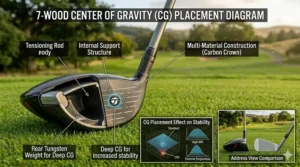
The shallow face height makes extracting the ball from tight fairway lies remarkably easier compared to deeper-faced alternatives. This design choice, combined with the low center of gravity, promotes higher launch angles and softer landings—perfect for golfers who struggle to get sufficient height with their long game. The wide range of available lofts means you can fill specific yardage gaps in your bag without paying for a complete fairway wood set.
Progressive internal heel weighting helps square the face at impact, encouraging a draw-friendly ball flight that combats the slice many amateur golfers battle. While you won’t find cutting-edge materials or adjustable weight systems, the Orlimar Escape focuses on fundamental performance delivered consistently. Customer reviews frequently mention how this club improved their confidence on long approaches, with many wishing they’d added it to their bag years earlier.
✅ Pros:
- Exceptional value for beginners
- Wide loft options for gap filling
- Easy to launch from various lies
❌ Cons:
- Basic materials and construction
- Limited customization options
Best for: Beginners and high-handicappers seeking an affordable entry point into 7 wood benefits.
7. Lazrus Premium 7 Wood – Best Direct-to-Consumer Value
The Lazrus Premium fairway wood represents a fascinating trend in golf equipment: direct-to-consumer brands delivering pro-quality performance at fractions of traditional retail prices. Manufactured in facilities that produce clubs for major brands, Lazrus offers serious performance without the marketing markup.
Key Specifications:
- Loft: 21 degrees
- Shaft: Premium graphite construction
- Flex Options: Regular available
- Price: $80-130 (includes headcover)
What makes Lazrus compelling isn’t just the price—it’s the genuine quality delivered at that price point. The premium graphite shaft provides excellent feel and appropriate weight for smooth tempo, while the clubhead design incorporates modern MOI-boosting features typically found on clubs costing three times as much. The included headcover adds value, protecting your investment during transport and storage.
Thousands of everyday golfers have embraced Lazrus fairway woods, with consistent feedback highlighting improved fairway shot consistency and confidence. The club delivers optimal balance and feel that belies its budget-friendly pricing. While you won’t get the latest AI-designed faces or adjustable weighting systems, you will get a reliable fairway wood that performs the fundamental task beautifully: getting your ball to the green from distance.
✅ Pros:
- Unbeatable price-to-performance ratio
- Quality graphite shaft included
- 100% satisfaction guarantee
❌ Cons:
- Limited fitting options
- No adjustability features
Best for: Weekend warriors and everyday golfers wanting pro-quality performance without premium prices—perfect for building a complete set on budget.
✨ Don’t Miss These Exclusive Deals!
🔍 Take your long game to the next level with these carefully selected products. Click on any highlighted item to check current pricing and availability. These clubs will help you create authentic scoring opportunities your playing partners will envy!
Understanding the 7 Wood: Loft, Distance, and Advantages
The 7 wood occupies a unique position in modern golf bag configurations, typically featuring 20-23 degrees of loft that places it strategically between traditional long irons and mid-range hybrids. Fairway woods have evolved significantly from their wooden origins, with modern designs incorporating advanced materials and engineering principles. According to the USGA’s equipment standards, fairway woods must conform to specific regulations regarding coefficient of restitution and clubhead dimensions, ensuring fair competition while allowing manufacturers room for innovation.
Why has the 7 wood experienced such a renaissance in recent years? The answer lies in simple physics combined with golf course evolution. Modern courses often demand approach shots in the 180-210 yard range—distances where traditional long irons require perfect strikes to achieve optimal results. A high loft fairway wood like the 7 wood makes these shots dramatically easier by providing:
Enhanced Launch Characteristics The 21-degree loft angle creates a naturally higher ball flight compared to 3 or 4-irons, making it easier to clear obstacles and hold greens. The larger clubhead also positions the center of gravity lower and deeper, further promoting effortless launch even from less-than-perfect lies.
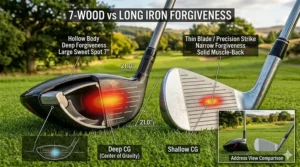
Superior Forgiveness The clubface area on a 7 wood dwarfs that of a long iron, creating a significantly larger sweet spot. This translates to maintained ball speed and distance even when you miss the center of the face by half an inch—a margin of error that would devastate long iron performance.
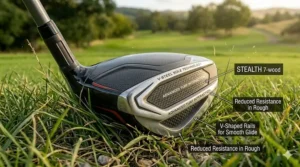
Versatility Across Conditions Whether you’re hitting off a tee on a tight par 4, attacking a reachable par 5 from the fairway, or escaping from light rough, the 7 wood adapts to various situations with ease. The sole design on modern fairway woods promotes clean turf interaction, while the higher loft prevents excessive digging that plagues lower-lofted alternatives.
Recent data from tour professionals shows that 10.3% now carry a 7 wood or higher-lofted fairway wood—a significant increase from just five years ago. Players like Tommy Fleetwood, Sahith Theegala, and Ludvig Åberg have all added higher-lofted fairways to optimize their bag compositions, recognizing that ego-driven equipment choices rarely translate to lower scores.
For senior golfers specifically, the 7 wood becomes increasingly valuable as swing speeds naturally decline with age. The combination of easy launch, generous forgiveness, and maintained distance makes it an ideal companion for those transitioning away from harder-to-hit long irons.
7 Wood vs 4 Hybrid: Which Club Belongs in Your Bag?
The debate between carrying a 7 wood vs 4 hybrid represents one of modern golf’s most common equipment dilemmas. Both clubs typically cover similar yardage ranges (roughly 180-200 yards for most golfers), yet they achieve distance through distinctly different means.
Launch and Ball Flight Differences
A 7 wood with 21 degrees of loft launches the ball higher than a 4 hybrid typically featuring 19 degrees of loft. This higher trajectory can be advantageous when you need to clear hazards or stop the ball quickly on firm greens. Hybrids, with their more iron-like ball flight, tend to produce a piercing trajectory that’s often better in windy conditions or when you need maximum roll after landing.
Shot-Making Capabilities
Hybrids excel at certain specialty shots that fairway woods struggle with. The compact clubhead makes it easier to work the ball left or right when needed, and the steeper angle of attack hybrids promote makes them superior for punch shots under tree branches or deliberate low runners. Conversely, the 7 wood’s larger sweet spot and higher MOI make it more forgiving on typical full swings from good lies.
Lie Versatility
Here’s where the discussion becomes interesting. From perfect fairway lies, both clubs perform admirably. However, their performance diverges in challenging situations. Fairway woods typically struggle from thick rough because the larger sole can catch grass before contacting the ball. Hybrids, with their more compact heads and steeper attack angles, often perform better from heavy rough. Yet from tight lies or fairway bunkers, the fairway wood’s sole design often proves superior, gliding through turf more cleanly than the hybrid’s smaller footprint.
Feel and Confidence Factors
This might be the most important consideration: which club inspires more confidence when you pull it from your bag? Some golfers simply feel more comfortable seeing a larger fairway wood head at address, while others prefer the iron-like appearance of hybrids. There’s no right answer—confidence translates directly to better swings and better results.
The ideal solution for many golfers? Carry both. A well-designed bag might include a 5 wood, 7 wood, and still have room for a 3 or 4 hybrid. This provides overlapping coverage that ensures you always have the right tool for specific situations. However, if bag space or budget forces a choice, consider your typical playing conditions and honest self-assessment of strike consistency. Miss-hit prone? Choose the 7 wood. Play courses with thick rough or need shot-making versatility? The hybrid might be your better option.
Choosing the Right 7 Wood: Complete Buying Guide
Assess Your Swing Speed and Distance Gaps
Before committing to any 7 wood, honestly evaluate your current distances with existing clubs. Most golfers benefit from 10-15 yard gaps between consecutive clubs in their bag. If your 5 wood carries 205 yards and your longest hybrid goes 175 yards, a 7 wood filling that 190-yard gap makes perfect strategic sense.
Swing speed also dictates shaft and head design requirements. Golfers with swing speeds below 85 mph should prioritize lighter overall weights and more flexible shafts, while those above 95 mph need stability from stiffer shafts and potentially heavier heads.
Consider Head Size and Profile Preferences
Larger heads typically offer more forgiveness but can appear intimidating or unwieldy to better players. If you’ve historically struggled with fairway woods, starting with a larger, game-improvement model builds confidence faster than jumping straight to tour-oriented compact designs. Conversely, single-digit handicappers often prefer smaller profiles that inspire precision and enable shot-shaping.
Evaluate Adjustability Needs
Modern fairway woods increasingly feature adjustable hosels and weight systems. These adjustment capabilities allow fine-tuning of loft, lie angle, and draw/fade bias without visiting a clubfitter. However, this adjustability comes at a cost premium and added complexity. Recreational golfers who simply want to grip it and rip it might find fixed-hosel models perfectly adequate and more affordable.
Prioritize Shaft Selection
The shaft represents half the club’s importance despite receiving far less attention than the head. Graphite shafts dominate fairway woods for good reason—they’re lighter, promote higher launch, and reduce vibration on mis-hits. However, shaft flex, weight, torque, and kick point dramatically impact performance. If possible, test multiple shaft options during fitting to find the combination that maximizes your personal ball flight and feel preferences.
Test Before You Buy
Reading reviews and studying specifications provides valuable information, but nothing replaces hitting various 7 woods on a launch monitor or practice range. Many golf retailers offer demo programs or in-store hitting bays specifically for this purpose. Pay attention to dispersion patterns, peak height, carry distance, and total distance—not just how far your best shot went.
Maintenance Tips: Maximizing Your 7 Wood’s Lifespan
Regular Cleaning Routine
After each round, wipe down your 7 wood’s clubhead with a damp microfiber cloth to remove dirt, grass, and debris. Pay special attention to the grooves on the face—clean grooves maintain optimal spin rates and control. For deeper cleaning, use warm water with mild dish soap, avoiding harsh chemicals that might damage finishes or epoxies.
Inspect for Damage
Regularly examine your clubhead for cracks, especially around the face-to-crown junction and hosel area where stress concentrates during impact. Small paint chips are cosmetic, but any structural damage requires professional evaluation. Check the shaft for unusual wear patterns, and ensure the head remains firmly attached without any rattling or looseness.
Proper Storage Practices
Always use the headcover between shots and during transport—dings and scratches from club-to-club contact gradually degrade performance and resale value. Store clubs in a temperature-controlled environment when possible, as extreme heat or cold can affect epoxy bonds and shaft integrity over time.
Know When to Regrip
Grips wear out faster than most golfers realize. Even without visible wear, grip tackiness diminishes over time, affecting your ability to maintain consistent pressure and control. Plan to regrip at least once per season if you play regularly, or whenever you notice the grip feeling hard, smooth, or slippery.
Common Mistakes to Avoid When Using a 7 Wood
Teeing Too High
Unlike drivers, fairway woods perform best when teed at modest heights or hit directly off the turf. When using a 7 wood off a tee, position the ball so only half of it sits above the crown—this promotes proper contact and optimal launch angles.
Ball Position Errors
Many golfers position fairway woods too far forward in their stance, effectively turning an easy launch into a difficult sweeping motion. For most players, positioning the ball 2-3 inches inside the left heel (for right-handed golfers) promotes solid contact without excessive manipulation.
Trying to “Help” the Ball Airborne
The 7 wood’s loft and design already optimize launch—attempting to scoop or lift the ball typically produces thin or topped shots. Trust the club’s design and maintain your normal swing path, allowing the loft to do its job.
Neglecting Proper Setup
Fairway woods require slightly different setup positions than irons. Widen your stance slightly for stability, and maintain a shallower spine angle than you’d use with irons. This promotes the sweeping motion fairway woods prefer rather than the steeper, ball-first contact irons demand.
Latest Technology in 2026 7 Woods
AI-Designed Clubfaces
Artificial intelligence has revolutionized fairway wood design, analyzing millions of swing data points to optimize face thickness patterns. This technology creates variable sweet spots across the clubface rather than a single optimal contact point, dramatically improving performance on off-center strikes.
Carbon Composite Construction
Premium 7 woods increasingly incorporate carbon fiber in crowns and even entire club bodies. According to Keiser University College of Golf’s research, the evolution from persimmon wood to modern composite materials represents one of golf’s most significant technological leaps. This exotic material weighs significantly less than traditional steel or titanium, allowing manufacturers to redistribute saved weight precisely where it benefits performance most—typically low and deep for optimal launch and forgiveness.
Adjustable Weighting Systems
Following drivers’ lead, modern fairway woods now feature moveable weights that allow customization of draw/fade bias, launch characteristics, and workability. These systems empower golfers to fine-tune performance without changing clubs, adapting to swing changes or specific course demands.
Advanced Sole Technologies
Manufacturers now engineer fairway wood soles with computer-modeled designs that optimize turf interaction across various lie conditions. As noted in Golf Digest’s equipment analysis, modern fairway woods feature clubhead crowns that can be cast half as thin as they could a decade ago, creating larger heads with lower centers of gravity that make launching the ball significantly easier. Rails, channels, and precision-shaped leading edges all work to reduce friction and maintain clubhead speed through impact, whether you’re on perfect fairway grass or sitting down in light rough.

Frequently Asked Questions
❓ What is the ideal loft for a 7 wood golf club?
❓ How far should I hit a 7 wood compared to my driver?
❓ Should seniors use a 7 wood instead of long irons?
❓ Can a 7 wood replace my 3 hybrid in the bag?
❓ What shaft flex should I choose for my 7 wood?
Conclusion: Finding Your Perfect 7 Wood Match
After examining the landscape of modern 7 woods, several clear conclusions emerge. For golfers prioritizing absolute performance and willing to invest accordingly, the TaylorMade Qi10 and Callaway Paradym AI Smoke Max represent the pinnacle of current technology. Their combination of AI-optimized faces, premium materials, and tour-proven performance justifies the premium pricing for serious players.
However, exceptional value exists throughout the market. The Cleveland Launcher Halo XL delivers remarkable forgiveness and technology at nearly half the price of premium alternatives, making it perfect for budget-conscious players who refuse to sacrifice performance. Meanwhile, the Cobra Darkspeed Max offers adjustability features typically reserved for custom fitting studios, ideal for golfers battling persistent ball flight issues.
Don’t overlook entry-level options if you’re building your first proper golf bag or simply want to experiment with adding a 7 wood without significant financial commitment. The Orlimar Escape and Lazrus Premium both deliver surprising quality at prices that won’t trigger buyer’s remorse if the experiment doesn’t work out.
Remember that the “best” 7 wood ultimately depends on your individual swing characteristics, playing style, and specific needs. A club producing tour-level results in professional hands might frustrate recreational players, while a game-improvement design perfect for weekend golfers might limit shot-making ability for skilled ball-strikers. Whenever possible, test multiple options on a launch monitor or during an outdoor demo day—the data and feel will guide you toward the right choice far better than any review.
The 7 wood has evolved from niche specialty club to mainstream bag staple for good reason. Its unique combination of distance, forgiveness, and versatility fills a critical gap that long irons and hybrids often struggle to address. Whether you’re a senior seeking easy launch wood performance, a mid-handicapper looking to eliminate scoring zone inconsistency, or simply a smart golfer optimizing your equipment for lower scores, adding the right 7 wood transforms your long game from weakness into weapon.
Recommended for You
- Best 5 Wood 2026: Top 7 Picks for Distance & Forgiveness
- 7 Best 3 Wood for High Handicappers 2026 – Easy Launch
- 7 Best Fairway Woods 2026 That Will Transform Your Game
Disclaimer: This article contains affiliate links. If you purchase products through these links, we may earn a small commission at no additional cost to you.
✨ Found this helpful? Share it with your friends! 💬🤗
