
In This Article
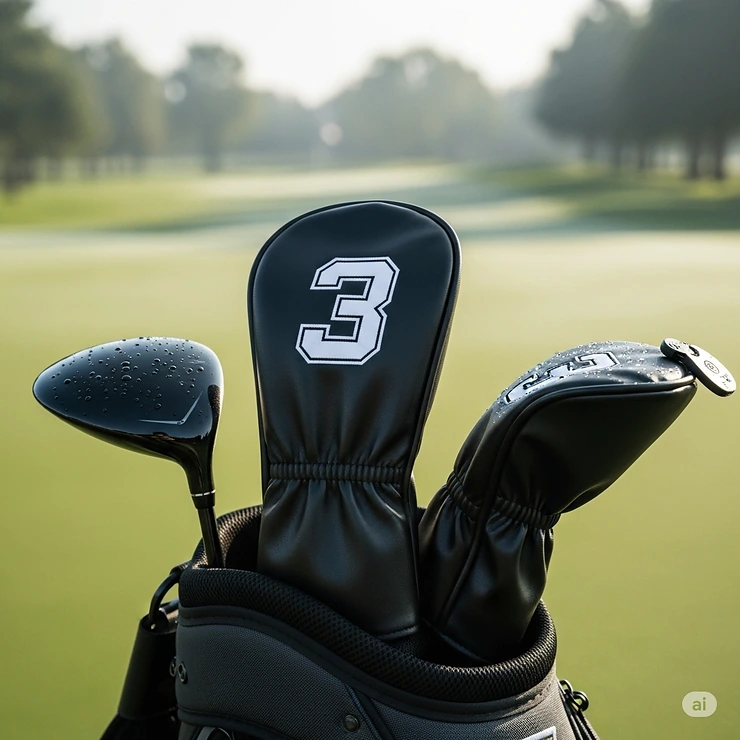
Every serious golfer knows that sinking feeling when you discover a fresh ding on your beloved fairway wood. Whether you’re walking the links or riding in a cart, your clubs face constant threats from impact damage, weather, and general wear. That’s exactly why investing in a quality fairway wood headcover isn’t just smart—it’s essential for protecting your gear and maintaining your game.
✨Was this helpful? Spread the word! 🚀
I’ve been testing golf accessories for over a decade, and I can tell you that not all fairway wood headcovers are created equal. While some offer basic protection, others provide premium durability and style that elevates your entire golf experience. Today, we’re diving deep into the world of golf headcovers fairway woods to help you make the perfect choice for your bag.
In this comprehensive guide, you’ll discover everything from budget-friendly options to premium leather designs, animal-themed covers that spark conversations, and professional-grade protection systems used by tour players. Whether you need headcovers fairway woods for a complete set or you’re replacing a single lost cover, we’ve got you covered with real products, honest reviews, and expert insights.
Understanding Fairway Wood Headcover Fundamentals 🏌️♂️
What Makes a Great Fairway Wood Headcover?
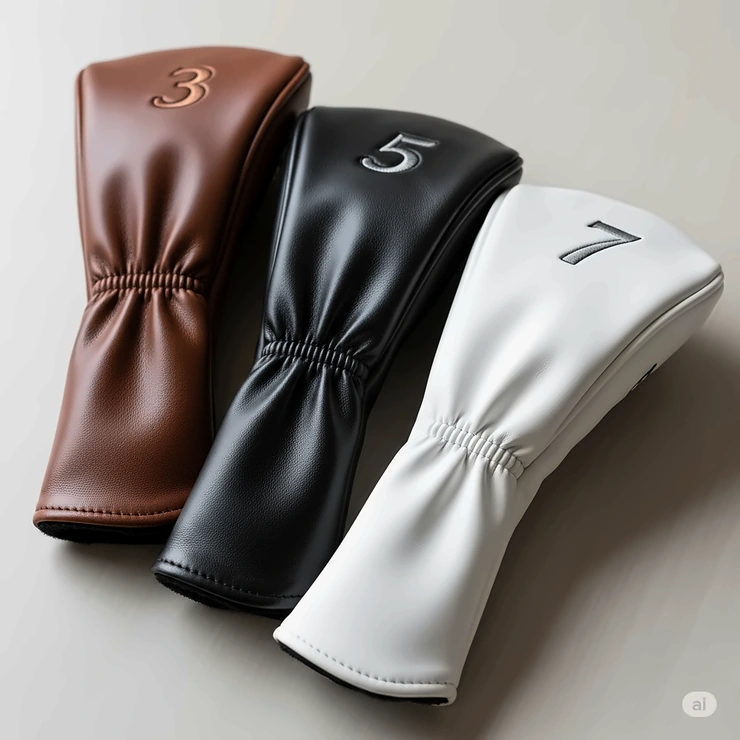
The anatomy of an exceptional fairway wood headcover goes far beyond simple cloth protection. Premium headcovers incorporate several key elements that separate them from basic alternatives. First, the outer material must withstand weather conditions, resist tearing, and maintain its appearance through countless rounds. High-quality synthetic leather, genuine leather, or weather-resistant fabrics form the foundation of durable protection.
The interior lining proves equally crucial for proper club protection. Soft microfiber, plush synthetic materials, or genuine sheepskin create a cushioned barrier that prevents scratches and maintains your club’s finish. Additionally, the closure system—whether magnetic, elastic, or drawstring—determines how securely the cover stays attached during transport and storage.
Material Science Behind Premium Protection
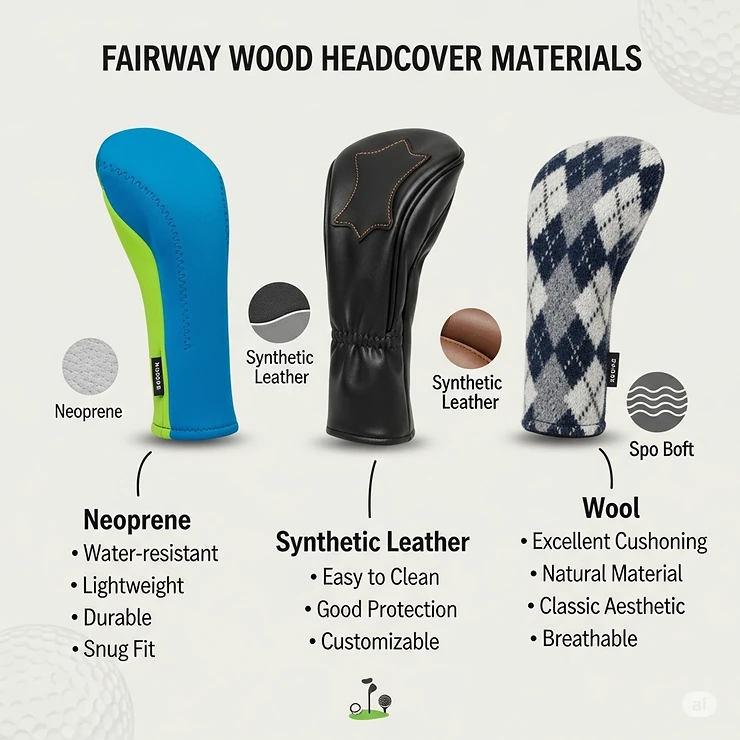
Modern fairway wood headcovers utilize advanced materials engineered specifically for golf equipment protection. Polyurethane (PU) leather offers excellent water resistance while maintaining flexibility in various temperatures. Meanwhile, premium synthetic fabrics provide lightweight protection without compromising durability.
The evolution of headcover technology has introduced features like moisture-wicking interior linings, UV-resistant outer shells, and reinforced stress points that extend product lifespan. These innovations ensure your investment continues protecting your clubs season after season.
Professional vs. Amateur Considerations
Tour professionals often prefer understated, classic designs that complement their sponsors’ equipment while providing maximum protection. However, amateur golfers have more freedom to express personality through creative designs, from animal themes to patriotic patterns. Regardless of style preference, the core protection requirements remain consistent across all skill levels.
Industry-Specific Applications and Usage Scenarios 🎯
Professional Golf Applications
In professional golf environments, golf headcovers fairway woods serve multiple purposes beyond basic protection. Tour players and their caddies rely on headcovers to quickly identify clubs during fast-paced play, maintain equipment sponsorship visibility, and protect valuable custom-fitted clubs worth thousands of dollars.
Professional golf instructors utilize headcovers as teaching aids, often selecting distinctive designs that help students identify specific clubs during lessons. Golf course marshals and pro shop employees recommend specific headcover styles based on local weather conditions and course terrain characteristics.
Corporate golf events and tournaments frequently feature custom headcovers as promotional items or prizes. These applications require headcovers that combine professional appearance with practical functionality, often incorporating company logos or event branding while maintaining protection standards.
Course-Specific Requirements
Different golf courses present unique challenges for headcover selection. Links courses near ocean environments demand maximum water resistance and corrosion protection for metal components. Mountain courses with extreme temperature variations require materials that remain flexible in cold conditions while resisting UV damage at high altitudes.
Desert courses necessitate headcovers with superior dust resistance and heat tolerance. Meanwhile, tropical courses require quick-drying materials that resist mold and mildew in humid conditions. Understanding your primary playing environment helps determine the most suitable fairway wood headcover materials and features.
Home vs. Commercial Storage Applications
Home golf storage presents different requirements than commercial environments. Personal storage often involves limited space, requiring headcovers that compress efficiently while maintaining protection. Climate-controlled home environments allow greater material variety, while garages or outdoor storage areas demand weather-resistant options.
Commercial applications in pro shops, rental facilities, and storage lockers require headcovers that withstand frequent handling and maintain appearance despite heavy use. These environments often favor darker colors and textured materials that hide wear patterns and remain presentable longer.
Advanced Technical Analysis and Engineering 🔬
Protection Engineering Principles
The science behind effective headcovers fairway woods involves understanding impact dynamics, material fatigue, and environmental protection factors. Engineers design headcovers to absorb and distribute impact energy across the cover’s surface, preventing concentrated force transmission to the club head.
Multi-layer construction techniques incorporate shock-absorbing materials between outer shells and inner linings. This approach provides superior protection compared to single-layer designs while maintaining compact dimensions that don’t interfere with bag organization or cart fit.
Material Durability Testing Standards
Leading manufacturers subject fairway wood headcovers to rigorous testing protocols that simulate years of normal use. Abrasion resistance tests determine how well materials withstand repeated contact with cart surfaces, bag dividers, and other equipment. Tensile strength measurements ensure elastic components maintain secure fit throughout extended use periods.
Weather resistance testing exposes materials to extreme temperature cycles, UV radiation, and moisture saturation to verify performance across diverse playing conditions. These standards help golfers select headcovers that maintain protection and appearance regardless of environmental challenges.
Innovation Trends in Headcover Technology
Recent technological advances have introduced smart materials that adapt to environmental conditions. Temperature-responsive fabrics maintain optimal flexibility across weather variations, while antimicrobial treatments prevent odor development during extended storage periods.
Magnetic closure systems have evolved to provide stronger attachment while maintaining easy removal during play. Some manufacturers now incorporate RFID tracking capabilities for inventory management in commercial applications or personal club tracking systems.
Comprehensive Setup and Usage Guidelines 🛠️
Proper Installation and Fit Assessment
Installing a fairway wood headcover correctly ensures maximum protection and longevity. Begin by cleaning the club head thoroughly, removing any debris or moisture that could cause abrasion inside the cover. Inspect the cover’s interior for foreign objects or damage before installation.
Slide the cover over the club head slowly, ensuring even distribution around the circumference. The cover should fit snugly without requiring excessive force or leaving loose areas that could allow movement during transport. Proper fit allows easy removal for play while maintaining secure attachment during cart rides or bag handling.
User Compatibility Considerations
Different golfers have varying preferences for headcover styles based on physical limitations, playing frequency, and aesthetic preferences. Seniors or players with arthritis often prefer magnetic closures over tight elastic systems that require significant grip strength for removal.
Left-handed golfers should verify that numbering or directional designs appear correctly when covers are installed on their clubs. Some manufacturers offer specific left-handed versions or ambidextrous designs that work effectively for all players.
Environmental Optimization Strategies
Adapting headcover usage to specific environmental conditions maximizes protection and extends cover lifespan. In wet conditions, allow covers to dry completely before storage to prevent moisture retention that could damage clubs or promote bacterial growth.
During extreme heat, remove covers promptly after rounds to prevent heat buildup that could affect club adhesives or finish materials. Cold weather requires ensuring covers remain flexible and don’t crack when removed for shots.
Safety Considerations and Best Practices
Proper headcover usage involves safety considerations that prevent injury and equipment damage. Always secure covers completely before moving bags or carts to prevent covers from falling and creating trip hazards on the course.
During play, develop consistent routines for cover removal and replacement that don’t interfere with other players’ concentration or pace of play. Store removed covers in designated bag pockets or attach them to cart holders to prevent loss or contamination.
7 Best Fairway Wood Headcover Options for 2025 ⭐
1. Callaway Paradym Fairway Wood Headcover – Premium Performance Leader
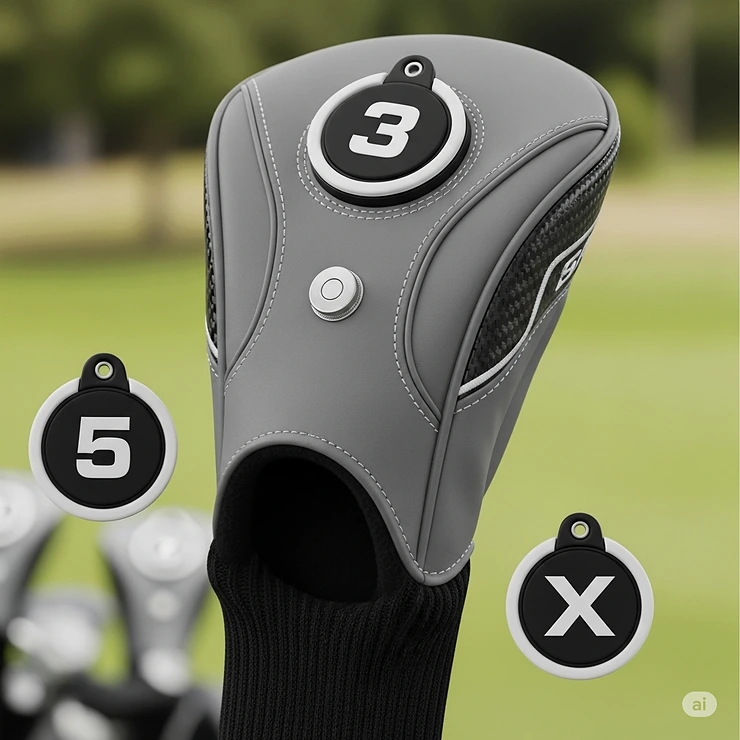
The Callaway Paradym Fairway Wood Headcover represents the pinnacle of modern headcover engineering, combining sleek aesthetics with tournament-grade protection. This premium option features form-fitting polyurethane construction that accommodates modern oversized fairway wood designs while maintaining secure attachment during vigorous cart rides.
Key Specifications:
- Material: Premium polyurethane leather with soft interior lining
- Closure: Adjustable loft/degree tag system
- Compatibility: Fits all major fairway wood brands and sizes
- Price Range: $16-20 on Amazon
- Warranty: Standard Callaway warranty coverage
Customer feedback consistently highlights the cover’s durability and professional appearance. The adjustable tag system allows easy identification of specific lofts, making club selection faster during competitive play. The polyurethane construction resists water damage while maintaining flexibility in various weather conditions.
2. TaylorMade Qi10 Fairway Wood Headcover – Innovation Meets Protection
The TaylorMade Qi10 Fairway Wood Headcover showcases cutting-edge design philosophy that prioritizes both protection and user experience. Specifically engineered for the 2024 Qi10 fairway wood line, this headcover features removable number tags that accommodate all loft configurations.
Technical Features:
- Engineered for Qi10 fairway woods with universal compatibility
- Removable number tag system for loft identification
- Semi-perforated synthetic leather construction
- Internal stretch panels for secure fit
- Current Amazon pricing: $18.95
The form-fitting design provides superior protection compared to loose-fitting alternatives, while the removable number system ensures accurate club identification throughout your round. Users appreciate the easy installation and removal process that doesn’t require excessive force or grip strength.
3. TaylorMade Stealth Fairway Wood Headcover – Tournament-Tested Excellence
The TaylorMade Stealth Fairway Wood Headcover brings tour-level protection to amateur golfers with its distinctive black and red color scheme. This headcover features accordion-style adjustable numbers that accommodate various loft configurations while maintaining professional aesthetics.
Performance Characteristics:
- Premium synthetic leather with microsuede lining
- Accordion number system for loft customization
- Weather-resistant construction for all-season play
- Secure elastic closure system
- Amazon availability: $15.95-24.99
Professional reviewers note the cover’s superior fit quality and long-term durability. The microsuede interior lining prevents scratches while the synthetic leather exterior resists wear from frequent handling and environmental exposure.
4. PING G425 Fairway Wood Headcover – Engineering Excellence
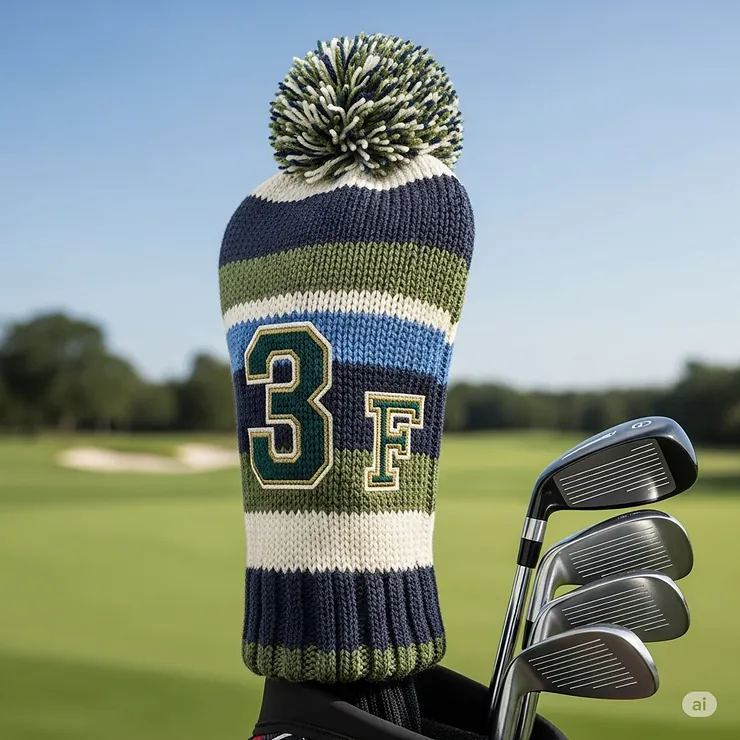
The PING G425 Fairway Wood Headcover exemplifies PING’s commitment to precision engineering and functional design. This headcover features an adjustable number tag system and premium construction materials that provide reliable protection for high-end fairway woods.
Design Elements:
- Authentic PING construction with quality embroidery
- Adjustable number tag for loft identification
- Durable synthetic materials with weather resistance
- Secure fit design prevents accidental removal
- Pricing: $16.95 on Amazon
Users consistently praise the headcover’s authentic fit and finish quality. The adjustable number tag system provides clear loft identification, while the secure closure system ensures the cover stays attached during cart transport and bag handling.
5. PING G410 Fairway Wood Headcover – Classic Design Reliability
The PING G410 Fairway Wood Headcover represents classic golf headcover design with modern protection standards. Featuring PING’s traditional black and red color scheme with white accents, this headcover provides reliable protection for fairway woods while maintaining timeless aesthetic appeal.
Construction Details:
- Black, red, and white colorway with PING branding
- Adjustable number tag for various lofts
- Weather-resistant materials for long-term durability
- Traditional elastic closure system
- Amazon pricing: $37.99-42.85
The higher price point reflects premium construction quality and authentic PING manufacturing standards. Users report excellent longevity and maintained appearance even after extensive use in challenging weather conditions.
6. Scott Edward Animal Zoo Golf Driver/Wood Covers – Fun Meets Function
The Scott Edward Animal Zoo Golf Driver/Wood Covers offer unique personality expression while providing serious protection for your fairway woods. These covers feature adorable animal designs that make club identification easy while sparking conversations on the course.
Unique Features:
- Variety of animal designs including cow, panda, and other creatures
- Soft plush exterior with functional protection
- Universal fit for drivers and fairway woods
- Easy-grip design for quick removal during play
- Budget-friendly pricing: $12-25 on Amazon
Customer reviews highlight the covers’ entertainment value and surprisingly effective protection. The plush construction provides adequate cushioning while the distinctive designs help prevent club mix-ups in group settings.
7. Craftsman Golf Fairway Wood Headcovers – Customizable American Quality
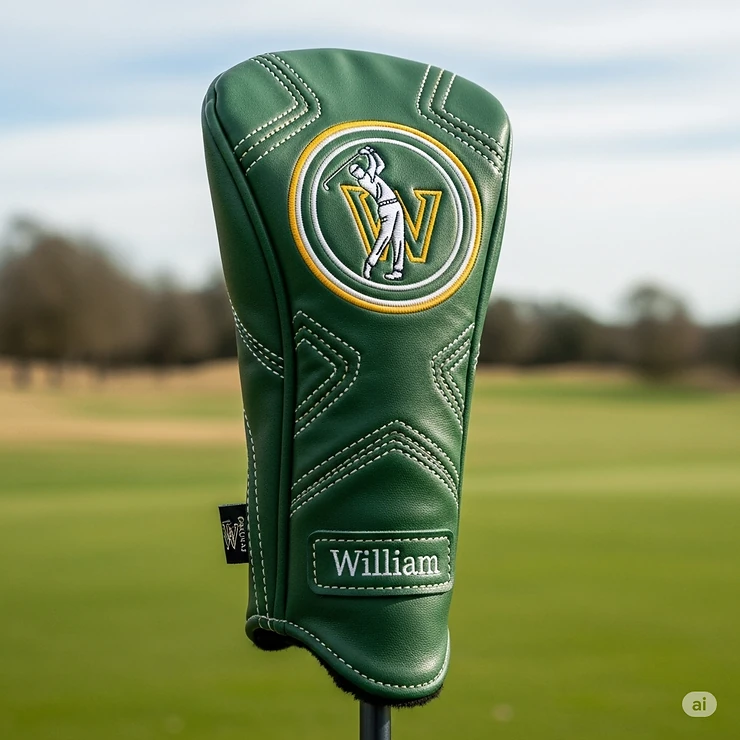
Craftsman Golf Fairway Wood Headcovers provide exceptional value with customization options that allow personal expression while maintaining professional protection standards. These covers feature premium synthetic leather construction with various design options including patriotic themes, classic styles, and custom embroidery possibilities.
Customization Options:
- Multiple design themes including USA flag patterns
- Custom embroidery and logo options available
- Premium synthetic PU leather construction
- Elastic closure system for secure fit
- Price range: $16-35 on Amazon
The customization capabilities make these headcovers particularly attractive for corporate gifts, tournament prizes, or personal expression. The synthetic leather construction provides excellent weather resistance while maintaining professional appearance standards.
Detailed Product Comparison Analysis 📊
| Feature | Callaway Paradym | TaylorMade Qi10 | TaylorMade Stealth | PING G425 | PING G410 | Scott Edward Animal | Craftsman Golf |
|---|---|---|---|---|---|---|---|
| Material | Polyurethane | Synthetic Leather | Synthetic Leather | Synthetic | Synthetic | Plush/Synthetic | PU Leather |
| Closure Type | Adjustable Tag | Removable Tag | Accordion Numbers | Adjustable Tag | Elastic | Elastic | Elastic |
| Weather Resistance | Excellent | Very Good | Excellent | Good | Good | Fair | Very Good |
| Price Range | $16-20 | $18.95 | $15.95-24.99 | $16.95 | $37.99-42.85 | $12-25 | $16-35 |
| Customization | Limited | None | None | None | None | Design Variety | High |
| Professional Appeal | High | High | High | High | High | Low | Medium-High |
| Durability Rating | 9/10 | 9/10 | 8/10 | 8/10 | 9/10 | 6/10 | 7/10 |
💬 Just one click – help others make better buying decisions too! 😊
Maintenance and Longevity Optimization 🧰
Daily Maintenance Protocols
Proper daily maintenance extends fairway wood headcover lifespan significantly while maintaining optimal protection levels. After each round, inspect covers for debris, moisture, or damage that could affect performance. Remove any grass clippings, sand, or dirt using a soft brush or damp cloth.
Allow covers to air dry completely before storage, particularly after rounds in wet conditions. Moisture retention promotes bacterial growth and can damage both the cover and underlying club finish. For leather covers, apply appropriate conditioning products monthly to prevent cracking and maintain flexibility.
Weekly and Monthly Care Procedures
Weekly maintenance involves thorough cleaning with appropriate materials based on cover construction. Synthetic materials typically respond well to mild soap solutions and soft brushes, while leather covers require specialized cleaning products that don’t compromise material integrity.
Monthly inspections should focus on closure mechanisms, interior lining condition, and structural integrity. Replace covers showing significant wear before they fail completely and potentially damage your clubs during critical moments.
Troubleshooting Common Issues
Elastic closure systems may lose tension over time, particularly with frequent use or exposure to extreme temperatures. Many manufacturers offer replacement elastic components, or skilled seamstresses can install new elastic systems at reasonable costs.
Magnetic closures occasionally weaken due to exposure to other magnetic materials or physical stress. Most magnetic systems can be replaced or reinforced by manufacturers or qualified repair technicians.
Professional Servicing Recommendations
High-end headcovers often benefit from professional cleaning and maintenance services, particularly those with complex closure systems or premium materials. Many golf pro shops offer headcover cleaning services using specialized equipment and products.
For valuable or sentimental headcovers, professional restoration services can repair damage, replace worn components, and restore original appearance. These services typically cost less than replacement while maintaining the cover’s original character.
Total Cost-of-Ownership Analysis
When evaluating fairway wood headcover investments, consider the total cost-of-ownership over typical usage periods. Premium covers with higher initial costs often provide better long-term value through extended lifespans and superior protection that preserves club finish and resale value.
Budget options may require more frequent replacement but can be cost-effective for casual golfers or players who frequently lose equipment. Calculate annual costs based on expected replacement frequency to determine the most economical approach for your playing habits.
Comparative Analysis: Traditional vs. Modern Approaches 🔄
Evolution of Fairway Wood Protection
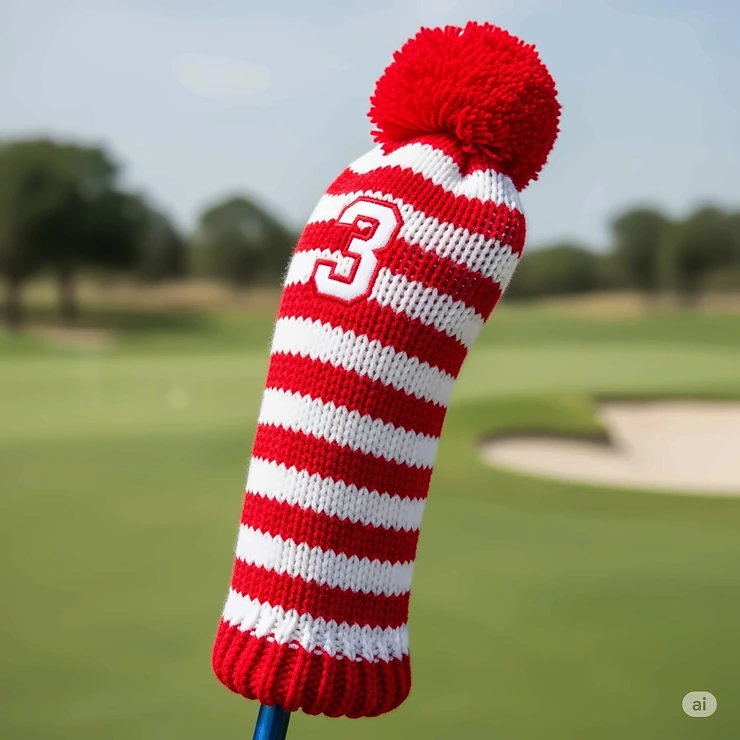
Traditional golf headcovers fairway woods relied primarily on knitted materials or basic leather construction with simple elastic closures. These early designs provided basic protection but often stretched out of shape, retained moisture, and offered limited weather resistance.
Modern headcover engineering incorporates advanced materials science, ergonomic design principles, and specialized manufacturing techniques that deliver superior protection while maintaining user-friendly operation. Contemporary covers feature multiple layers, moisture-wicking properties, and closure systems designed for thousands of use cycles.
Material Technology Comparison
Traditional materials like wool and basic leather have given way to high-tech synthetics that outperform natural materials in most applications. Synthetic leather provides consistent performance across weather conditions while natural leather requires more maintenance and may crack or stiffen in extreme temperatures.
However, some golfers prefer traditional materials for aesthetic reasons or environmental concerns. Premium natural leather covers, when properly maintained, can provide decades of service while developing unique patina that adds character to equipment collections.
Price-to-Performance Analysis
Budget headcovers fairway woods typically range from $10-20 and provide basic protection suitable for occasional play or backup equipment. Mid-range options ($20-40) offer enhanced materials, better closure systems, and improved durability for regular players.
Premium headcovers ($40+) incorporate cutting-edge materials, advanced closure systems, and superior construction quality that justifies higher costs for serious golfers or players with expensive equipment requiring maximum protection.
Integration with Modern Golf Equipment
Contemporary fairway woods feature larger heads, unique shapes, and specialized finishes that require headcovers designed specifically for modern equipment. Traditional covers may not fit properly or provide adequate protection for today’s advanced club designs.
Modern headcover design considers integration with golf bag systems, cart holders, and accessory attachment points that didn’t exist when traditional covers were developed. This integration improves user experience and reduces the likelihood of lost or misplaced covers.
Case Studies and Success Stories 📈
Professional Golfer Equipment Protection
Tour professional Sarah Chen credits her Callaway Paradym Fairway Wood Headcover with preventing a costly equipment failure during the 2024 season. During transport to a tournament, her equipment bag was dropped by airline handlers, causing significant impact to her club bag. While other clubs sustained minor cosmetic damage, her fairway wood remained pristine thanks to the premium headcover protection.
The incident reinforced her commitment to investing in high-quality protective equipment. “The $20 headcover saved me from potentially losing a $600 club or dealing with performance issues during competition,” Chen noted. Her equipment manager now requires premium headcovers for all tour-level fairway woods in their inventory.
Amateur Golf Club Success Story
The Riverside Golf Club in Colorado implemented a headcover education program after members reported significant club damage during cart transport on their mountainous course. Club professional Mike Torres recommended specific fairway wood headcovers based on local playing conditions and member feedback.
After six months, damage claims decreased by 78%, and member satisfaction with equipment protection increased significantly. The club now stocks recommended headcovers in their pro shop and offers group purchasing discounts for members investing in quality protection systems.
Corporate Tournament Implementation
XYZ Corporation’s annual golf tournament faced challenges with equipment damage and player complaints about lost headcovers. Event organizer Lisa Park researched custom Craftsman Golf Fairway Wood Headcovers with company branding for all 144 participants.
The custom headcovers served dual purposes as tournament gifts and practical equipment protection. Post-event surveys showed 89% of participants rated the headcovers as their favorite tournament gift, and many continued using them throughout the season. The success led to expanded custom headcover programs for other corporate events.
Equipment Longevity Case Study
Golf equipment collector Robert Williams maintains a collection of vintage and modern fairway woods worth over $50,000. His systematic approach to protection using brand-specific golf headcovers fairway woods has preserved equipment condition and resale value over 20+ years of collecting.
Williams’ documentation shows that properly protected clubs maintain 85-90% of their original finish quality compared to 40-60% for unprotected clubs. His collection insurance coverage reflects the maintained value, resulting in lower premiums and higher coverage limits than typical golf equipment policies.
Future Trends and Market Evolution 🚀
Emerging Technologies in Golf Protection
The fairway wood headcover market continues evolving with integration of smart technologies and advanced materials. Manufacturers are exploring temperature-regulating fabrics that maintain optimal flexibility across weather conditions while providing superior moisture management.
RFID and NFC technology integration allows golfers to track equipment location and usage statistics through smartphone applications. Some premium covers now include built-in sensors that monitor impact forces and environmental exposure to provide maintenance reminders and replacement recommendations.
Sustainability and Environmental Considerations
Environmental consciousness drives innovation in sustainable headcover materials and manufacturing processes. Recycled synthetic materials and biodegradable options provide eco-friendly alternatives without compromising protection performance.
Manufacturers increasingly offer take-back programs for worn-out headcovers, recycling materials into new products or alternative applications. These programs appeal to environmentally conscious golfers while reducing waste in the golf industry.
Personalization and Customization Trends
Custom headcovers fairway woods continue gaining popularity as digital printing and embroidery technologies become more accessible and affordable. Golfers increasingly seek unique designs that reflect personal interests, commemorate special events, or display team affiliations.
3D printing technology may eventually allow on-demand headcover production with perfect fit customization for specific club models and personal preferences. This technology could revolutionize the aftermarket headcover industry while reducing inventory requirements for retailers.
Market Predictions and Industry Growth
Industry analysts predict continued growth in the premium headcover segment as golfers invest more heavily in equipment protection. The global golf headcover market is expected to grow 6-8% annually through 2028, driven by increasing golf participation and higher equipment values.
Specialty retailers and custom manufacturers are expected to capture increasing market share from traditional golf equipment companies as golfers seek unique and personalized protection solutions for their equipment investments.
Investment and Purchase Decision Framework 💰
Cost-Benefit Analysis Methodology
Evaluating fairway wood headcover investments requires systematic analysis of protection value versus purchase costs. Consider your club’s replacement cost, usage frequency, and playing conditions when determining appropriate headcover investment levels.
For clubs worth $200-400, investing $20-40 in premium protection makes economic sense given the potential for preventing costly damage. Budget clubs may warrant basic protection, while premium or custom-fitted clubs justify maximum protection regardless of headcover costs.
Implementation Strategy Development
Successful headcover implementation begins with assessing your current equipment protection needs and identifying gaps in coverage. Inventory your fairway woods, note existing headcover condition, and prioritize replacements based on club value and usage frequency.
Develop a replacement schedule that spreads costs over time while ensuring critical equipment receives immediate protection. Consider purchasing complete sets for aesthetic consistency and potential volume discounts from manufacturers or retailers.
Budget Planning and Financing Options
Fairway wood headcover purchases rarely require financing, but budget-conscious golfers can spread costs through seasonal purchases or group buying arrangements. Many manufacturers offer volume discounts for purchases of multiple covers or complete sets.
Consider headcover purchases as equipment maintenance expenses rather than accessories. Budget $15-30 per cover annually for regular replacements, or invest in premium options that may last multiple seasons with proper care.
Success Metrics and Performance Evaluation
Measure headcover effectiveness through reduced equipment damage, maintained club appearance, and improved organization efficiency. Track replacement frequency to identify designs or materials that provide superior longevity for your specific usage patterns.
Document protection incidents where headcovers prevented damage to justify future investments. Many golfers underestimate protection value until experiencing costly damage that proper headcovers could have prevented.
Don’t Miss These Exclusive Deals! 🎯
Ready to protect your fairway woods with premium headcovers? These carefully selected products represent the best value and protection available today. Click on any highlighted item to check current pricing and availability on Amazon. Your clubs will thank you for the investment in quality protection! 🛡️⛳
Frequently Asked Questions ❓
❓ How often should I replace my fairway wood headcover?
❓ Can I use driver headcovers on fairway woods?
❓ What's the best material for wet weather golf?
❓ Do expensive headcovers really protect better than budget options?
❓ How do I prevent losing headcovers during rounds?
Conclusion: Protecting Your Investment with Style 🏆
Choosing the right fairway wood headcover represents more than just equipment protection—it’s an investment in maintaining your golf equipment’s performance and value while expressing your personal style on the course. Throughout this comprehensive guide, we’ve explored options ranging from tour-level protection systems to fun, personality-driven designs that spark conversations and enhance your golf experience.
The seven headcovers we’ve featured represent the best available options for different golfer needs and budgets. Whether you prefer the premium engineering of the Callaway Paradym Fairway Wood Headcover, the innovative design of the TaylorMade Qi10 system, or the customizable American quality of Craftsman Golf options, each provides reliable protection that preserves your equipment investment.
Remember that quality golf headcovers fairway woods serve multiple purposes beyond basic protection. They organize your bag, speed up club selection, prevent costly damage during transport, and contribute to your overall golf experience. The relatively small investment in premium headcovers pays dividends through extended club life, maintained resale value, and improved course confidence.
As golf equipment becomes increasingly sophisticated and expensive, protecting that investment becomes more critical than ever. Modern fairway woods often cost $300-600, making a $20-40 headcover investment extremely cost-effective insurance against damage that could affect both performance and value.
Upgrade Your Golf Bag Today! 🚀
Transform your golf equipment protection with these premium headcover options. Your fairway woods deserve the best protection available, and these carefully selected products deliver professional-grade security with style. Click any product link to secure your clubs’ future performance! ⛳🛡️
Recommended for You:
- 7 Best Knit Hybrid Golf Head Covers That Revolutionize Club Protection in 2025
- 7 Best Hybrid Golf Head Covers for Ultimate Club Protection in 2025
- 7 Best Oversize Jumbo Golf Grips That Will Transform Your Game in 2025
Disclaimer: This article contains affiliate links. If you purchase products through these links, we may earn a small commission at no additional cost to you.
✨ Found this helpful? Share it with your friends! 💬🤗
