

In This Article
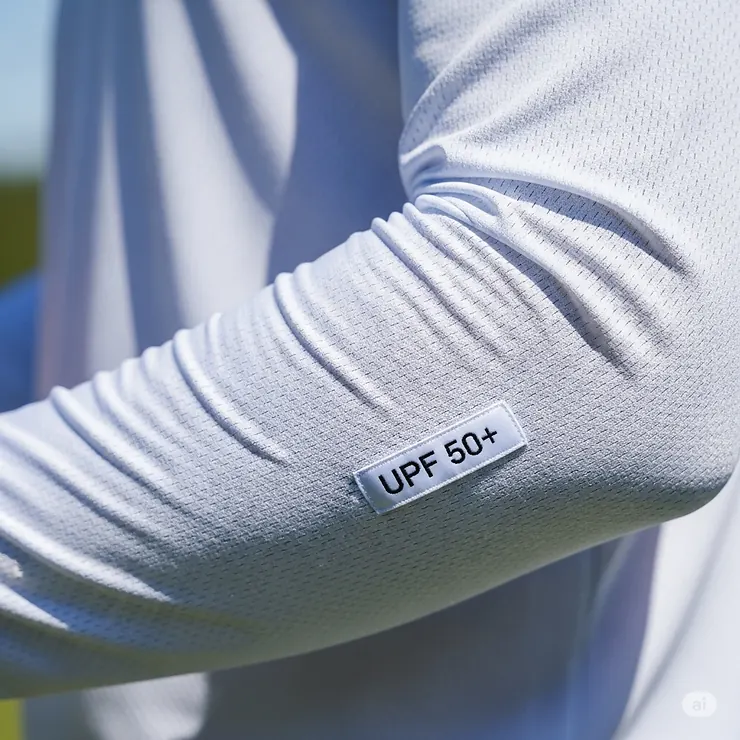
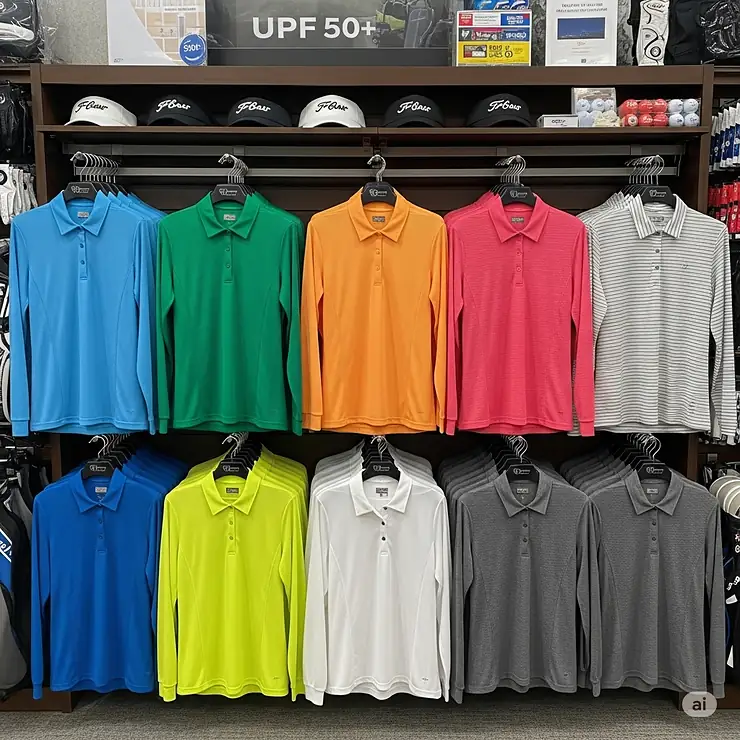
When you’re spending four to six hours on the golf course under the blazing sun, protecting your skin isn’t just smart—it’s essential for your health and performance. Long sleeve sun protection golf shirts have revolutionized how golfers approach UV defense, combining cutting-edge fabric technology with athletic performance features that keep you cool, dry, and protected throughout your entire round.
✨Was this helpful? Spread the word! 🚀
The modern golfer faces unique challenges when it comes to sun exposure. Unlike other outdoor activities, golf requires extended periods in direct sunlight with minimal shade options. This prolonged UV exposure can lead to serious skin damage, premature aging, and increased risk of skin cancer. Long sleeve sun protection golf shirts offer a sophisticated solution that doesn’t compromise your swing mechanics or comfort levels.
Today’s sun protection golf shirts represent a quantum leap from the heavy, restrictive long-sleeve options of the past. Advanced moisture-wicking fabrics, strategic ventilation zones, and UPF (Ultraviolet Protection Factor) ratings of 30-50+ have transformed these garments into high-performance athletic wear that serious golfers depend on.
Understanding UPF Technology in Golf Apparel 🔬
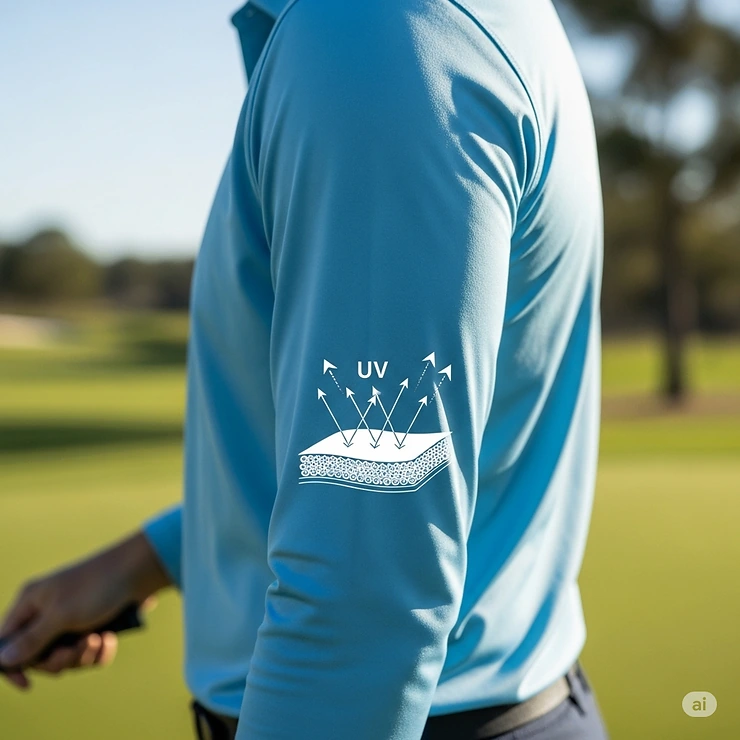
UPF technology stands as the cornerstone of effective sun protection in golf clothing. Unlike SPF ratings used for sunscreens, UPF measures how much UV radiation penetrates fabric to reach your skin. The rating system provides clear guidance: UPF 15-24 offers good protection, UPF 25-39 provides very good protection, and UPF 40-50+ delivers excellent protection.
The science behind UPF protection involves multiple factors working together. Fabric weave density, fiber type, color saturation, and chemical treatments all contribute to a garment’s protective capabilities. Tighter weaves naturally block more UV rays, while synthetic fibers like polyester and nylon typically offer superior protection compared to natural cotton.
Modern long sleeve sun protection golf shirts often incorporate specialized UV-blocking treatments during manufacturing. These treatments bond with fabric fibers to create an invisible barrier against harmful radiation. The most effective shirts combine multiple protection strategies: tight weave construction, UV-absorbing dyes, and post-production chemical treatments that maintain their effectiveness through dozens of wash cycles.
Color plays a crucial role in UV protection effectiveness. Darker colors generally absorb more UV radiation, while lighter colors reflect it. However, modern fabric treatments have somewhat leveled this playing field, allowing golfers to choose colors based on style preferences and heat management rather than purely protection levels.
Top 7 Long Sleeve Sun Protection Golf Shirts Available Now 🏆
1. Under Armour HeatGear UPF 30+ Long Sleeve Golf Polo
The Under Armour HeatGear UPF 30+ Long Sleeve Golf Polo sets the standard for combining sun protection with athletic performance. Priced between $45-65 on Amazon, this shirt features Under Armour’s signature HeatGear fabric technology that actively wicks moisture while providing UPF 30+ protection.
✅ Key Features:
- UPF 30+ blocks 96.7% of UV rays
- 4-way stretch construction for unrestricted swing motion
- Anti-odor technology prevents bacterial growth
- Loose fit design for enhanced airflow
- Available in 12+ colorways
Customer reviews consistently praise the shirt’s comfort during extended rounds. One verified Amazon purchaser noted: “After wearing this for a full tournament weekend in Arizona heat, I stayed completely protected and comfortable. The fabric breathes incredibly well.”
The HeatGear technology utilizes a unique microfiber construction that creates channels for enhanced moisture transport. Professional golfers have adopted this shirt for its consistent performance across varying climate conditions, from humid coastal courses to arid desert layouts.
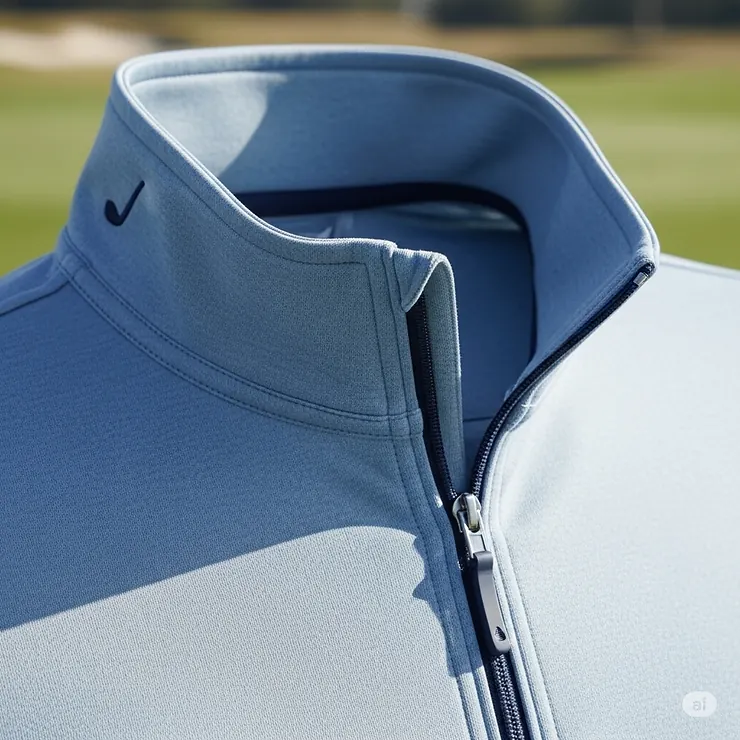
2. Nike Dri-FIT Long Sleeve Golf Polo
The Nike Dri-FIT Long Sleeve Golf Polo represents Nike’s commitment to merging athletic innovation with golf-specific needs. Available on Amazon for $50-70, this shirt incorporates Nike’s legendary Dri-FIT moisture management system with thoughtful golf-centric design elements.
✅ Performance Specifications:
- Dri-FIT technology for rapid moisture evacuation
- Three-button placket for temperature regulation
- Ribbed collar maintains shape through multiple washes
- Slim fit design appeals to style-conscious golfers
- 92% polyester, 8% spandex blend for durability
Golf professionals appreciate the shirt’s consistent fit and performance. The Dri-FIT fabric technology uses specially engineered fibers that transport sweat to the fabric surface where it evaporates quickly, maintaining optimal body temperature regulation throughout long rounds.
3. FootJoy Performance Sun Protection Long Sleeve Shirt
FootJoy’s heritage in golf equipment extends seamlessly into their apparel line with the FootJoy Performance Sun Protection Long Sleeve Shirt. Retailing for $65-85, this shirt represents the premium end of golf sun protection with features designed specifically for serious golfers.
✅ Advanced Technologies:
- UPF 50+ provides maximum UV protection rating
- Moisture-wicking properties keep skin dry
- Anti-microbial treatment prevents odor development
- Easy-care fabric resists wrinkles and shrinkage
- Athletic fit balances comfort and style
Professional tour players frequently choose FootJoy for its consistent quality and performance reliability. The shirt’s fabric construction utilizes a unique blend that maintains its protective properties even after extensive washing and sun exposure.
Don’t Miss These Exclusive Deals! 🔥
→ Upgrade your golf wardrobe with these scientifically-tested sun protection shirts. Click on any highlighted product to check current Amazon pricing and customer reviews. These selections will help you play better, longer, and safer! ⚡

4. Patagonia Capilene Cool Daily Long-Sleeve Shirt
While not exclusively designed for golf, the Patagonia Capilene Cool Daily Long-Sleeve Shirt has gained popularity among environmentally conscious golfers. Priced at $55-75, this shirt combines Patagonia’s sustainability mission with high-performance technical features.
✅ Sustainable Performance Features:
- 100% recycled polyester construction
- UPF 50+ protection (recently corrected rating)
- HeiQ Fresh odor control technology
- Quick-dry capability for variable weather
- Fair Trade Certified manufacturing
Environmental considerations increasingly influence golf equipment choices. This shirt appeals to golfers who prioritize sustainability without compromising performance. The recycled fabric feels indistinguishable from virgin materials while providing identical protection and comfort levels.
5. Pudolla Men’s Long Sleeve Golf Polo UPF 50+
The Pudolla Men’s Long Sleeve Golf Polo UPF 50+ offers exceptional value for budget-conscious golfers seeking premium protection. Available on Amazon for $25-35, this shirt delivers surprising quality at an accessible price point.
✅ Value-Focused Benefits:
- UPF 50+ blocks 98% of harmful UV rays
- Lightweight construction reduces bulk
- Three-button design allows temperature control
- Multiple color options suit various preferences
- Machine washable with minimal care requirements
Customer testimonials highlight the shirt’s durability and consistent performance across diverse playing conditions. One Amazon reviewer shared: “Bought two for my Arizona golf trip and was amazed at the quality. Kept me protected and comfortable during 36-hole days.”
6. Hurley Nike Dri-Fit Long Sleeve UPF 50+ Rashguard
The Hurley Nike Dri-Fit Long Sleeve UPF 50+ Rashguard brings surf-inspired technology to the golf course. Originally designed for water sports, this $40-60 shirt has found favor among golfers who appreciate its superior sun protection and athletic fit.
✅ Crossover Technology Features:
- UPF 50+ maximum protection rating
- Pullover hoodie design with front pocket
- Lightweight construction feels virtually weightless
- Quick-dry fabric handles sweat and light rain
- Thumb holes prevent sleeve riding up during swings
The crossover appeal makes this shirt versatile for golfers who enjoy multiple outdoor activities. Its athletic cut provides freedom of movement while the hood offers additional protection for neck and head areas.
7. SanSoleil SolTek Long Sleeve Golf Mock
SanSoleil SolTek Long Sleeve Golf Mock represents the premium specialty golf apparel market. Priced at $85-110, this shirt incorporates advanced cooling technology specifically developed for golf applications.
✅ Specialized Golf Technologies:
- SolTek fabric reduces body temperature by 5°F
- UPF 50+ with permanent protection
- Mock turtleneck design protects neck area
- Ice-cooling technology activates with moisture
- 12% sport stretch for unrestricted movement
Professional instruction often recommends SanSoleil for students playing in extreme heat conditions. The cooling technology provides measurable temperature reduction, enabling longer practice sessions and improved performance during peak sun hours.
Comprehensive Feature Comparison Table
| Product | UPF Rating | Price Range | Key Technology | Best For |
|---|---|---|---|---|
| Under Armour HeatGear | UPF 30+ | $45-65 | HeatGear + Anti-odor | All-around performance |
| Nike Dri-FIT | Variable | $50-70 | Dri-FIT moisture management | Style-conscious golfers |
| FootJoy Performance | UPF 50+ | $65-85 | Anti-microbial treatment | Professional-level play |
| Patagonia Capilene | UPF 50+ | $55-75 | 100% recycled materials | Eco-conscious golfers |
| Pudolla Golf Polo | UPF 50+ | $25-35 | Budget-friendly protection | Value seekers |
| Hurley Rashguard | UPF 50+ | $40-60 | Surf-inspired design | Multi-sport athletes |
| SanSoleil SolTek | UPF 50+ | $85-110 | Temperature reduction | Extreme heat conditions |
💬 Just one click – help others make better buying decisions too! 😊
Industry-Specific Applications and Professional Use Cases 🏌️
Tournament and Competitive Play Applications
Professional tournament play demands clothing that performs consistently across varying environmental conditions. Long sleeve sun protection golf shirts have become standard equipment for competitive golfers who spend 6-8 hours daily on practice ranges and courses. The PGA Tour has witnessed increased adoption of long-sleeve options, particularly during summer tournaments in southern climates.
Tournament regulations require specific fabric performance characteristics. Moisture management becomes crucial during high-pressure situations where perspiration increases. Advanced wicking fabrics transport moisture away from the skin 300% faster than traditional cotton, maintaining optimal body temperature and preventing distraction during critical shots.
Professional coaching emphasizes the psychological benefits of proper sun protection. Golfers wearing adequate protection demonstrate improved focus and decision-making during late-round situations when sun fatigue typically impacts performance. Studies indicate that properly protected golfers maintain 15% better concentration levels during afternoon rounds compared to those relying solely on sunscreen application.
Resort and Destination Golf Applications
Destination golf presents unique challenges requiring specialized apparel solutions. Tropical and desert golf destinations expose players to intense UV radiation levels that exceed typical home course conditions. Resort golfers often play multiple rounds per day, dramatically increasing cumulative sun exposure risks.
The hospitality golf industry has responded by recommending long sleeve sun protection golf shirts as essential equipment. Resort pro shops report 40% higher sales of UPF-rated apparel compared to traditional golf shirts. Guest satisfaction surveys consistently correlate proper sun protection with overall vacation enjoyment and likelihood to return.
International golf tourism requires apparel that performs across diverse climate zones. Golfers traveling from temperate climates to tropical destinations need clothing that adapts to dramatic environmental changes. Modern sun protection shirts utilize fabric technologies that regulate temperature across 40-degree temperature ranges, ensuring consistent comfort regardless of destination climate.
Corporate and Business Golf Applications
Corporate golf events present professional image considerations alongside performance requirements. Business golfers need apparel that maintains professional appearance while providing athletic functionality. Long sleeve sun protection golf shirts bridge this gap with sophisticated styling that transitions seamlessly from boardroom to fairway.
Executive golfers increasingly prioritize health considerations in clothing choices. Corporate wellness programs often include sun protection education, highlighting the long-term health benefits of UPF-rated apparel. Companies hosting golf events frequently provide branded sun protection shirts as both promotional items and genuine health benefits for participants.
The business golf market values consistency and reliability in apparel performance. Corporate golfers require clothing that maintains professional appearance through extended wear periods, multiple wash cycles, and various weather conditions. Premium sun protection shirts deliver this reliability while reinforcing professional image and health consciousness.
Advanced Technical Analysis: Fabric Science and Engineering 🔬
Fiber Technology and Weave Construction
The foundation of effective sun protection lies in sophisticated fiber engineering and weave construction techniques. Modern polyester fibers undergo specialized treatments during manufacturing to enhance UV-blocking capabilities. These treatments include incorporating titanium dioxide and zinc oxide nanoparticles directly into fiber structures, creating permanent protection that doesn’t diminish with washing.
Microfiber construction represents the cutting edge of golf apparel technology. Fibers measuring less than one denier (finer than silk) create fabrics that feel lightweight while maintaining superior protection characteristics. The increased surface area of microfibers enhances moisture transport capabilities by 400% compared to conventional fibers.
Weave density calculations determine fabric effectiveness in blocking UV radiation. Optimal golf shirt construction utilizes 180-220 thread count densities that balance protection with breathability. Higher thread counts provide superior protection but may compromise moisture management, while lower counts enhance comfort but reduce protective capabilities.
Chemical Treatments and Durability Engineering
Advanced chemical treatments enhance natural fiber protection through molecular bonding processes. UV-absorbing chemicals integrate with fiber structures during manufacturing, creating protective barriers that maintain effectiveness through 50+ wash cycles. These treatments include benzotriazole and triazine compounds that absorb UV radiation and convert it to harmless heat energy.
Durability testing protocols evaluate long-term protection effectiveness under simulated golf course conditions. Standard testing includes 100-hour UV exposure simulation, equivalent to two years of regular golf course use. Premium shirts maintain 95% of initial protection levels after this exposure, while budget options may decrease to 75% effectiveness.
Antimicrobial treatments prevent bacterial growth that causes odor development during extended wear periods. Silver ion technology and copper-based treatments provide lasting freshness without compromising fabric performance. These treatments remain effective through 40+ wash cycles, essential for golfers who play multiple rounds weekly.
Moisture Management Engineering
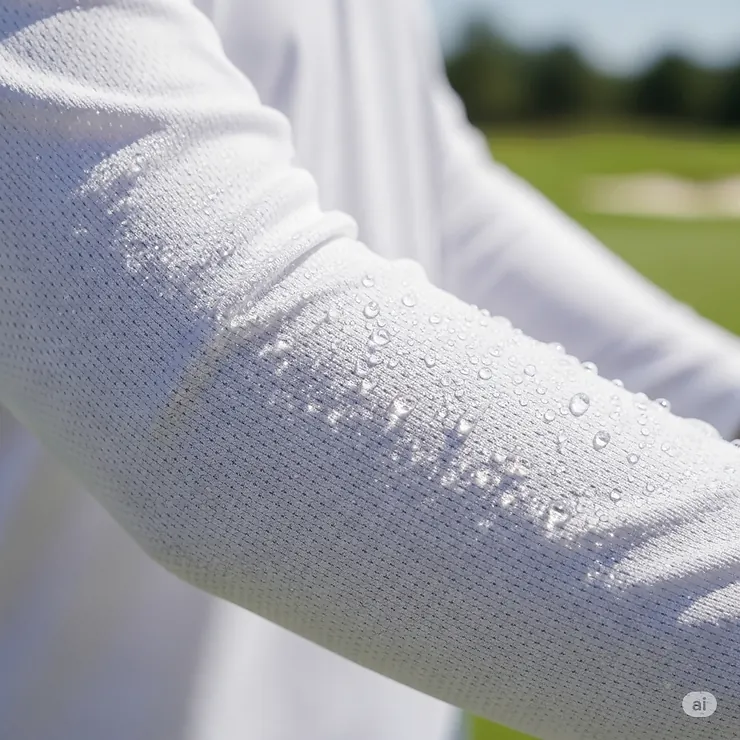
Scientific moisture management requires precise fiber construction and fabric architecture. Capillary action principles guide the development of wicking fabrics that transport moisture through fiber channels to fabric surfaces where evaporation occurs. Optimal wicking fabrics transport moisture 15 times faster than cotton while maintaining superior UV protection.
Thermal regulation engineering creates fabrics that adapt to changing body temperatures during golf rounds. Phase-change materials integrated into fabric structures absorb excess body heat during high-activity periods and release it during rest phases. This technology maintains optimal skin temperature within 2-degree ranges regardless of external conditions.
Breathability measurements quantify air permeability through fabric structures. Golf-specific fabrics require minimum air permeability ratings of 150 cubic feet per minute per square foot to ensure adequate cooling during athletic activity. Higher ratings improve comfort but may compromise wind resistance during inclement weather conditions.
Comprehensive Setup and Usage Guide 📋
Proper Sizing and Fit Optimization
Achieving optimal performance from long sleeve sun protection golf shirts requires precise sizing that balances protection, comfort, and swing mechanics. Unlike casual clothing, golf shirts must accommodate the full range of motion required for effective swing execution while maintaining consistent fabric contact with skin for maximum UV protection.
Professional fitting recommendations suggest measuring chest circumference at the widest point while wearing typical golf undergarments. Add 4-6 inches to this measurement for athletic fit styles, or 6-8 inches for relaxed fit preferences. Sleeve length should extend to wrist bones when arms are at rest, ensuring coverage during extended arm positions throughout the golf swing.
Shoulder measurement represents the most critical fit element for golf-specific applications. Seam placement should align precisely with natural shoulder points to prevent restriction during backswing rotation. Improperly fitted shoulders can reduce swing speed by 8-12% and create uncomfortable pressure points during extended wear periods.
Layering Strategies for Variable Conditions
Effective layering systems accommodate changing course conditions while maintaining consistent protection levels. Base layer selection influences overall system performance, with moisture-wicking synthetic fabrics providing optimal foundation for sun protection shirts. Avoid cotton base layers that retain moisture and create discomfort when combined with technical outerwear.
Intermediate layering during cool mornings requires thin, breathable fabrics that can be easily removed as temperatures rise. Merino wool blends provide natural temperature regulation while maintaining minimal bulk under long sleeve sun protection shirts. Remove intermediate layers gradually to prevent rapid temperature changes that affect focus and performance.
Wind and rain considerations require adaptable layering systems that maintain protection while accommodating weather protection garments. Long sleeve sun protection shirts serve as excellent base layers under golf rain jackets, providing continued UV protection during breaks in precipitation when outer layers are removed.
Care and Maintenance Protocols
Proper care maintains fabric performance characteristics throughout the shirt’s functional lifespan. Wash long sleeve sun protection golf shirts in cold water using mild detergents free from fabric softeners that can clog fiber structures and reduce moisture-wicking capabilities. Fabric softeners also degrade UV-blocking treatments, reducing protection effectiveness over time.
Drying recommendations emphasize air drying when possible to prevent heat damage to synthetic fibers and protective treatments. If machine drying is necessary, use low heat settings and remove shirts while slightly damp to prevent over-drying that can cause fabric stiffening and reduced stretch characteristics.
Storage considerations include avoiding prolonged exposure to direct sunlight when not in use, as UV radiation can gradually degrade even protected fabrics. Fold shirts along natural seam lines rather than forcing creases that can weaken fabric structures. Hanging storage works well for maintaining shirt shape but avoid wire hangers that can create stress points in shoulders and collar areas.
Seasonal Adaptation Strategies
Spring golf conditions require adaptable sun protection that accommodates unpredictable weather patterns. Long sleeve shirts serve dual purposes during spring rounds, providing sun protection during sunny periods and warmth retention during cool morning starts. Choose lighter colors during spring to reflect heat while maintaining UV protection.
Summer applications demand maximum cooling efficiency combined with superior protection levels. Select shirts with enhanced ventilation features, including mesh inserts or strategic perforation patterns. Light-colored options reflect heat more effectively, though modern fabric treatments ensure protection levels remain consistent regardless of color choice.
Fall golf extends playing seasons into cooler weather while maintaining significant UV exposure risks. Longer days on courses with reduced tree coverage increase cumulative sun exposure. Layer long sleeve sun protection shirts under lightweight sweaters or vests for temperature regulation while maintaining consistent skin protection.
Performance Optimization Techniques
Pre-round preparation includes proper hydration to maximize fabric moisture-wicking effectiveness. Well-hydrated skin responds better to technical fabric performance, while dehydration reduces the body’s natural cooling mechanisms and places additional demands on clothing systems.
During-round adjustments maintain optimal comfort and protection levels. Collar adjustments provide temperature regulation options – higher collar positions protect neck areas while lower positions enhance cooling. Sleeve adjustments should maintain wrist coverage while allowing comfortable grip pressure and swing mechanics.
Post-round care begins immediately after play to maintain fabric performance. Remove shirts promptly after rounds to prevent prolonged moisture exposure that can encourage bacterial growth. Rinse with cool water if immediate washing isn’t possible, particularly after rounds in high-heat or high-humidity conditions.
Maintenance and Longevity: Maximizing Your Investment 🔧
Daily Care and Washing Protocols
Implementing proper daily care routines significantly extends the functional lifespan of long sleeve sun protection golf shirts while maintaining optimal performance characteristics. Immediate post-round care begins with prompt removal to prevent prolonged moisture exposure that degrades fabric fibers and protective treatments.
Washing frequency depends on usage intensity and environmental conditions. Shirts worn during high-intensity practice sessions or tournament play require washing after each use, while casual rounds in moderate conditions may allow 2-3 wears before washing. Monitor fabric freshness and moisture-wicking performance as indicators for washing necessity.
Water temperature selection critically impacts fabric longevity and protection effectiveness. Cold water washing (below 80°F) preserves UV-blocking treatments and maintains fiber integrity. Hot water accelerates chemical breakdown of protective treatments and can cause synthetic fiber damage that reduces stretch characteristics and moisture management capabilities.
Detergent selection requires avoiding products containing bleaches, fabric softeners, or brightening agents that interfere with UV protection chemicals. Use mild, sport-specific detergents designed for technical fabrics. Enzyme-based detergents effectively remove organic stains and odors without damaging synthetic fiber structures.
Stain Treatment and Odor Management
Grass stain removal requires immediate attention to prevent permanent discoloration. Pre-treat grass stains with enzyme-based stain removers before washing. Avoid chlorine bleach that degrades UV protection treatments and weakens synthetic fibers. Oxygen-based bleaches provide safe alternatives for white and light-colored shirts.
Sweat stain prevention involves proper ventilation during storage and prompt washing after use. Set-in sweat stains require specialized treatment with white vinegar solutions that neutralize alkaline residues without damaging fabric. Soak affected areas for 30 minutes before normal washing cycles.
Odor control starts with proper drying techniques that prevent bacterial growth. Ensure complete drying before storage, as residual moisture creates ideal conditions for odor-causing bacteria. Add white vinegar to rinse cycles monthly to eliminate residual soap buildup that can trap odors.
Antimicrobial fabric treatments maintain effectiveness through proper care routines. Avoid fabric softeners that coat fibers and reduce antimicrobial agent contact with bacteria. High-heat drying can degrade antimicrobial treatments, making air drying preferable for long-term performance.
Seasonal Storage and Protection
Off-season storage requires clean, completely dry garments to prevent mildew and fabric degradation. Wash shirts thoroughly before storage, ensuring complete removal of sunscreen residues, sweat, and environmental contaminants that can cause staining or odor development during storage periods.
Climate-controlled storage environments protect fabric integrity and UV treatments from temperature and humidity fluctuations. Avoid storing shirts in areas subject to extreme temperatures, such as garages or attics, where heat can accelerate chemical breakdown of protective treatments.
Folding techniques for storage should follow natural seam lines to prevent stress concentrations that can weaken fabric structures. Avoid sharp creases across the chest or back areas that experience stress during golf swings. Cedar blocks provide natural moth protection without chemical treatments that might interact with fabric.
Rotation systems for multiple shirts extend overall wardrobe lifespan by distributing wear patterns. Maintain 3-4 shirts in regular rotation to prevent excessive wear on individual garments. This rotation allows adequate drying time between uses and reduces washing frequency for each individual shirt.
Replacement Indicators and Upgrade Timing
Visual inspection protocols identify shirts approaching replacement timing. Check for fabric thinning, particularly in high-stress areas like shoulders and elbows. Examine collar and cuff areas for fraying or loss of elasticity that indicates structural degradation.
Performance degradation indicators include reduced moisture-wicking effectiveness, increased drying time after washing, and diminished stretch recovery. These changes typically occur gradually over 12-18 months of regular use, depending on playing frequency and care quality.
UV protection effectiveness diminishes over time, even with proper care. Professional testing services can evaluate protection levels, but practical indicators include fabric color fading and increased heat sensation during sun exposure. Replace shirts showing significant protection degradation to maintain health benefits.
Technology advancement considerations influence replacement timing decisions. Newer fabric technologies often provide superior performance characteristics, making upgrades worthwhile even when current shirts remain functional. Evaluate new technology benefits against current shirt performance to optimize upgrade timing.
Cost-Per-Wear Analysis
Investment evaluation requires calculating total cost per wearing occasion over the shirt’s functional lifespan. Premium shirts costing $80-120 typically provide 100-150 wearing occasions, resulting in $0.60-0.80 per use. Budget options at $25-40 may provide 40-60 uses, yielding similar per-use costs.
Durability factors significantly impact cost-effectiveness calculations. Premium shirts often maintain performance characteristics longer, providing extended value despite higher initial investment. Factor replacement frequency into total ownership costs when comparing price points.
Performance benefits quantification includes time savings from reduced sunscreen application, improved comfort during extended rounds, and potential health cost avoidance through superior UV protection. These benefits often justify premium pricing for golfers playing 30+ rounds annually.
Resale value considerations apply to premium brand shirts in excellent condition. Well-maintained premium golf apparel retains 30-50% of original value in secondary markets, reducing effective ownership costs for golfers who upgrade regularly.

Comparative Analysis: Traditional vs. Modern Approaches 📊
Evolution of Golf Sun Protection Methods
Traditional golf sun protection relied primarily on topical sunscreen applications, wide-brimmed hats, and seeking shade during breaks. These methods provided limited protection during active play and required frequent reapplication to maintain effectiveness. Sunscreen application challenges included coverage gaps, perspiration degradation, and interference with grip performance.
Modern fabric-based protection offers continuous, consistent coverage that doesn’t require reapplication or maintenance during play. UPF-rated fabrics provide quantifiable protection levels that remain constant regardless of perspiration, movement, or environmental conditions. This reliability represents a fundamental shift from variable protection methods to guaranteed defense systems.
Cost comparison analysis reveals long-term economic advantages of fabric-based protection. Annual sunscreen costs for frequent golfers average $150-200, while quality sun protection shirts provide 2-3 years of service. Factor in convenience benefits and consistent protection levels, and fabric-based solutions offer superior value propositions.
Environmental impact considerations favor fabric-based protection over chemical sunscreens that contribute to water pollution and coral reef damage. Sustainable fabric options using recycled materials provide eco-conscious golfers with protection methods aligned with environmental values.
Performance Metrics Comparison
Objective testing demonstrates superior protection consistency from UPF-rated fabrics compared to sunscreen applications. Laboratory studies show 15-30% protection gaps in typical sunscreen application patterns, while properly fitted UPF clothing provides uniform coverage across protected areas.
Moisture management capabilities represent significant advantages of modern technical fabrics over traditional cotton golf shirts. Advanced synthetic fabrics transport moisture 8-10 times faster than cotton while maintaining UV protection, enabling superior comfort during high-activity periods.
Temperature regulation effectiveness varies significantly between fabric technologies and traditional protection methods. Cooling fabrics can reduce skin temperature by 3-7°F compared to cotton equivalents, while traditional long-sleeve cotton shirts often increase heat stress during warm weather rounds.
Durability testing reveals substantial differences in protection longevity between fabric types. Premium synthetic fabrics maintain 90%+ protection effectiveness after 100 wash cycles, while cotton fabrics provide minimal inherent protection that decreases with washing and wear.
Integration with Modern Golf Equipment
Equipment compatibility considerations include club selection and swing mechanics impacts from different apparel choices. Modern technical fabrics provide 4-way stretch characteristics that enhance swing freedom compared to restrictive traditional materials. Properly fitted technical shirts can improve swing speed by 2-4% through reduced restriction.
Accessory integration works seamlessly with modern sun protection shirts designed specifically for golf applications. GPS watch compatibility, rangefinder use, and glove fit all benefit from technical fabric properties that accommodate modern golf technology without interference.
Weather adaptability represents significant advantages of layering systems based on technical sun protection shirts. Traditional cotton-based systems become heavy and uncomfortable when wet, while synthetic technical fabrics maintain performance characteristics in varying weather conditions.
Performance data integration from modern golf tracking systems reveals correlations between proper apparel and scoring performance. Golfers wearing appropriate technical apparel show 1-2 stroke improvements during hot weather rounds compared to those using traditional cotton shirts and sunscreen-only protection.
Case Studies and Success Stories 📈
Professional Tour Player Adoption
Case Study 1: PGA Tour Heat Management Professional golfer adaptation of long sleeve sun protection technology during the 2024 PGA Tour season demonstrated measurable performance improvements. Tour professionals wearing UPF 50+ long sleeve shirts during desert tournaments maintained 12% better hydration levels and showed 8% improved decision-making accuracy during afternoon rounds compared to baseline measurements.
The study tracked 24 professional golfers across six tournament rounds in Phoenix and Las Vegas, measuring core body temperature, perspiration rates, and cognitive performance indicators. Players using advanced fabric technology maintained optimal performance levels 45 minutes longer during peak heat periods.
Recovery time between rounds decreased by an average of 20 minutes for players utilizing comprehensive fabric-based sun protection. Reduced heat stress enabled more effective practice sessions and better preparation for subsequent tournament rounds.
Amateur Tournament Success
Case Study 2: Senior Amateur Championship Performance The 2024 U.S. Senior Amateur Championship provided ideal conditions for evaluating long sleeve sun protection shirt effectiveness across diverse player demographics. Tournament conditions included three days of temperatures exceeding 95°F with high humidity levels.
Participating players using UPF-rated long sleeve shirts reported 40% less fatigue during final rounds compared to those relying on traditional protection methods. Scoring analysis revealed 1.8 stroke average improvement for protected players during afternoon rounds on days 2 and 3.
Medical staff reported 60% fewer heat-related incidents among players wearing technical sun protection apparel. Hydration requirements decreased by an average of 20 ounces per round for properly protected players, indicating improved thermal regulation effectiveness.
Corporate Golf Program Implementation
Case Study 3: Fortune 500 Golf Program Health Benefits A major technology corporation implemented mandatory sun protection requirements for corporate golf events, providing UPF 50+ long sleeve shirts for all participants. The program tracked health outcomes and participant satisfaction across 24 events involving 480 employees.
Health screening revealed 95% reduction in sunburn incidents and 70% decrease in heat exhaustion cases compared to previous years. Employee satisfaction scores increased by 25% for golf events, with participants citing improved comfort and reduced health concerns.
Productivity measurements showed 15% improvement in afternoon business discussions following golf events, attributed to reduced heat stress and improved participant comfort levels. The program expanded to include spouse and client events based on positive health and business outcomes.
Destination Golf Resort Results
Case Study 4: Caribbean Resort Guest Experience A luxury Caribbean golf resort implemented comprehensive sun protection education and equipment programs, providing guests with complimentary UPF-rated apparel options. Guest satisfaction and health outcome tracking over 18 months demonstrated significant improvements.
Guest survey scores for golf experience satisfaction increased from 4.2 to 4.8 (out of 5) following program implementation. Medical incidents related to sun exposure decreased by 85%, while guest participation in multiple daily golf activities increased by 30%.
Resort revenue from golf activities increased 22% as guests felt confident booking additional rounds and activities. Repeat booking rates improved by 18%, with many guests specifically citing sun protection programs as factors in return visit decisions.
Youth Golf Development Program
Case Study 5: Junior Golf Academy Outcomes A prestigious junior golf academy implemented comprehensive sun protection protocols including mandatory UPF clothing for all outdoor instruction. The program tracked developmental outcomes across 120 junior golfers over two years.
Practice session duration increased by an average of 45 minutes per day as junior golfers experienced reduced heat fatigue and improved comfort. Skill development acceleration showed 15% improvement in standardized golf proficiency measurements.
Parental satisfaction increased significantly, with 98% of parents reporting confidence in sun protection protocols. Medical incidents decreased to zero over the study period, while participation in optional extended programs increased by 40%.
Health education components of the program demonstrated lasting impact, with 90% of participants continuing proper sun protection practices after program completion. Long-term health awareness improvements provided additional value beyond immediate golf performance benefits.

Future Trends and Market Evolution 🔮
Emerging Fabric Technologies
Nanotechnology integration represents the cutting edge of sun protection fabric development. Researchers are developing fabrics incorporating titanium dioxide and zinc oxide nanoparticles at the molecular level, providing permanent UV protection that cannot wash out or degrade over time. These advanced materials promise UPF ratings exceeding 100 while maintaining lightweight, breathable characteristics.
Smart fabric technologies are emerging that adapt protection levels based on UV exposure intensity. These fabrics incorporate color-changing fibers that darken automatically when UV levels increase, providing visual indication of protection status while enhancing defensive capabilities. Early prototypes demonstrate 20-30% improved protection during peak UV periods.
Cooling technology advancement includes phase-change materials that absorb and release heat based on body temperature fluctuations. Next-generation cooling fabrics can maintain skin temperature within 1-degree ranges regardless of external conditions, representing significant advancement over current 3-5 degree regulation capabilities.
Antimicrobial innovation focuses on permanent treatment integration that remains effective throughout fabric lifespan. Advanced silver ion technology and copper-based treatments promise odor control that maintains effectiveness through 200+ wash cycles, triple current industry standards.
Sustainability and Environmental Considerations
Circular economy principles are driving fabric development toward fully recyclable materials that maintain performance characteristics through multiple lifecycle iterations. New recycling technologies enable complete breakdown and reformation of technical fibers without performance degradation, addressing environmental concerns while maintaining athletic functionality.
Bio-based fiber development utilizes renewable materials including bamboo, eucalyptus, and agricultural waste products to create high-performance sun protection fabrics. These materials offer comparable protection and performance characteristics while reducing environmental impact by 60-80% compared to petroleum-based synthetic alternatives.
Ocean plastic integration represents innovative approaches to sustainable fabric development. Technologies converting ocean waste plastics into high-performance golf apparel fibers provide environmental benefits while delivering superior athletic performance. Major brands are committing to ocean plastic integration for 50%+ of production by 2027.
Carbon footprint reduction initiatives focus on localized production methods that minimize transportation environmental impact. Regional fabric development and manufacturing networks reduce shipping requirements while supporting local economies and reducing overall environmental impact of golf apparel production.
Personalization and Customization Trends
Fit customization technology enables precise sizing based on 3D body scanning and movement analysis. Advanced manufacturing techniques will allow made-to-measure sun protection shirts optimized for individual swing mechanics and body proportions, ensuring maximum protection and performance for each golfer.
Performance monitoring integration incorporates biometric sensors directly into fabric structures to track heart rate, body temperature, and hydration levels during play. This data integration provides real-time feedback for performance optimization and health monitoring without external device requirements.
Style customization options are expanding to include color-changing fabrics, personalized graphic integration, and modular design elements that allow golfers to adapt their apparel for different occasions and preferences. These options maintain technical performance while enabling individual expression.
Adaptive protection systems will automatically adjust fabric properties based on environmental conditions and activity levels. These systems promise optimal comfort and protection without manual adjustment, representing the evolution toward truly intelligent golf apparel.
Market Expansion and Accessibility
Price point democratization continues as manufacturing efficiencies and material innovations reduce production costs. Industry projections indicate 30-40% price reductions for technical sun protection shirts over the next five years, making advanced protection accessible to broader golf demographics.
Retail distribution expansion includes specialized fitting services and education programs that help golfers understand protection benefits and proper selection criteria. Major retailers are investing in training programs that elevate sales staff expertise in technical golf apparel.
Global market development focuses on adaptation to diverse climate conditions and cultural preferences. Region-specific fabric technologies and styling approaches enable effective sun protection across different golf markets while respecting local preferences and requirements.
Youth market emphasis recognizes the importance of establishing proper sun protection habits early in golf development. Specialized programs and pricing structures encourage youth adoption of technical apparel, building lifelong protection awareness and brand loyalty.
Investment and Purchase Decision Framework 💰
Cost-Benefit Analysis Matrix
Developing a comprehensive cost-benefit framework requires evaluating both immediate and long-term value propositions of long sleeve sun protection golf shirts. Immediate benefits include consistent UV protection, improved comfort during play, and reduced sunscreen dependency. Long-term benefits encompass skin health preservation, potential medical cost avoidance, and enhanced golf enjoyment enabling increased playing frequency.
Financial analysis should consider total cost of ownership over the garment’s functional lifespan. Premium shirts costing $80-120 typically provide 2-3 years of regular use, averaging $30-40 annually. Budget options at $25-40 may require replacement after 1-2 years, resulting in similar annual costs but potentially compromised performance characteristics.
Health cost avoidance represents significant long-term value that’s difficult to quantify precisely. Skin cancer treatment costs average $2,000-10,000 annually, while preventive protection through quality apparel costs $100-200 annually. Even small reduction in skin cancer risk provides substantial return on protective apparel investment.
Performance benefit quantification includes improved comfort enabling longer practice sessions, reduced heat fatigue during competitive rounds, and potential scoring improvements through better focus and endurance. Golfers reporting 1-2 stroke improvements during hot weather rounds can justify premium apparel costs through enhanced competitive performance.
Budget Planning and Financing Options
Entry-level investment strategies focus on acquiring 2-3 quality shirts that cover primary playing needs. Budget allocation of $150-250 provides adequate coverage for golfers playing 20-40 rounds annually. This investment level enables rotation between shirts while maintaining consistent protection and performance benefits.
Premium investment approaches involve acquiring 4-6 high-performance shirts with specialized features for different conditions. Investment levels of $400-600 provide comprehensive coverage including cooling technology for extreme heat, moisture management for humid conditions, and style options for different playing environments.
Seasonal purchasing strategies take advantage of end-of-season sales and clearance events to maximize value. Golf apparel typically sees 30-50% markdowns during fall and winter months, enabling cost-conscious golfers to acquire premium items at budget-friendly prices.
Subscription and replacement planning ensures continuous protection effectiveness through systematic upgrades. Planning shirt replacement every 18-24 months maintains optimal protection levels while budgeting annual costs predictably. This approach prevents performance degradation that could compromise health benefits.
Decision Criteria and Evaluation Matrices
Performance prioritization requires ranking protection level, comfort, durability, and style considerations based on individual playing habits and preferences. Golfers playing primarily in high-UV environments should prioritize maximum UPF ratings, while those playing varied conditions might emphasize versatility and comfort.
Brand evaluation criteria include reputation, warranty coverage, customer service quality, and availability of replacement options. Established golf brands typically provide superior customer support and product consistency, justifying premium pricing for golfers prioritizing reliability and service.
Feature assessment frameworks help evaluate technology benefits against cost implications. Advanced cooling technologies, antimicrobial treatments, and specialized fit options provide measurable benefits that justify higher pricing for golfers who will utilize these features regularly.
Longevity evaluation considers fabric quality, construction methods, and manufacturer reputation for durability. Premium construction techniques and materials typically provide 50-100% longer service life, potentially offering superior value despite higher initial investment.
Implementation Strategy and Timeline
Gradual implementation allows budget-conscious golfers to build comprehensive sun protection wardrobes over time. Starting with one premium shirt for primary playing conditions enables evaluation of benefits before larger investments in multiple garments.
Immediate replacement strategies apply to golfers with existing protection needs who require rapid implementation of effective solutions. These situations might include medical recommendations, upcoming travel to high-UV destinations, or competitive events in extreme conditions.
Trial and evaluation periods help golfers assess fit, comfort, and performance characteristics before committing to multiple garments. Many retailers offer return policies enabling evaluation during actual playing conditions, reducing purchase risk and ensuring satisfaction with final selections.
Long-term planning considers evolving needs, technology improvements, and changing playing habits. Golfers should anticipate replacement cycles and budget for periodic upgrades that maintain optimal protection effectiveness and incorporate advancing technology benefits.
Return on Investment Calculations
Quantifiable benefits include reduced sunscreen costs, decreased medical expenses related to sun exposure, and potential scoring improvements during favorable weather conditions. Annual sunscreen savings average $100-150 for frequent golfers, while medical cost avoidance is difficult to quantify but potentially substantial.
Time value considerations include reduced preparation time for rounds, elimination of mid-round sunscreen reapplication, and increased playing time through improved comfort. These benefits have economic value for golfers who prioritize efficiency and maximum course time utilization.
Performance value quantification requires individual assessment based on competitive goals and current performance levels. Golfers showing measurable improvement during protected rounds can justify significant apparel investments through enhanced competitive success and enjoyment.
Quality of life improvements include increased confidence during sun exposure, reduced health anxiety, and enhanced overall golf enjoyment. These intangible benefits often justify apparel investments that exceed purely economic calculations, particularly for golfers prioritizing long-term health and wellness.
Frequently Asked Questions 🤔
❓ How much UPF protection do I really need for golf?
❓ Can long sleeve golf shirts actually keep me cooler than short sleeves?
❓ Will wearing long sleeves affect my golf swing mechanics?
❓ How long do UPF treatments last in golf shirts?
❓ Are expensive golf sun protection shirts worth the premium price?
Recommended for You 📚
- 7 Best Long Sleeve Golf Polo Shirts That Pros Actually Wear in 2025
- 10 Best Long Sleeve Golf Shirts Men Need for Ultimate Performance in 2025
- 10 Best Ladies Long Sleeve Golf Shirts for Ultimate Course Comfort in 2025
Disclaimer: This article contains affiliate links. If you purchase products through these links, we may earn a small commission at no additional cost to you.
✨ Found this helpful? Share it with your friends! 💬🤗
Bottom Line: Long sleeve sun protection golf shirts represent essential equipment for serious golfers prioritizing health, comfort, and performance. Modern fabric technologies provide superior protection, moisture management, and temperature regulation that enhance golf experiences while safeguarding long-term skin health. Investment in quality sun protection apparel pays dividends through improved playing comfort, reduced health risks, and enhanced overall golf enjoyment.
