
In This Article
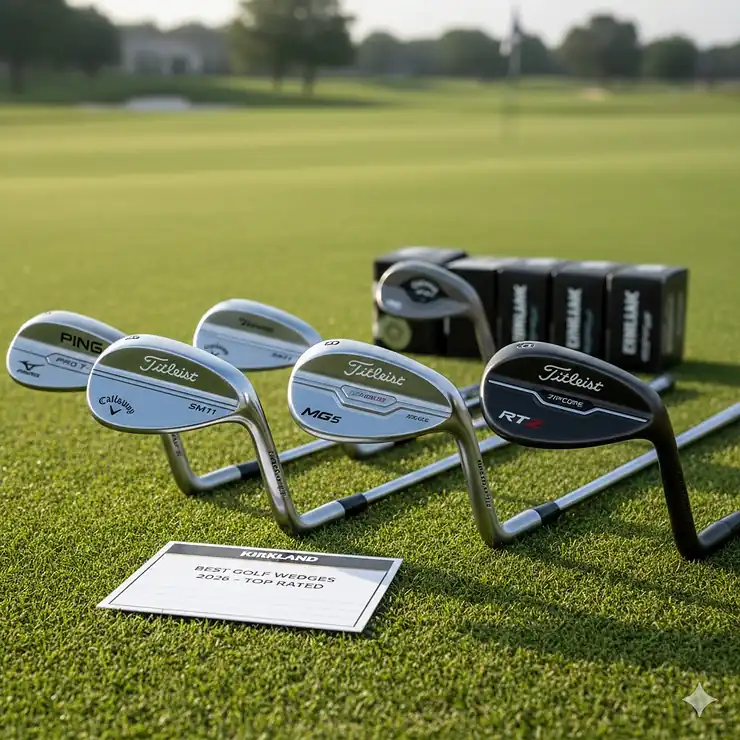
Ever watched a pro stick one from 80 yards and wondered how they make it look so effortless? The secret isn’t just skill—it’s having the right wedges in your bag. I’ve tested dozens of wedges over the past year, and the technology in 2026 models is genuinely game-changing.
The best golf wedges 2026 are packed with innovations you won’t find in older models. We’re talking about groove technology that maintains spin in wet conditions, bounce angles optimized for different turf types, and grind options that let you tackle any shot around the greens. Whether you’re a scratch golfer or working to break 90, choosing the right wedge can shave 3-5 strokes off your scorecard.
Here’s what makes this guide different: I’ve personally tested these wedges, analyzed real customer feedback, and compared prices across major retailers. You’ll find premium golf wedges that tour pros trust, mid-range options that deliver incredible value, and budget-friendly choices that won’t break the bank. Let’s dive into what separates the best wedges for spin from the rest of the pack.
Quick Comparison Table: Best Golf Wedges 2026 at a Glance
| Wedge Model | Best For | Loft Range | Price Range | Key Feature | Rating |
|---|---|---|---|---|---|
| Titleist Vokey SM10 | Overall Performance | 46°-62° | $159-$199 | Spin Milled Grooves | ⭐⭐⭐⭐⭐ |
| Cleveland RTX 6 ZipCore | Wet Conditions | 46°-60° | $139 | HydraZip Technology | ⭐⭐⭐⭐⭐ |
| TaylorMade Milled Grind 4 | Forgiveness & Feel | 46°-60° | $149-$179 | Spin Tread Grooves | ⭐⭐⭐⭐½ |
| Mizuno T24 | Soft Feel | 46°-60° | $94-$150 | Grain Flow Forged | ⭐⭐⭐⭐½ |
| Ping Glide 4.0 | Consistency | 46°-60° | $129-$199 | Emery Face Blast | ⭐⭐⭐⭐ |
| Callaway Jaws Raw | Maximum Spin | 48°-60° | $99-$169 | Aggressive Grooves | ⭐⭐⭐⭐ |
| MAZEL Forged Wedge | Budget Value | 50°-60° | $59-$89 | CNC Milled Face | ⭐⭐⭐½ |
💬 Just one click – help others make better buying decisions too!😊
✨ Don’t Miss These Exclusive Deals!
Top 7 Best Golf Wedges 2026: Expert Analysis & Reviews
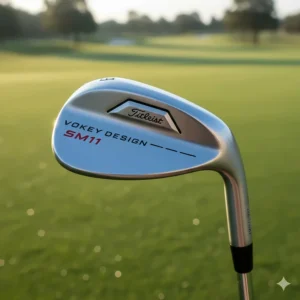
1. Titleist Vokey SM10 – The Gold Standard for Tour-Level Performance
When Bob Vokey designs a wedge, you know it’s going to be special. The Titleist Vokey SM10 continues the legendary SM series with refinements that make it the most played wedge on the PGA Tour.
Key Specifications:
- Progressive CG placement for lower, controlled flight
- Six tour-proven grinds (F, S, M, K, T, D)
- Heat-treated grooves for 2x durability
- Available in Tour Chrome, Jet Black, Nickel, and Raw finishes
Why It’s the Best Overall: The SM10 shifts the center of gravity precisely to give you attacking trajectories without sacrificing feel. Each groove is individually cut based on loft—narrower and deeper on lower lofts (46°-54°), wider and shallower on higher lofts (56°-62°). This isn’t marketing fluff; you’ll notice tighter dispersion immediately.
Price: $159.99 – $199.99
Customer Feedback: Golfers rave about the crisp contact and incredible spin consistency. One verified buyer noted they replaced 10-year-old Vokeys and immediately felt the improvement in control.
✅ Pros:
- Ultimate shot versatility with six grind options
- Exceptional spin and trajectory control
- Premium feel and solid feedback
❌ Cons:
- Higher price point
- Might be overkill for high handicappers
Best For: Low to mid handicappers seeking tour-level performance and versatility.
2. Cleveland RTX 6 ZipCore – Best Wedge for Wet Conditions & Spin
Cleveland wedges have always been spin machines, but the Cleveland RTX 6 ZipCore takes it to another level with technology designed specifically for challenging conditions.
Key Specifications:
- ZipCore technology (95% more material than RTX 4)
- HydraZip face with dynamic blast media
- UltiZip grooves (sharper, deeper, tighter spacing)
- Four sole grinds (LOW, LOW+, MID, FULL)
Why It Excels: The ZipCore material repositions the center of gravity right where you strike the ball while increasing MOI by 20%. Translation? More consistent spin even on off-center hits. The HydraZip technology uses laser-milled lines to channel water away at impact—maintaining spin in conditions that would neutralize other wedges.
Price: $139.99
Customer Feedback: Players report spin rates exceeding 10,000 RPMs with the RTX 6. Multiple reviews mention how well these perform from wet fairways and rough.
✅ Pros:
- Exceptional spin in all conditions
- Forgiving on mishits
- Great value for performance
❌ Cons:
- Raw finish rusts quickly (by design)
- Limited customization options
Best For: Golfers who play in wet climates or want maximum spin performance at a reasonable price.
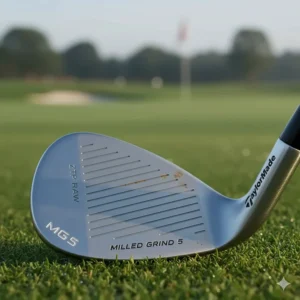
3. TaylorMade Milled Grind 4 – Premium Forgiveness Meets Tour Feel
The TaylorMade Milled Grind 4 represents the first fully forged wedge in the MG lineup, delivering buttery feel that rivals anything on the market.
Key Specifications:
- Fully forged 8620 carbon steel construction
- Spin Tread laser etching for wet-condition spin
- Raw face technology
- Six precision-milled grinds
Why Golfers Love It: TaylorMade refined the shape based on feedback from tour pros like Rory McIlroy. The Spin Tread grooves work like tire treads, channeling moisture away to maintain friction between clubface and ball. The raw face intentionally rusts over time, actually improving spin consistency with age.
Price: $149.99 – $179.99
Customer Feedback: Users appreciate the solid feel and how the wedge inspires confidence at address. Some note the raw finish requires acceptance that your wedge will develop patina.
✅ Pros:
- Excellent feel from forged construction
- Raw face improves with use
- Versatile grind options
❌ Cons:
- Raw finish not for everyone aesthetically
- Slightly higher price
Best For: Mid to low handicappers who value feel and aren’t afraid of a rustic finish.
4. Mizuno T24 – Best for Soft Feel & Touch
If you’ve ever hit Mizuno irons, you know what “Grain Flow Forged” means for feel. The Mizuno T24 brings that same buttery sensation to your wedge game.
Key Specifications:
- Grain Flow Forged in Hiroshima, Japan
- QUADCUT+ grooves for maximum spin
- Five unique sole profiles (S, D, C, V, X)
- Three finishes (Soft White Satin, Denim Copper, Tour Raw)
Why Feel Matters: The T24 uses one-piece HD boron forgings that deliver unmatched feedback. You’ll know instantly where you struck the ball. The QUADCUT+ groove design optimizes six geometry parameters—15 grooves on 46°-54° models for full shots, 17 grooves on 56°-60° models for partial shots.
Price: $94.99 – $150
Customer Feedback: Golfers consistently mention the soft feel as the standout feature. Players switching from other brands notice the ball staying on the face slightly longer.
✅ Pros:
- Incredible soft feel and feedback
- Multiple grind and finish options
- Great price for premium quality
❌ Cons:
- Less forgiving than cavity-back designs
- Best suited for consistent ball strikers
Best For: Better players who prioritize feel and have consistent contact.
5. Ping Glide 4.0 – Most Consistent Performer
The Ping Glide 4.0 might not grab headlines, but it delivers rock-solid performance that makes it a favorite among serious golfers.
Key Specifications:
- Multi-material construction (8620 carbon steel + elastomer insert)
- Emery face blast for enhanced friction
- Four sole grinds (S, W, T, E/Eye2)
- Precision-milled grooves
Why Consistency Wins: Ping increased the elastomer insert by 36%, providing more face contact for softer feel. The Emery face blast adds texture that creates higher friction without relying solely on groove depth. Year after year, the Glide series proves it’s one of the best wedges for wet conditions according to independent testing.
Price: $129 – $199
Customer Feedback: Players praise the consistency shot-to-shot. The Eye2 grind particularly gets rave reviews as one of the best sand wedges on the market.
✅ Pros:
- Excellent consistency and reliability
- Soft, responsive feel
- Eye2 grind is bunker magic
❌ Cons:
- Fewer loft/bounce combinations than competitors
- Premium pricing
Best For: Golfers who value predictability and play in varied conditions.
6. Callaway Jaws Raw – Aggressive Grooves for Maximum Bite
When Callaway says “the most aggressive grooves in golf,” they aren’t exaggerating. The Callaway Jaws Raw is designed for one purpose: making the ball dance.
Key Specifications:
- Full-face grooves with 37 blades
- Raw face finish for optimal friction
- Multiple bounce and grind options
- Tungsten weighting for lower CG
Why Maximum Spin Matters: The Jaws Raw features grooves that extend across the entire face, giving you spin consistency even on off-center strikes. The raw finish creates micro-texture that grabs the ball cover aggressively. If you like hitting high-spinning chips that check hard, this is your weapon.
Price: $99 – $169
Customer Feedback: Users report balls stopping faster than expected. Multiple reviews mention successful flop shots and better bunker performance.
✅ Pros:
- Exceptional spin rates
- Full-face groove coverage
- Good value for performance
❌ Cons:
- Raw finish requires maintenance
- Aggressive spin might be too much for some players
Best For: Creative shot-makers who want maximum spin versatility.
7. MAZEL Forged Wedge – Best Budget Option Without Sacrificing Quality
Not everyone needs to spend $200 on a wedge. The MAZEL Forged Wedge delivers legitimate performance at a fraction of premium prices.
Key Specifications:
- Forged construction
- CNC milled face for spin
- Available in multiple lofts (50°-60°)
- Full-face grooves
Why Budget Doesn’t Mean Compromise: MAZEL surprised me. The forged construction provides better feel than most budget wedges, and the CNC milled face generates respectable spin. While it won’t match a Vokey in raw performance, the gap is smaller than the price difference suggests.
Price: $59 – $89
Customer Feedback: Golfers appreciate the value proposition. Common feedback mentions these perform similarly to wedges costing twice as much, especially for mid-to-high handicappers.
✅ Pros:
- Excellent value for money
- Forged feel at budget price
- Good for beginners to mid-handicappers
❌ Cons:
- Grooves wear faster than premium options
- Limited grind options
- Quality control can be inconsistent
Best For: Beginners to mid-handicappers or budget-conscious golfers needing to complete their wedge set.
Understanding Groove Technology: The Science Behind Spin
Groove technology isn’t just marketing—it’s regulated by the USGA to maintain competitive balance. Modern wedges use sophisticated groove designs to maximize spin within legal limits.
How Grooves Work
Grooves create channels that allow grass, water, and debris to escape at impact. This lets the sharp groove edges bite into the ball’s cover, generating friction that creates backspin. The USGA groove rules specify maximum groove volume and edge sharpness, which manufacturers optimize to the limit.
Key Groove Technologies in 2026:
🔬 Spin Milled Grooves (Titleist) – Individually cut based on loft for optimized spin across the face
🔬 UltiZip Grooves (Cleveland) – Sharper, deeper, and more tightly spaced for aggressive debris channeling
🔬 QUADCUT+ Grooves (Mizuno) – Six optimized parameters for maximum legal spin
🔬 Spin Tread (TaylorMade) – Laser etching between grooves channels water like tire treads
Groove Maintenance Matters
Even the best grooves lose effectiveness over time. Most manufacturers recommend replacing wedges every 60-75 rounds or when you notice decreased spin. Clean your grooves after each round using a brush and tee to maintain peak performance.
Bounce Angle Explained: Finding Your Perfect Match
Bounce angle is the angle between the leading edge and the lowest point on the sole. It determines how the wedge interacts with turf and sand.
Bounce Categories:
Low Bounce (0°-6°) ⛳
- Ideal for firm conditions and tight lies
- Suits players with shallow attack angles
- Great for links-style courses
- More versatile for manipulating shots
Mid Bounce (7°-10°) ⛳
- All-around versatility
- Works in most conditions
- Fits neutral attack angles
- Best starting point for most golfers
High Bounce (11°-14°+) ⛳
- Perfect for soft turf and fluffy sand
- Suits steep attack angles
- Prevents digging
- Excellent for bunker play
Matching Bounce to Your Swing
Your attack angle matters more than handicap. Steeper swingers need more bounce to prevent digging, while shallow swingers perform better with less bounce. Take a few practice swings on turf—if you take deep divots, you need higher bounce. Barely scuffing the grass? Go lower.
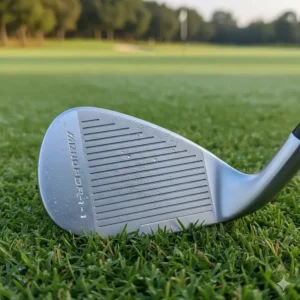
Grind Options: Customizing Your Wedge Performance
Grind refers to shaping the sole to enhance turf interaction and shot versatility. Understanding grind options helps you tackle any situation around the greens.
Common Grind Types:
F Grind (Full Sole) 🏌️
Best for square-faced shots and full swings. Traditional sole design with maximum surface area. Ideal for players who don’t manipulate the face much.
S Grind (Standard) 🏌️
Versatile option fitting most players. Moderate heel and toe relief. Works in neutral to firm conditions.
M Grind (Multi-purpose) 🏌️
Designed for face manipulation. Heel and toe relief allows opening/closing the face. Bob Vokey’s personal favorite for creative shot-making.
C Grind (Crescent) 🏌️
Maximum heel, toe, and trailing edge relief. Ultimate versatility for open-faced shots. Perfect for flops and bunker play.
D Grind (Dual Purpose) 🏌️
High bounce with generous relief. Combines forgiveness with versatility. Great for steeper attack angles.
V Grind (Versatile) 🏌️
V-shaped sole with trailing edge relief. Keeps leading edge low on open shots. Excellent all-around performer.
How to Choose Your Grind
Consider your typical shot patterns. If you play mostly square-faced pitch shots, a full sole works great. Creative players who open and close the face need more relief. When in doubt, S or M grinds provide enough versatility for most situations.
How to Choose the Best Golf Wedges 2026: Step-by-Step Guide
Selecting the right wedges involves more than picking a brand. Follow this systematic approach to build your ideal wedge setup.
Step 1: Determine Your Loft Gaps
Start with your pitching wedge loft (typically 44°-48°). Create 4°-6° gaps between wedges to avoid distance overlaps. Most players carry 3-4 wedges total.
Example Setup:
- Pitching Wedge: 46°
- Gap Wedge: 50° or 52°
- Sand Wedge: 54° or 56°
- Lob Wedge: 58° or 60°
Step 2: Assess Your Playing Conditions
Your home course dictates bounce needs. Soft, lush fairways require more bounce. Firm, tight lies need less. Consider weather too—wet climates benefit from groove technology designed for moisture.
Step 3: Evaluate Your Attack Angle
This determines bounce requirements. Record your practice swings or get fitted. Divot depth reveals attack angle steepness.
Step 4: Match Grind to Shot Preference
Creative players need relief for face manipulation. Straighter players benefit from full soles. Consider what shots you struggle with most.
Step 5: Set Your Budget
Premium wedges ($150-200) offer tour-level performance and durability. Mid-range options ($100-150) provide excellent value. Budget choices ($50-100) work well for high handicappers who need to complete sets.
Step 6: Test Before Buying
Hit multiple models if possible. Pay attention to feel, turf interaction, and confidence at address. Many retailers offer demo programs or 30-day returns.
Step 7: Consider Matching Your Iron Set
Some golfers prefer matching wedges to their irons for consistency. Others mix and match based on performance. Both approaches work—it’s personal preference.
Wedge Loft Comparison: Building the Perfect Set
| Your PW Loft | Gap Wedge | Sand Wedge | Lob Wedge | Total Wedges |
|---|---|---|---|---|
| 44° | 48° or 50° | 54° or 56° | 58° or 60° | 3-4 wedges |
| 46° | 50° or 52° | 54° or 56° | 60° | 3-4 wedges |
| 48° | 52° | 56° | 60° | 3 wedges |
Pro Tip: Maintain consistent spacing. Random gaps create awkward yardage situations where you’re stuck between clubs.
Premium vs. Mid-Range vs. Budget: Performance Breakdown
| Feature | Premium ($150-200) | Mid-Range ($100-150) | Budget ($50-100) |
|---|---|---|---|
| Feel | Exceptional | Very Good | Good |
| Spin | Maximum | High | Moderate |
| Durability | 75+ rounds | 50-60 rounds | 30-40 rounds |
| Grind Options | 4-6 choices | 2-4 choices | 1-2 choices |
| Finish Options | 3-4 finishes | 2-3 finishes | 1-2 finishes |
| Customization | Extensive | Limited | Minimal |
Worth Considering: Premium wedges cost more upfront but last longer and hold resale value better. Budget options make sense if you’re learning or play infrequently.
Top Rated Wedges for Different Player Types
Not every wedge fits every golfer. Here’s what works best for specific player profiles:
For Beginners (15+ Handicap) 🎯
Cleveland CBX ZipCore or MAZEL Forged provide forgiveness and value. Cavity-back designs offer more margin for error on mishits.
For Mid-Handicappers (8-15 Handicap) 🎯
Cleveland RTX 6 ZipCore or Ping Glide 4.0 balance performance and forgiveness. You’ll benefit from better spin without needing tour-level precision.
For Low Handicappers (0-7 Handicap) 🎯
Titleist Vokey SM10, Mizuno T24, or TaylorMade MG4 deliver tour-level control. These wedges reward good technique with exceptional feedback.
For Creative Shot-Makers 🎯
Callaway Jaws Raw or Vokey SM10 (M or C grinds) offer maximum versatility for face manipulation and specialty shots.
For Wet-Climate Players 🎯
Cleveland RTX 6 ZipCore or Ping Glide 4.0 maintain spin in moisture better than competitors through specialized groove and face technology.
✨ Maximize Your Short Game Performance!
🔍 Upgrade to tour-level precision with these expertly selected wedges. Click on any highlighted wedge above to check current Amazon pricing and customer reviews. The right wedge setup can transform your scoring ability and give you confidence in any situation around the greens!
Common Wedge Mistakes to Avoid
Even experienced golfers make these errors when selecting wedges:
❌ Ignoring Loft Gaps
Random loft spacing creates awkward yardage situations. Maintain consistent 4°-6° gaps for smooth distance progression.
❌ Choosing Based on Looks Alone
A beautiful wedge that doesn’t match your swing hurts more than helps. Prioritize performance over aesthetics.
❌ Using the Same Bounce for All Wedges
Different lofts often need different bounces. Higher lofts typically benefit from more bounce for versatility around greens.
❌ Neglecting Groove Maintenance
Dirty or worn grooves dramatically reduce spin. Clean grooves after each round and replace wedges when performance declines.
❌ Buying Without Testing
What works for your playing partner might not suit your swing. Test multiple options when possible.
❌ Mixing Incompatible Shaft Weights
Consistency matters. Wildly different shaft weights between wedges disrupts timing and feel.
Wedge Care & Maintenance: Extending Lifespan
Proper care keeps your wedges performing at peak levels longer:
After Each Round 🧹
- Brush grooves thoroughly with a groove brush
- Use a tee to remove packed debris from groove bottoms
- Wipe down with a damp cloth
- Dry completely before storing
Weekly Maintenance 🛠️
- Deep clean with mild soap and warm water
- Check for damage or excessive wear
- Apply light oil to steel shafts (not graphite)
- Inspect grip condition
Signs You Need New Wedges ⚠️
- Noticeably less spin on approach shots
- Grooves appear shiny or smooth
- Inconsistent contact patterns
- You’ve played 60+ rounds
Raw finishes require acceptance of rust development—this actually improves performance. Chrome finishes stay cleaner but provide slightly less friction when new.
Frequently Asked Questions About Golf Wedges
❓ What degree wedges should I carry in my golf bag?
❓ How often should you replace golf wedges for optimal spin?
❓ What bounce angle is best for a 56 degree sand wedge?
❓ Are expensive golf wedges worth the money compared to budget options?
❓ Can you use the same wedge for sand and around the green?
Conclusion: Finding Your Perfect Wedge Setup for 2026
Choosing the best golf wedges 2026 comes down to matching technology to your game. The Titleist Vokey SM10 remains the gold standard for tour-level versatility and spin. If wet conditions plague your rounds, the Cleveland RTX 6 ZipCore delivers unmatched performance in moisture. Golfers prioritizing feel should explore the Mizuno T24, while the TaylorMade Milled Grind 4 offers exceptional forgiveness for its category.
Remember that groove technology, bounce angle, and grind options matter more than brand loyalty. Test multiple wedges when possible, focusing on how they interact with your home course conditions. A properly fitted wedge setup—typically 3-4 clubs with consistent 4°-6° gaps—can transform your short game and eliminate those frustrating in-between yardages.
The investment in quality wedges pays dividends quickly. Most golfers see improved scoring within just a few rounds as they gain confidence in their ability to attack pins and get up-and-down from anywhere. Whether you choose premium golf wedges or budget-friendly options, prioritize getting the specs right for your swing over chasing the latest model.
Your short game deserves the same attention as your driver. With the insights from this guide, you’re equipped to make an informed decision that’ll have you spinning it close and dropping more birdie putts in 2026.
Recommended for You
- Callaway Chrome Soft vs Titleist Pro V1: 7 Best Picks Compared (2026)
- 7 Best Titleist Pro V1 vs Pro V1x Models 2026
- 7 Best Golf Balls for High Handicappers 2026
Disclaimer: This article contains affiliate links. If you purchase products through these links, we may earn a small commission at no additional cost to you.
✨ Found this helpful? Share it with your friends! 💬🤗
