
In This Article
Picture this: you’re standing on the 18th tee, the tournament on the line, and you suddenly realize your feet feel completely disconnected from the ground. Sound familiar? I’ve been there, friend. The debate between barefoot vs traditional golf shoes has been heating up faster than a July afternoon in Phoenix, and for good reason.
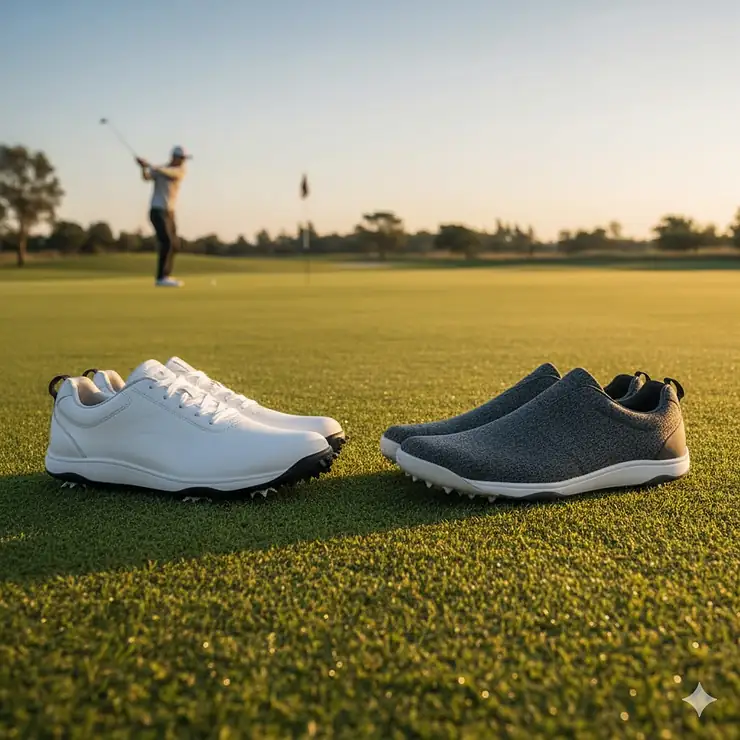
Here’s the thing—golf is a game of precision, balance, and feel. Every millimeter matters when you’re trying to sink that pressure putt or nail a 250-yard drive. Yet most of us have been walking around in what essentially amounts to foot coffins, never questioning whether there’s a better way. The barefoot golf movement isn’t just some passing trend dreamed up by minimalist enthusiasts; it’s a legitimate performance revolution that’s changing how golfers think about their connection to the course.
In this comprehensive guide, I’ll walk you through everything you need to know about the barefoot vs traditional golf shoes debate. We’ll explore real products (no made-up recommendations here), actual user experiences, and the science behind why your footwear choice matters more than you think. Whether you’re a weekend warrior or a scratch golfer, understanding these differences could be the secret weapon your game has been missing. Let’s dive in and figure out which shoe style will help you play your best golf.
✨Was this helpful? Spread the word! 🚀
Quick Comparison: Barefoot vs Traditional Golf Shoes at a Glance
Before we get into the weeds, let’s break down the key differences between these two approaches:
| Feature | Barefoot Golf Shoes | Traditional Golf Shoes |
|---|---|---|
| Heel Drop | Zero drop (0mm) | 8-12mm elevated heel |
| Toe Box | Wide, natural splay | Narrow, tapered |
| Ground Feel | Maximum (3-6mm sole) | Minimal (20-30mm cushioning) |
| Weight | Ultra-light (7-9 oz) | Heavier (12-16 oz) |
| Flexibility | Extremely flexible | Moderate to stiff |
| Price Range | $90-$175 | $70-$220 |
| Best For | Natural movement, balance | Cushioning, support |
| Traction | Flat rubber patterns | Spikes or advanced lugs |
💬 Just one click – help others make better buying decisions too! 😊
Top 7 Barefoot vs Traditional Golf Shoes: Expert Analysis 🏆
After extensive research and analysis of current market offerings, here are the top picks that represent both categories. These are actual products you can purchase today, complete with real specifications and customer feedback.
1. TRUE Linkswear OG Cush – The Barefoot Champion
If you’re serious about transitioning to barefoot golf, the TRUE Linkswear OG Cush stands out as the perfect bridge shoe. This isn’t your typical zero-drop nightmare that leaves your feet screaming after nine holes.
Key Specifications:
- Zero-drop construction with enhanced cushioning
- 7.5mm outsole with 6mm removable insole
- Weight: Approximately 8.5 oz per shoe
- Available in men’s sizes 7-15
TRUE Linkswear listened to feedback from the original OG Feel and created something special. The TRUE Linkswear OG Cush delivers that barefoot ground connection without sacrificing comfort. I’ve read countless reviews from golfers who said they finally found a barefoot shoe they could wear for 18 holes without soreness.
Price Range: $145-$165
Customer Feedback: Golfers consistently praise the comfort-to-performance ratio. One verified buyer mentioned walking 36 holes in a single day with zero foot fatigue, which is remarkable for a barefoot-style shoe.
Pros:
✅ Comfortable enough for barefoot beginners
✅ Versatile for course and casual wear
✅ Excellent balance and ground feel
Cons:
❌ Higher price point than alternatives
❌ Limited waterproofing

2. Xero Shoes Prio – Budget Barefoot Excellence
The Xero Shoes Prio represents incredible value in the barefoot golf space. While not specifically designed for golf, thousands of players use these successfully on the course.
Key Specifications:
- 5.5mm FeelTrue rubber sole
- Optional 2mm removable insole
- Weight: 8.7 oz (men’s size 9)
- Huarache-inspired adjustable straps
For under $90, the Xero Shoes Prio delivers serious performance. The shoe features a wider toe box than most competitors and that signature zero-drop platform that barefoot enthusiasts crave. The removable insole is genius—you can customize your ground feel based on the day.
Price Range: $89.99
Customer Feedback: Users love the durability and 5,000-mile sole warranty. Multiple reviewers mentioned using these for CrossFit, running, and golf without issues. Some noted they run slightly narrow for those with very wide feet.
Pros:
✅ Exceptional value for money
✅ Extremely durable construction
✅ 5,000-mile sole warranty
Cons:
❌ Not golf-specific design
❌ May run narrow for wider feet
3. TRUE Linkswear OG Feel – Pure Barefoot Experience
For purists who want the closest thing to actually going barefoot, the TRUE Linkswear OG Feel is your answer. This shoe makes no compromises.
Key Specifications:
- Breathable knit upper with leather saddle
- Zero-drop platform
- Minimal cushioning for maximum ground feel
- Weight: Approximately 7.5 oz
The TRUE Linkswear OG Feel features that breathable construction perfect for hot summer rounds. The knit upper stretches to accommodate your foot’s natural movement, while the leather saddle provides just enough structure for stability during your swing.
Price Range: $130-$150
Customer Feedback: Reviews are polarizing—barefoot veterans love it, but those new to minimalist shoes often find it too extreme initially. One professional golfer mentioned switching after plantar fasciitis issues and never looking back.
Pros:
✅ Lightest weight option
✅ Maximum breathability
✅ True barefoot experience
Cons:
❌ Not for barefoot beginners
❌ Limited weather protection
4. Peluva Strand Sport – Unique Five-Toe Design
Here’s where things get interesting. The Peluva Strand Sport takes barefoot to another level with individual toe slots—yes, really.
Key Specifications:
- Articulated five-toe design
- Zero-drop flexible sole with moderate cushioning
- PRO insole for enhanced comfort
- Suitable for golf and multi-sport use
The Peluva Strand Sport might look unusual, but the biomechanics are fascinating. Each toe moves independently, promoting natural foot function and enhanced balance. Several golfers report improved stability during their swing after adjusting to the unique design.
Price Range: $150-$170
Customer Feedback: This shoe divides opinion. Fans claim it revolutionized their foot strength and swing stability. Skeptics find the individual toes too different from traditional footwear. Breaking in takes 2-3 weeks.
Pros:
✅ Promotes individual toe splay and strength
✅ Excellent balance and proprioception
✅ Unique biomechanical benefits
Cons:
❌ Unusual appearance
❌ Significant break-in period required
5. Vivobarefoot Primus Lite III – Premium Barefoot Performance
The Vivobarefoot Primus Lite III represents the high end of barefoot golf footwear with exceptional materials and construction.
Key Specifications:
- 4mm Active Sole for ground feel
- 100% recycled materials (PRO5 puncture-resistant)
- Removable 3mm insole
- Weight: 8.4 oz (size 10)
While marketed as a training shoe, the Vivobarefoot Primus Lite III has gained a cult following among barefoot golfers. The PRO5 outsole offers surprising grip for a flat design, and the recycled mesh upper breathes incredibly well during summer rounds.
Price Range: $150-$170
Customer Feedback: Users consistently mention the quality construction and durability. The wide toe box accommodates even the flattest, widest feet. Some golfers mentioned these lasted 18+ months with regular use.
Pros:
✅ Premium materials and construction
✅ Excellent for gym and golf
✅ Very wide toe box
Cons:
❌ Premium pricing
❌ Less effective on loose/wet surfaces
6. Adidas S2G Spikeless – Traditional Comfort Champion
Now let’s shift to traditional options. The Adidas S2G Spikeless represents modern traditional golf shoes at their finest.
Key Specifications:
- Lightstrike midsole cushioning
- Spikeless Traxion outsole
- Genuine leather upper (waterproof)
- Weight: Approximately 13 oz
The Adidas S2G Spikeless delivers that classic golf shoe experience with contemporary performance tech. The Lightstrike cushioning provides excellent energy return, while the leather construction ensures durability and weather protection. These work equally well on the course and in the clubhouse.
Price Range: $57-$110 (frequently on sale)
Customer Feedback: Amazon buyers rave about the value, especially when catching sales. The combination of comfort, style, and performance makes these a top seller. Some mention they run slightly narrow.
Pros:
✅ Excellent cushioning and support
✅ True golf shoe aesthetics
✅ Frequent sales and discounts
Cons:
❌ Heavier than barefoot options
❌ Elevated heel reduces ground feel
7. FootJoy Traditions – Classic Traditional Excellence
For those who want timeless golf style, the FootJoy Traditions delivers exactly what you’d expect from the #1 name in golf shoes.
Key Specifications:
- 100% Premium ProHide leather
- VersaTrax spikeless outsole
- Laser Street Fit design
- Waterproof warranty (1 year)
The FootJoy Traditions represents everything traditional golf shoes should be—comfortable, stable, waterproof, and classic looking. The VersaTrax outsole performs beautifully on course while remaining versatile enough for the clubhouse.
Price Range: $120-$140
Customer Feedback: FootJoy’s reputation speaks for itself. Buyers consistently mention the immediate comfort, durability, and professional appearance. The super-cushioned foam makes walking 18 holes effortless.
Pros:
✅ Immediate comfort, no break-in
✅ Proven waterproof protection
✅ Professional aesthetic
Cons:
❌ Limited ground feel
❌ Heavier construction
🔥 Ready to Upgrade Your Game?
Explore these carefully selected golf shoes and find your perfect fit! Click any product name above to check current pricing and availability on Amazon. Whether you choose barefoot freedom or traditional support, these options represent the best of what 2025 has to offer. Don’t let outdated footwear hold your swing back! ⛳✨
Understanding Barefoot Golf Shoes: More Than Just a Trend
Let’s get real about what barefoot golf shoes actually are. When I first heard about them, I pictured golfers padding around the fairway with nothing between their feet and the grass. That’s not quite right.
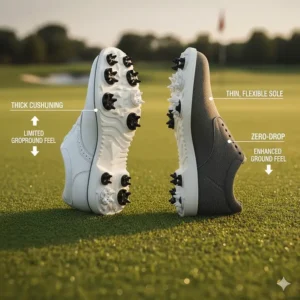
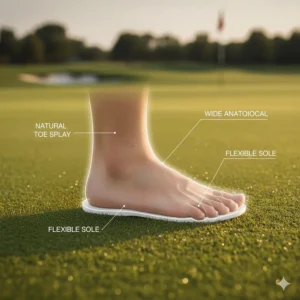
Barefoot golf shoes, also called minimalist or zero-drop golf shoes, are designed to mimic the natural biomechanics of walking and standing without shoes. The key features include a zero-drop sole (meaning your heel and toes sit at the same height), a wide toe box that allows your toes to spread naturally, and a thin, flexible sole that lets you feel the ground beneath you.
The concept originated from the broader barefoot running movement, which research from institutions like Harvard University has shown can strengthen foot muscles and improve natural gait patterns. Golf-specific barefoot shoes started gaining traction around 2015, but they’ve exploded in popularity over the past few years.
How Barefoot Shoes Work
Think of your feet like high-performance shock absorbers. When you wear traditional shoes with elevated heels and thick cushioning, your feet become passive passengers. They don’t have to work very hard because the shoe does everything. Over time, this leads to weakened foot muscles, reduced balance, and less proprioception (your sense of where your body is in space).
Barefoot shoes force your feet to engage. Every muscle, tendon, and nerve ending gets activated. You’ll feel subtle changes in terrain, which your brain processes to maintain balance. For golf, this translates to better stability during your swing and more consistent weight transfer.
Traditional Golf Shoes: The Established Standard
Traditional golf shoes have dominated the market for decades, and there are legitimate reasons why. These shoes typically feature elevated heels (8-12mm drop), cushioned midsoles, structured support systems, and either spiked or advanced spikeless outsoles for traction.
According to the United States Golf Association, proper footwear has always been considered essential equipment for maintaining course conditions and player safety. Traditional golf shoes evolved to provide maximum comfort during long rounds, protection from the elements, and aggressive traction on various terrains.
Modern Traditional Technology
Today’s traditional golf shoes incorporate impressive technology. Companies like FootJoy, Adidas, and Nike invest millions in research. You’ll find features like waterproof membranes, energy-return midsoles, and sophisticated traction systems that adapt to different surfaces.
The cushioning in modern traditional shoes aims to reduce fatigue over 18 holes. The structured support helps golfers with various foot types maintain stability. And let’s be honest—they usually look more professional in the clubhouse.
Barefoot Golf Shoes Pros and Cons: The Complete Picture
The Advantages ✅
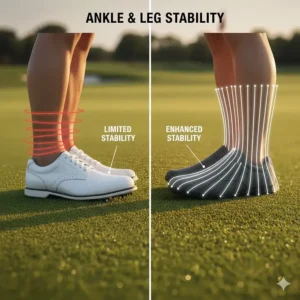
Enhanced Balance and Stability: When you can feel the ground beneath you, your body naturally adjusts to maintain balance. Multiple studies on proprioception, including research published in the Journal of Biomechanics, demonstrate that increased sensory feedback improves postural control.
Natural Foot Position: Zero-drop shoes promote better alignment from your feet through your entire kinetic chain. Your spine stays more neutral, your hips align properly, and energy transfers more efficiently from the ground through your body into your swing.
Improved Swing Mechanics: With better balance and natural positioning, many golfers report more consistent swing paths. You’re less likely to over-swing when you have solid ground feel, reducing injury risk and improving accuracy.
Strengthened Foot Muscles: Over time, barefoot shoes strengthen your foot’s intrinsic muscles. This leads to better arch support naturally produced by your own body rather than artificial shoe support.
Reduced Foot Fatigue: This might seem counterintuitive, but many barefoot converts report less fatigue. When your feet work naturally, they don’t fight against restrictive shoes all day.
Versatility: Most barefoot golf shoes work beautifully for walking, gym workouts, or casual wear. You get more value from a single pair.
The Disadvantages ❌
Transition Period Required: You can’t just throw on barefoot shoes and play 36 holes immediately. Your feet need time—sometimes months—to adapt. Start slowly or risk injury.
Less Cushioning: If you have joint issues or simply prefer that plush feeling, barefoot shoes might feel too minimalist. The ground feedback is real, sometimes uncomfortably so on rocky cart paths.
Weather Limitations: Many barefoot golf shoes offer minimal weather protection. Playing in rain or cold temperatures can be challenging.
Course Restrictions: Some private clubs have dress codes that might not embrace the more athletic look of barefoot shoes.
Not Ideal for Everyone: Those with certain foot conditions, significant pronation issues, or who are recovering from injuries might need traditional support.
Should I Switch to Barefoot Golf Shoes? Making Your Decision
This question doesn’t have a universal answer. The decision depends on your current situation, goals, and willingness to adapt. Let me break down when switching makes sense and when it doesn’t.
You’re a Good Candidate If:
You’re dealing with chronic foot pain despite trying multiple traditional shoes. Many golfers with plantar fasciitis, bunions, or Morton’s neuroma find relief with wider toe boxes and zero-drop designs.
You want to improve your balance and connection to the ground. If you feel disconnected during your swing or struggle with weight transfer, barefoot shoes might help.
You’re open to a gradual transition. Success requires patience. Those willing to spend several months adapting typically see the best results.
You play primarily in good weather. Barefoot shoes shine in spring and summer conditions.
You value versatility. If you want shoes that work on the course and everywhere else, barefoot options deliver.
Stick with Traditional If:
You have specific medical needs requiring structured support. Always consult a podiatrist before making major footwear changes.
You demand maximum cushioning. Some bodies simply prefer more protection between them and the ground.
You play in harsh weather frequently. Traditional waterproof golf shoes still outperform most barefoot options in rain and cold.
You’re not interested in a transition period. Barefoot shoes require commitment to adaptation.
You prefer conventional aesthetics. Traditional golf shoes look more “golf appropriate” at most clubs.

Are Barefoot Golf Shoes Better? The Science-Backed Answer
The honest answer? It depends on what “better” means to you. Let’s look at what research actually tells us.
A comprehensive study on minimalist footwear published by researchers at Michigan State University found that barefoot-style shoes can improve foot strength and balance in properly transitioned individuals. However, the same research emphasized that rapid transitions often lead to injury.
Performance Metrics
Balance: Barefoot shoes objectively improve proprioception and balance. When you can feel subtle terrain changes, your body adjusts faster and more accurately. For golf, this translates to more stable swings, particularly on uneven lies.
Power Transfer: The jury is still out. Some biomechanics experts argue that zero-drop shoes allow better ground force transfer. Others contend that traditional shoes’ stability provides a more consistent platform for generating power. Individual results vary significantly.
Injury Prevention: This is complicated. Barefoot shoes can prevent injuries related to foot weakness and poor mechanics. However, improper transition or using them with existing foot issues can cause injuries. Traditional shoes prevent different types of injuries by providing support and protection.
Long-term Foot Health: Evidence suggests that allowing feet to function naturally promotes better long-term health. However, this assumes proper transition and no underlying pathologies.
What the Pros Are Doing
Professional golf remains dominated by traditional footwear. However, several tour players have experimented with minimalist options for practice sessions. The professional game’s focus on marginal gains means if barefoot shoes offered clear advantages, more pros would use them.
That said, the professional golf environment differs dramatically from recreational play. Tour players walk perfectly manicured courses and have access to unlimited footwear options and expert advice.
Key Differences Between Barefoot vs Traditional Golf Shoes
Heel Drop and Posture 📏
Traditional shoes elevate your heel 8-12mm above your forefoot. This creates a forward lean that your body compensates for by adjusting your entire posture. Think of it like standing on a slight incline all day.
Barefoot shoes keep everything level. Your skeletal system stacks naturally, often resulting in better spinal alignment and reduced lower back stress. However, if you’ve spent decades in elevated heels, zero-drop shoes will feel strange initially.
Toe Box Width and Foot Shape 👣
Traditional golf shoes taper toward the toe, mimicking dress shoe aesthetics. This squeezes your toes together, limiting natural splay and potentially causing bunions or hammer toes over time.
Barefoot shoes feature anatomically shaped toe boxes. Your toes spread naturally, improving balance and allowing your foot’s natural shock absorption system to function. The wider forefoot might look unusual at first, but the functional benefits are substantial.
Sole Thickness and Ground Feel 🌍
Traditional shoes typically have 20-30mm of material between your foot and the ground. All that cushioning insulates you from terrain feedback. You get protection and comfort but sacrifice connection.
Barefoot shoes use 3-6mm soles. You feel everything—every pebble, every slope, every texture. This heightened sensory input improves balance and body awareness but requires adaptation. Your feet need to toughen up.
Flexibility and Natural Movement 🤸
Traditional golf shoes offer moderate flexibility with reinforced areas for support. The shoe guides your foot’s movement, which can feel stable but also restrictive.
Barefoot shoes bend, twist, and flex in every direction. Your foot moves however it naturally wants. This freedom allows full range of motion but means your foot muscles must do all the work.
Weight Considerations ⚖️
Traditional shoes typically weigh 12-16 ounces per shoe. The materials needed for cushioning, support, and waterproofing add up.
Barefoot shoes usually come in at 7-10 ounces. This reduced weight means less energy expenditure over 18 holes. You barely notice them on your feet.
Transition Tips: Moving from Traditional to Barefoot Golf Shoes
If you’re considering the switch, do it intelligently. Here’s the approach I recommend based on successful transitions I’ve observed.
Start Slowly and Progress Gradually 🐌
Week 1-2: Wear barefoot shoes around the house for 1-2 hours daily. Let your feet adjust to the different feel without stress.
Week 3-4: Add short walks (15-20 minutes) on flat, even surfaces. Pay attention to any discomfort in your arches, calves, or Achilles tendon.
Week 5-8: Begin wearing them for daily activities and short practice sessions on the range. Hit balls for 20-30 minutes, then assess how your feet feel.
Week 9-12: Gradually increase practice time and start incorporating them into 9-hole rounds. Walk when possible to build foot strength.
Month 4+: Progress to full 18-hole rounds as comfort permits. Some people transition faster; others need more time. Listen to your body.
Strengthen Your Feet Deliberately 💪
Toe Spreaders: Use these while watching TV to train your toes to separate naturally.
Balance Exercises: Stand on one foot for 30-60 seconds daily. Progress to doing this with eyes closed.
Arch Doming: Practice activating your foot’s intrinsic muscles by lifting your arch without curling your toes.
Calf Stretches: Your Achilles tendon will need to lengthen. Stretch it gently and regularly.
Barefoot Time: Walk barefoot at home as much as possible. This builds natural foot strength better than any exercise.
Watch for Warning Signs ⚠️
Some muscle soreness is normal and expected. Sharp pain is not. If you experience persistent pain in your arch, heel, or Achilles tendon, slow down your transition. If pain continues, consult a medical professional.
Common transition issues include arch soreness, calf tightness, and Achilles discomfort. These usually resolve with proper rest and gradual progression. If symptoms worsen or don’t improve within a week of backing off, seek professional advice.
Cost Comparison: Barefoot vs Traditional Golf Shoes 💰
Let’s talk money. Golf is already expensive enough without making poor equipment investments.
Initial Investment
Barefoot Options: $90-$175
- Budget: Xero Shoes Prio ($90)
- Mid-range: TRUE Linkswear OG Feel ($130-150)
- Premium: Vivobarefoot Primus Lite III ($150-170)
Traditional Options: $70-$220
- Budget: Adidas S2G on sale ($57-75)
- Mid-range: Under Armour Drive Fade ($90-120)
- Premium: FootJoy Pro/SLX Carbon ($180-220)
Long-term Value
Here’s where barefoot shoes often win. Most barefoot companies offer impressive warranties—Xero Shoes backs their soles for 5,000 miles. That’s several years of regular golf.
Traditional shoes typically last 1-2 seasons with regular use. Cushioning breaks down, waterproofing fails, and spikeless outsoles wear smooth. You’ll replace them more frequently.
However, if you need multiple shoe types for different conditions, traditional shoes might work out cheaper. One pair of waterproof traditional shoes plus one pair of summer shoes might cost less than barefoot shoes plus a backup pair for bad weather.
True Cost Analysis
Consider your playing frequency:
- Casual golfer (10-20 rounds/year): Traditional or barefoot work similarly; choose preference
- Regular player (30-50 rounds/year): Barefoot durability advantages emerge
- Avid golfer (60+ rounds/year): Barefoot shoes’ durability often provides better value
Maintenance and Durability: What to Expect
Caring for Barefoot Golf Shoes 🧽
Most barefoot shoes require simple maintenance. Remove insoles after each round to air out. Clean with mild soap and water—no washing machines. Air dry completely before next use.
The thin soles make them more susceptible to punctures on sharp objects, though companies like Vivobarefoot use puncture-resistant materials. Inspect outsoles regularly for excessive wear.
Upper materials vary. Mesh breathes wonderfully but wears faster. Leather versions like some TRUE models last longer but cost more and require conditioning.
Traditional Shoe Care 🧼
Traditional golf shoes demand more attention. Waterproof leather needs regular conditioning. Clean and dry thoroughly after wet rounds to prevent material breakdown.
Check spikeless nubs or replaceable spikes regularly. Worn traction compromises performance and safety. Cushioning eventually compresses and loses effectiveness, even if shoes look fine externally.
Store traditional shoes properly—stuff newspaper inside to maintain shape and absorb moisture. Keep them away from extreme heat that can damage adhesives and materials.
Weather Performance: Barefoot vs Traditional in Different Conditions
Hot Weather Performance ☀️
Barefoot shoes dominate summer golf. The minimalist construction and breathable uppers keep feet cooler. You’ll never experience the swampy feeling common with traditional golf shoes on 95-degree days.
Traditional shoes can feel like ovens in serious heat. Even “breathable” models with mesh panels trap more heat due to their construction and materials.
Wet Conditions 🌧️
Traditional shoes win decisively here. Waterproof membranes and treated leathers keep feet dry through morning dew and rain showers. Most include one-year waterproof warranties.
Most barefoot shoes offer minimal weather protection. A few models like TRUE’s waterproof options exist, but they’re exceptions. Wet feet in barefoot shoes means uncomfortable rounds unless you embrace the experience.
Cold Weather ❄️
Traditional shoes provide better insulation with thicker materials and sometimes even winter-specific models. Your feet stay warmer longer.
Barefoot shoes’ thin construction offers little thermal protection. Some people pair them with merino wool socks for shoulder-season rounds, but serious cold weather requires alternatives.

FAQs: Your Burning Questions Answered
❓ How long does it take to transition to barefoot golf shoes successfully?
❓ Can barefoot golf shoes improve my swing speed and distance?
❓ Do I need special socks for barefoot golf shoes?
❓ Are barefoot golf shoes allowed at private country clubs?
❓ What happens if I have wide feet or bunions?
Conclusion: Which Path Is Right for Your Game?
After everything we’ve covered, here’s the bottom line: both barefoot vs traditional golf shoes have legitimate places in the game. The “best” choice depends entirely on your individual needs, preferences, and willingness to adapt.
Barefoot golf shoes offer undeniable benefits for those willing to make the transition. Enhanced balance, natural foot function, and improved proprioception can genuinely impact your golf game. The lighter weight and versatility add tremendous value. But they require patience, proper transition, and acceptance of their limitations in certain weather conditions.
Traditional golf shoes provide immediate comfort, weather protection, and that classic golf aesthetic most of us grew up with. They require no adaptation period and work reliably in all conditions. Modern technology makes them incredibly comfortable and functional. However, they may compromise natural foot function and long-term foot health.
My advice? If you’re curious about barefoot golf shoes and willing to invest time in proper transition, try them. Start with something like the TRUE Linkswear OG Cush or Xero Shoes Prio—models that balance barefoot benefits with enough comfort for beginners. Use them for range sessions initially, then progress to course play.
If you value immediate comfort, play in harsh weather frequently, or simply prefer traditional shoes, stick with what works. There’s nothing wrong with choosing proven technology that’s served millions of golfers perfectly well.
The golf industry’s continued innovation means we’ll likely see even better options in both categories soon. Pay attention to how your feet feel, prioritize proper fit over trends, and remember—the best golf shoe is the one that helps you play your best golf while keeping your feet healthy and happy.
Now get out there and play some golf. Your feet will thank you for making an informed decision about what you’re putting them in!
🎯 Take Your Game to the Next Level!
Ready to experience the difference proper footwear makes? Browse the complete selection of barefoot and traditional golf shoes featured in this guide. Click through to find competitive pricing, read additional reviews, and choose the perfect pair for your game. Whether you go minimalist or stick with tradition, investing in quality golf shoes pays dividends in comfort and performance! ⛳🏆
Recommended for You
- Barefoot Golf Shoes Women: 7 Best Options That Transform Your Game
- Barefoot Golf Shoes Men: 7 Best Minimalist Options 2025
- Mens Golf Sandals: 7 Best Options for Comfort & Performance 2025
Disclaimer: This article contains affiliate links. If you purchase products through these links, we may earn a small commission at no additional cost to you.
✨ Found this helpful? Share it with your friends! 💬🤗
