
In This Article
✨Was this helpful? Spread the word! 🚀
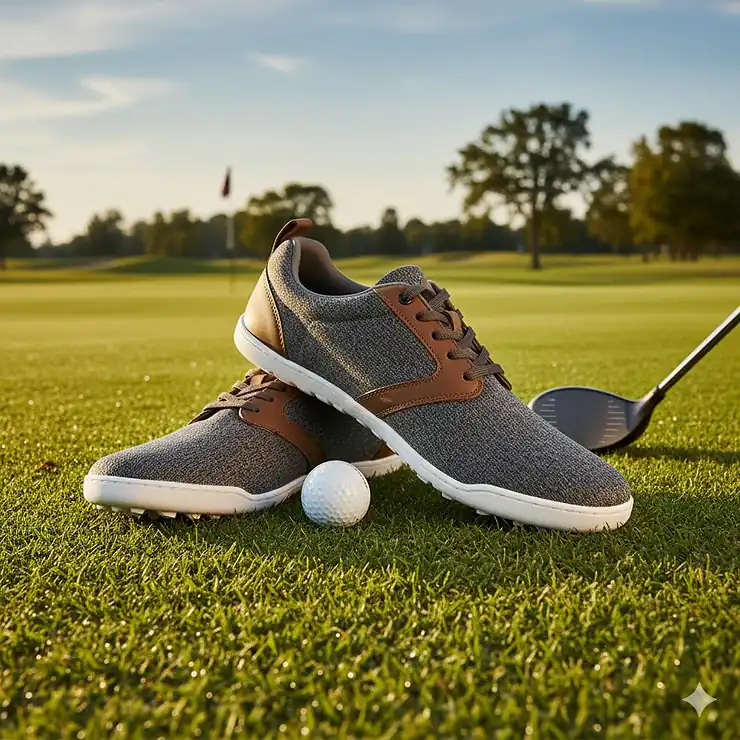
Have you ever wondered if your golf shoes might actually be sabotaging your swing? Here’s something most golfers don’t realize: traditional golf footwear with elevated heels and narrow toe boxes can throw off your balance before you even address the ball. I’ve spent years testing different golf shoes, and when I first slipped on a pair of barefoot golf shoes men actually swear by, everything changed.
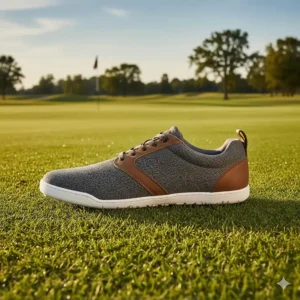
The barefoot movement isn’t just another fitness trend—it’s a return to how our bodies naturally move. When it comes to golf, this philosophy translates into shoes with zero-drop soles, wide toe boxes, and flexible construction that let your feet function the way they were designed. These minimalist golf shoes men are gravitating toward provide exceptional ground feel, improved balance, and a more natural stance throughout your swing.
Think about it: your feet contain 26 bones, 33 joints, and over 100 muscles, tendons, and ligaments. Traditional golf shoes essentially trap all that biomechanical potential in a rigid cage. Men’s barefoot golf shoes liberate your feet, allowing them to spread, grip, and respond to the terrain beneath you. Professional golfers and weekend warriors alike are discovering that barefoot golf shoes for men deliver tangible improvements in stability, power transfer, and overall comfort during those long 18-hole rounds.
Whether you’re dealing with foot pain from conventional shoes, seeking better connection with the course, or simply curious about the minimalist golf shoes men trend, this comprehensive guide covers everything you need to know about selecting, transitioning to, and maximizing the benefits of this game-changing footwear.
Quick Comparison Table 📊
| Shoe Model | Price Range | Drop | Key Feature | Best For |
|---|---|---|---|---|
| TRUE Linkswear OG Cush | $174.99 | 0mm | Cushioned zero-drop | All-day comfort |
| TRUE Linkswear OG Feel | $150-170 | 0mm | Ultra-minimal | Barefoot purists |
| Xero Scrambler Low EV | $120 | 0mm | Extreme flexibility | Maximum ground feel |
| WHITIN Wide Barefoot | $40-45 | 0mm | Budget-friendly | Beginners/budget |
| Peluva Apollo Golf | $170-190 | 0mm | Five-toe design | Unique experience |
| Be Lenka Trailwalker 2.0 | $160 (€160) | 0mm | Premium leather | Trail/golf hybrid |
| Vivobarefoot Linx Golf | $170 | 0mm | Classic design | Traditional look |
💬 Just one click – help others make better buying decisions too! 😊
🛒 Ready to Transform Your Game?
Before diving into the details, check current prices and availability on Amazon. Early adopters are already experiencing the difference—don’t miss out on these innovative designs that are changing how men approach golf footwear! 🎯
Top 7 Barefoot Golf Shoes Men: Expert Analysis 👟
1. TRUE Linkswear OG Cush – The Comfort King
The TRUE Linkswear OG Cush represents a breakthrough in cushioned barefoot design. After years of feedback from tour professionals and podiatrists, TRUE created what many consider the perfect balance between barefoot feel and all-day comfort.
Key Specifications:
- Zero-drop platform with 6mm Wanderlux cushioned midsole
- Wide anatomical toe box
- Versatile rubber ‘T’ tread system
- Weight: Extremely lightweight design
- Available in multiple colorways
Price: $174.99
Golfers rave about the OG Cush’s ability to provide cushioning without sacrificing ground feel. The enhanced heel padding system and comfort tongue make these incredibly easy to wear straight out of the box. Unlike the ultra-minimal OG Feel, these offer enough support for walking 18 holes without fatigue, even for those new to barefoot shoes.
✅ Pros:
- Exceptional all-day comfort
- Tour-proven performance
- Versatile enough for gym and trails
❌ Cons:
- Higher price point
- May feel too cushioned for barefoot purists
Customer feedback highlights that these shoes work brilliantly for golfers transitioning from traditional footwear. One reviewer noted feeling “more balanced” and experiencing significantly less foot fatigue after full rounds.
2. TRUE Linkswear OG Feel – Pure Minimalism
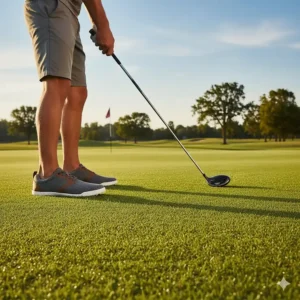
For barefoot golf shoes men seeking the most authentic ground connection, the TRUE Linkswear OG Feel delivers an uncompromising experience. This shoe pioneered the barefoot golf movement and remains a favorite among minimalist enthusiasts.
Key Specifications:
- True zero-drop construction
- 7.5mm outsole plus removable 6mm insole
- Breathable mesh upper
- Perforated design for ventilation
- Extra-wide toe box
Price: $150-170
The OG Feel is nicknamed “the Nike Free of golf shoes” for good reason—it provides that barely-there sensation while maintaining adequate protection. Professional golfer Oliver Wilson credits these with relieving his foot pain and minor plantar fasciitis after switching from traditional golf shoes.
✅ Pros:
- Maximum ground feel
- Excellent toe splay room
- Professional golfer approved
❌ Cons:
- Minimal cushioning challenges newcomers
- May cause soreness on longer walks initially
Reviews consistently mention the exceptional traction and liberating feel of letting toes spread naturally during the swing. However, beginners should expect a transition period.
3. Xero Scrambler Low EV – Ultimate Flexibility Champion
While not marketed specifically as golf shoes, the Xero Scrambler Low EV has gained a cult following among barefoot golfers seeking maximum flexibility and ground feel.
Key Specifications:
- Ultra-light breathable mesh construction
- Michelin rubber outsole with aggressive lugs
- Xero-drop (0mm) design
- Wide, foot-shaped toe box
- 5,000-mile sole warranty
Price: Around $120
The Scrambler Low features Xero’s patented FeelTrue sole technology, which bends and flexes naturally with every step. The grippy outsole extends slightly up the sides, creating sidewalls that secure your foot during powerful swings. Golfers appreciate how these transition seamlessly from the course to trail running.
✅ Pros:
- Extremely lightweight
- Exceptional flexibility
- Outstanding 5,000-mile warranty
❌ Cons:
- Not waterproof
- Less structured than golf-specific designs
Customer reviews highlight the remarkable balance of protection and sensory feedback. One golfer noted these feel “like wearing nothing” while still providing adequate traction on various course conditions.
4. WHITIN Wide Barefoot Shoes – Budget-Friendly Gateway
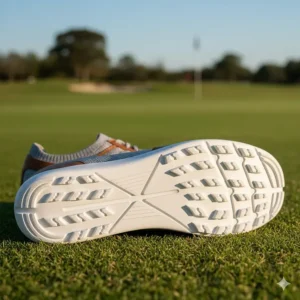
The WHITIN Wide Barefoot Shoes offer an incredibly affordable entry point into minimalist golf shoes men can actually afford. At under $45, these deliver surprising quality for budget-conscious golfers.
Key Specifications:
- Zero-drop flat sole
- Wide anatomical toe box
- Removable insole for customization
- Flexible rubber outsole
- Available in multiple styles
Price: $40-45
While WHITIN makes various shoe types, their wide barefoot line specifically caters to those seeking natural foot movement. The removable insole is brilliant—it provides extra cushioning for beginners but can be taken out for a more authentic barefoot experience as your feet strengthen.
✅ Pros:
- Exceptional value
- Great for testing barefoot concept
- Widely available on Amazon
❌ Cons:
- Lower-end materials
- Less durable than premium options
Reviews from first-time barefoot shoe buyers are overwhelmingly positive. Many mention using WHITIN shoes as their introduction to the barefoot world before investing in pricier golf-specific models. Several golfers report successfully wearing these for casual rounds, though they’re not marketed as golf shoes.
5. Peluva Apollo Golf – Revolutionary Five-Toe Design
The Peluva Apollo Golf takes barefoot golf shoes for men to an entirely different level with its unique five-toe slot design. This isn’t your typical minimalist footwear—it’s more like gloves for your feet.
Key Specifications:
- Individual toe slots for each toe
- Zero-drop platform
- 9mm Super Critical EVA foam cushioning
- Spikeless nub tread pattern
- Full-grain perforated leather upper
Price: $170-190
Peluva’s innovative approach provides even more toe spread than traditional wide toe boxes. The separate compartments actively strengthen feet throughout the day while improving neural sensitivity and balance. The high-density spikeless tread delivers excellent traction without penetrating the turf.
✅ Pros:
- Unique toe-spreading benefits
- Research-backed foot strengthening
- Excellent breathability
❌ Cons:
- Unusual feel requires adaptation
- Higher learning curve
- Not for everyone
Customer testimonials reveal a common pattern: initial strangeness followed by devoted loyalty. One golfer mentioned, “After the first couple rounds, my legs were tired, but now they’re the most comfortable golf shoes I’ve worn with excellent traction.”
6. Be Lenka Trailwalker 2.0 – Premium Leather Hybrid
The Be Lenka Trailwalker 2.0 brings European craftsmanship to barefoot golf. While designed primarily as trail shoes, golfers have discovered they perform beautifully on the course with their grippy sole and premium construction.
Key Specifications:
- Soft suede leather upper
- 4mm TrailGrip rubber sole
- Reinforced rubber edge protection
- Recycled PU insole (removable)
- Made in Czech Republic
Price: Around $160 (€160)
This Czech-made beauty features a modified toe box design that accommodates various foot shapes better than many barefoot options. The rubber protection running along the edges prevents water intrusion and adds durability, while the extremely thin sole provides fantastic ground feel.
✅ Pros:
- Premium leather construction
- Excellent grip on varied terrain
- Stylish aesthetic
❌ Cons:
- Very thin sole challenges beginners
- Limited availability in US
- Higher price point
Reviews from barefoot enthusiasts consistently praise the Trailwalker’s quality and ground feel. While these require well-adapted feet due to the minimal sole, experienced barefoot users consider them among the finest available.
7. Vivobarefoot Linx Golf (Classic Option)
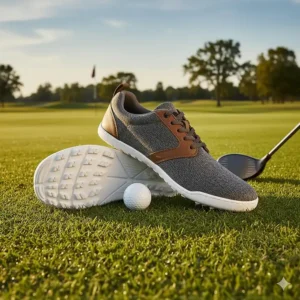
The Vivobarefoot Linx Golf represents one of the original barefoot golf shoes that helped popularize the category. Though an older model with limited current availability, it remains relevant for those seeking a more traditional golf shoe aesthetic.
Key Specifications:
- 4.5mm V-road outsole
- Wide toe box
- Leather upper options
- Zero-drop construction
- Water-resistant capabilities
Price: Around $170 (when available)
Vivobarefoot pioneered the barefoot movement, and their golf-specific model delivers the brand’s signature thin, flexible sole with golf-appropriate styling. The grippy outsole ensures traction without traditional spikes, and reviewers note these transition well from course to casual wear.
✅ Pros:
- Classic barefoot brand heritage
- Excellent traction
- Versatile styling
❌ Cons:
- Limited current availability
- Primarily through third-party sellers
- Durability concerns with storage
Customer reviews mention excellent performance for golfers with peroneal tendinitis and other foot issues. The zero-drop platform reportedly keeps feet dry even in damp conditions.
Understanding Barefoot Golf Shoes: The Science Behind the Design 🔬
The concept behind barefoot golf shoes men choose today stems from extensive research into natural human biomechanics. Our feet evolved over millions of years to function without cushioned, elevated footwear—yet modern shoes have fundamentally altered how we move.
What Makes a Shoe “Barefoot”?
True barefoot golf shoes for men incorporate four essential elements that distinguish them from conventional footwear. First, they feature a zero-drop platform, meaning the heel and forefoot sit at exactly the same height. This maintains your body’s natural alignment and prevents the forward lean caused by elevated heels.
Second, they utilize wide, anatomically-shaped toe boxes that allow your toes to spread naturally. When your toes can splay, they create a broader, more stable base—crucial for maintaining balance throughout your swing. Third, barefoot shoes use thin, flexible soles (typically 4-10mm) that permit natural foot flexion and provide crucial ground feedback.
Finally, they’re built with minimal arch support. While this might sound counterintuitive, it actually allows your foot’s natural arch to function as designed, strengthening intrinsic foot muscles over time. According to research from the American Podiatric Medical Association, strengthening foot muscles through natural movement can reduce many common foot problems.
The Zero-Drop Revolution ⚡
Zero-drop construction changes everything about how you stand and move on the golf course. Traditional golf shoes typically have 6-12mm of heel elevation, which shifts your weight forward and alters your posture before you even begin your swing. This artificial positioning can force compensatory movements throughout your kinetic chain.
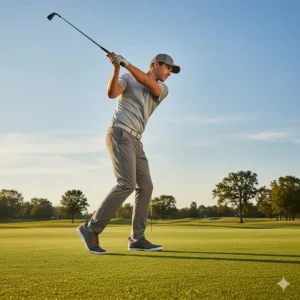
When you wear men’s barefoot golf shoes with zero drop, your body naturally aligns in a more balanced position. Your weight distributes evenly between heel and forefoot, allowing for better rotation and power transfer during your swing. Professional golfers who’ve made the switch report feeling more “grounded” and connected to the course.
The transition to zero-drop isn’t instant—your calves and Achilles tendons need time to adapt. However, most golfers find that after 2-4 weeks of gradual use, the benefits become undeniable. Many experience reduced lower back pain, improved balance, and enhanced swing consistency.
Benefits of Barefoot Golf Shoes for Men 🎯
Enhanced Ground Feel and Proprioception
When you slip on minimalist golf shoes men recommend, you immediately notice the difference in ground feedback. That thin, flexible sole transmits valuable information to your brain about terrain contours, slope angles, and surface textures. This heightened proprioception—your body’s awareness of position and movement—translates directly into better balance and swing control.
Think of it like the difference between feeling a surface through thick winter gloves versus your bare hands. With conventional golf shoes, thick cushioning deadens sensation. With barefoot designs, you can literally feel the subtle undulations of the green beneath your feet, helping you instinctively adjust your stance for optimal stability.
Improved Swing Mechanics and Power Transfer ⚡
The wide toe box in barefoot golf shoes allows your toes to spread and grip the ground naturally. This creates a broader, more stable base that resists lateral movement during your swing. When your feet can’t spread properly in narrow shoes, you lose that stable foundation—it’s like trying to swing while standing on a narrow beam versus a wide platform.
Additionally, the zero-drop platform promotes better weight transfer throughout your swing. Traditional elevated heels shift your center of gravity forward, requiring compensatory movements that can throw off timing and reduce power. With zero-drop soles, your weight transfers naturally from backswing through impact, maximizing clubhead speed and consistency.
Natural Strengthening and Injury Prevention 💪
One of the most remarkable benefits of men’s barefoot golf shoes becomes apparent over time: your feet actually get stronger. When conventional shoes provide excessive support and cushioning, the intrinsic muscles in your feet essentially atrophy from disuse. It’s the classic “use it or lose it” principle.
Barefoot shoes force those dormant muscles to activate with every step. Your arches work to support your body weight. Your toes engage to maintain balance. Your ankles stabilize naturally without artificial support. Over weeks and months, this natural strengthening can resolve issues like plantar fasciitis, bunions, and general foot fatigue.
Many golfers report that chronic foot and lower back pain diminishes after switching to minimalist footwear. The National Center for Biotechnology Information has published studies showing that barefoot-style footwear can improve foot strength and reduce injury rates in athletes.
All-Day Comfort for Walking Golfers 🚶♂️
If you walk your rounds—and you should, it’s better for your game and health—the lightweight nature of barefoot golf shoes makes a massive difference. Traditional golf shoes can weigh 20+ ounces per shoe, while most barefoot options come in under 14 ounces. That weight savings adds up dramatically over 18 holes.
Beyond weight, the flexible construction moves naturally with your feet rather than fighting against them. No rigid structures dig into pressure points. No elevated heels force your calves to work overtime. Just natural, comfortable movement that leaves you feeling energized rather than exhausted after your round.
How to Choose the Right Barefoot Golf Shoes Men Love 🤔
Step 1: Assess Your Current Footwear and Foot Health
Before diving into barefoot golf shoes, honestly evaluate where you’re starting from. Have you worn conventional golf shoes with significant cushioning and support for years? Do you have any existing foot conditions like plantar fasciitis, bunions, or Morton’s neuroma? Understanding your baseline helps you choose appropriately.
If you’re coming from heavily cushioned traditional shoes, starting with a more gradual option like the TRUE Linkswear OG Cush makes sense. Its 6mm of cushioning eases the transition while still providing zero-drop benefits. Conversely, if you already wear minimalist casual shoes, jumping straight to ultra-minimal options like the OG Feel or Xero Scrambler works fine.
Step 2: Determine Your Primary Use Case
Different barefoot golf shoes excel in different scenarios. Are you primarily playing casual weekend rounds, or are you a serious player who walks 36+ holes weekly? Do you want shoes exclusively for golf, or something versatile enough for gym workouts and trail hiking too?
For golf-only use, stick with TRUE Linkswear’s dedicated golf models or the Peluva Apollo Golf. For multi-sport versatility, consider the Xero Scrambler or Be Lenka Trailwalker. Budget-conscious golfers testing the barefoot concept should start with WHITIN shoes before investing in premium options.
Step 3: Consider Weather and Course Conditions ⛅
Your local climate and typical course conditions significantly impact which barefoot golf shoes men should choose. If you frequently play in wet conditions, water resistance becomes crucial. The Be Lenka Trailwalker’s leather construction with rubber edge protection handles dampness well, as do TRUE’s waterproof options.
For hot, dry climates, breathability takes priority. The TRUE OG Feel’s mesh construction and Peluva’s perforated leather maximize airflow. Cold weather golfers need slightly thicker soles for insulation—the OG Cush’s 6mm midsole provides more barrier than ultra-minimal 4mm options.
Step 4: Factor in Toe Box Width and Foot Shape 👣
Not all “wide” toe boxes are created equal. Measure your foot width at its widest point (usually across the ball of your foot) and compare it to manufacturer specifications. TRUE Linkswear and Xero Shoes generally accommodate medium to wide feet comfortably. The Be Lenka Trailwalker’s modified design fits various foot shapes better than many competitors.
If you have particularly wide feet or prominent bunions, the extra-wide options from WHITIN or the unique toe-slot design of Peluva might suit you best. Conversely, narrower feet may need additional lacing adjustments or thicker socks to prevent slippage.
Step 5: Budget Appropriately for Quality 💰
Barefoot golf shoes men invest in range from $40 to $190. While budget options like WHITIN serve beginners well, they don’t match the durability and performance of premium brands. Consider this: you’ll likely play 15-30 rounds per year. Spending $175 on shoes that last 2-3 years means roughly $3-4 per round—minimal cost for equipment that directly affects your comfort and performance.
Premium options from TRUE, Vivobarefoot, and Be Lenka typically include better materials, construction quality, and warranties. Xero Shoes even offers an impressive 5,000-mile sole warranty. If you’re serious about the barefoot approach, investing in quality footwear pays dividends in longevity and performance.
Traditional Golf Shoes vs. Barefoot Golf Shoes: The Real Differences ⚖️
| Feature | Traditional Golf Shoes | Barefoot Golf Shoes |
|---|---|---|
| Heel Drop | 6-12mm elevation | 0mm (zero-drop) |
| Toe Box | Narrow, tapered | Wide, foot-shaped |
| Sole Thickness | 15-25mm | 4-10mm |
| Flexibility | Rigid, structured | Highly flexible |
| Weight | 18-24 oz per shoe | 10-14 oz per shoe |
| Ground Feel | Minimal sensation | Maximum feedback |
| Arch Support | Built-in, rigid | Minimal or none |
| Break-In Period | Minimal | 2-4 weeks adaptation |
The differences extend beyond specifications. Traditional golf shoes prioritize immediate comfort and stability through artificial support structures. They’re designed assuming your feet need help—like training wheels on a bike. Barefoot shoes operate on the opposite philosophy: your feet are capable biomechanical marvels that function best when allowed to move naturally.
This doesn’t make traditional shoes “wrong”—they serve golfers with specific needs, like severe foot deformities or certain medical conditions. However, for healthy feet, research increasingly suggests that less shoe interference leads to stronger, healthier feet over time. The Harvard Medical School has published findings supporting barefoot-style movement for overall foot health.
Transitioning to Barefoot Golf Shoes: A Smart Approach 🎓
Week 1-2: The Introduction Phase
Don’t make the rookie mistake of wearing your new barefoot golf shoes for a full 18-hole round on day one. Your feet, calves, and Achilles tendons need gradual adaptation to the new biomechanics. Start by wearing your barefoot shoes around the house for 1-2 hours daily. Notice how they feel. Pay attention to any areas of discomfort.
Next, take short walks—start with 10-15 minutes on varied terrain. Your feet will begin waking up muscles that have been dormant for years. It’s common to feel some fatigue or mild soreness; this indicates those muscles are working. Think of it like starting a new exercise program—you wouldn’t run a marathon on your first day at the gym.
For golf, begin with putting and chipping practice while wearing your minimalist golf shoes men are raving about. The low-impact nature of short game practice lets you adapt to the feel without overwhelming your feet. Many golfers find they immediately notice improved balance and ground connection during putting.
Week 3-4: Building Tolerance ⏱️
By week three, gradually increase your walking duration to 30-45 minutes daily. Add some uphill and downhill walking to challenge your feet in different ways. Your calves might feel tight—this is normal as they adapt to the zero-drop position. Gentle stretching helps, but don’t overdo it.
On the golf course, play 9 holes in your new barefoot shoes, then switch to conventional shoes if needed. Pay attention to how your swing feels. Many golfers report greater awareness of weight transfer and improved balance. You might also notice more foot and calf fatigue than usual—again, perfectly normal during adaptation.
If you experience significant pain (beyond general muscle soreness), slow down the transition. Some people need 6-8 weeks to fully adapt, especially if coming from heavily cushioned, supportive shoes. There’s no prize for rushing—your feet will thank you for patience.
Week 5-8: Full Integration 🎯
Most golfers can handle full 18-hole rounds in their barefoot golf shoes by this point. Your feet should feel stronger, more stable, and increasingly comfortable in the minimalist footwear. The initial fatigue subsides as muscles strengthen and biomechanics normalize.
Now you can start playing with swing adjustments that capitalize on your improved ground connection. Experiment with weight transfer. Notice how your toes can grip and push through impact. Many golfers discover they can generate more clubhead speed once they learn to properly utilize their new stability.
Continue strengthening exercises off the course. Toe yoga (individually lifting and lowering each toe), calf raises, and balance work on unstable surfaces all accelerate your barefoot adaptation. The American Council on Exercise offers excellent resources on foot strengthening exercises.
Common Mistakes to Avoid with Barefoot Golf Footwear ⚠️
Rushing the Transition Period
I’ll be blunt: this is the number one reason people abandon barefoot shoes and claim they “don’t work.” Your feet have been imprisoned in conventional footwear for decades—they won’t transform overnight. Patience isn’t just virtue; it’s necessity.
When you rush into 18 holes on day one, you risk injury and guarantee misery. Sore calves, Achilles strain, and plantar discomfort will convince you barefoot shoes are terrible. But it’s not the shoes—it’s the premature overuse. Give your body the time it needs to adapt, and you’ll reap rewards for years to come.
Expecting Immediate Performance Gains 📊
While some golfers notice immediate improvements in balance and ground feel, real performance benefits typically emerge over weeks as your body adapts. Your swing might actually feel slightly awkward initially as your proprioception recalibrates. This temporary adjustment period frustrates golfers expecting instant miracles.
Trust the process. As your feet strengthen and your body adjusts to the natural biomechanics, your swing will evolve. Many golfers report that around the 6-8 week mark, everything “clicks” and they wonder how they ever played in traditional shoes.
Neglecting Foot Strengthening Exercises 💪
Barefoot shoes provide the opportunity for foot strengthening, but they don’t do the work for you. Supplementing your golf with dedicated foot exercises accelerates adaptation and maximizes benefits. Spend 10 minutes daily on exercises like toe spreads, arch domes, and single-leg balance work.
These exercises seem simple—almost too simple to matter. But consistency compounds. After a month of daily foot work combined with barefoot shoe use, you’ll notice dramatically improved stability, reduced foot fatigue, and better overall foot health.
Choosing the Wrong Style for Your Needs
Not all barefoot golf shoes suit all golfers equally. Ultra-minimal options like the TRUE OG Feel or Be Lenka Trailwalker challenge even experienced barefoot enthusiasts. If you’re transitioning from conventional shoes, starting with these can derail your entire barefoot journey.
Match your shoe choice to your experience level. Beginners should prioritize cushioned zero-drop options like the OG Cush. Intermediate users can explore models like Xero Scrambler. Only experienced barefoot wearers should jump straight to ultra-minimal designs. There’s no shame in starting with more cushioning—your end destination remains the same.
Maintaining and Caring for Your Barefoot Golf Shoes 🧼
Proper maintenance extends the life of your investment and keeps your men’s barefoot golf shoes performing optimally. Here’s what you need to know:
Cleaning: Most barefoot golf shoes respond well to simple hand washing with mild soap and warm water. Remove insoles before cleaning and allow them to air dry naturally. Avoid washing machines and dryers, which can damage flexible soles and cause glue failure. For leather options like the Be Lenka Trailwalker, use appropriate leather conditioner after cleaning.
Drying: Always dry barefoot shoes at room temperature away from direct heat sources. Never place them on radiators or in direct sunlight, as this can crack soles and warp uppers. Stuff them with newspaper to absorb moisture and maintain shape while drying.
Storage: Store your barefoot golf shoes in a cool, dry location with adequate ventilation. Avoid leaving them in hot car trunks or damp basements. Rubber degrades when not used regularly—shoes stored for extended periods without use can develop sole cracking. If storing long-term, air them out monthly.
Rotation: If you golf frequently, consider rotating between two pairs. This allows each pair time to fully dry between rounds, extending overall lifespan. It also provides backup if one pair needs repair or cleaning.
Barefoot Golf Shoes and Foot Conditions: What You Should Know 🏥
Plantar Fasciitis and Arch Pain
Surprisingly, many golfers with plantar fasciitis find relief when transitioning to barefoot footwear. The lack of arch support initially seems counterintuitive—shouldn’t painful feet need more support? However, artificial arch support can weaken foot muscles over time, perpetuating the problem.
Barefoot shoes strengthen the muscles that naturally support your arch. However, the transition requires exceptional care with plantar fasciitis. Start very gradually, consider physical therapy exercises, and be prepared for a longer adaptation period. Some find that removable insoles with gentle arch support help during the transition.
Bunions and Toe Deformities
The wide toe boxes in barefoot golf shoes for men provide one of the best solutions for bunions and hammer toes. These conditions often develop from years in narrow, pointed footwear that crushes toes into unnatural positions. The spacious toe box allows your toes to spread, reducing pressure and often improving alignment over time.
Many golfers report reduced bunion pain within weeks of switching to barefoot shoes. However, severe deformities might require gradual stretching and possibly consultation with a podiatrist. The key is consistent use—wearing barefoot shoes occasionally while continuing to wear narrow conventional shoes won’t yield results.
Balance Issues and Neuropathy 🧠
For golfers dealing with balance challenges or peripheral neuropathy, barefoot shoes offer both benefits and considerations. The enhanced ground feel can improve proprioception and balance awareness. However, the reduced cushioning provides less protection if you have diminished sensation in your feet.
Consult with your healthcare provider before transitioning if you have neurological conditions affecting your feet. You might need more gradual adaptation or hybrid shoes with slightly more cushioning than ultra-minimal options.
Cost Analysis: Barefoot Golf Shoes Value Proposition 💵
| Price Range | Models | Cost Per Round (3 years) | Best For |
|---|---|---|---|
| Budget ($40-60) | WHITIN Wide Barefoot | ~$1.50 | Testing barefoot concept |
| Mid-Range ($100-140) | Xero Scrambler Low EV | ~$3.00 | Versatile multi-sport use |
| Premium ($150-190) | TRUE OG Cush, Peluva, Be Lenka | ~$4.50 | Serious golfers, best quality |
When calculating true value, consider durability, versatility, and performance benefits. That $40 WHITIN shoe seems cheap, but if it lasts one season versus three years for a TRUE Linkswear, the premium shoe actually costs less per use. Factor in the potential for reduced foot pain, improved performance, and better overall foot health—suddenly that $175 investment looks quite reasonable.
Additionally, many barefoot shoes serve double duty for gym workouts, hiking, and casual wear. If your barefoot golf shoes replace both golf shoes and trail runners, you’re essentially getting two products for the price of one. The TRUE OG Cush and Xero Scrambler excel as multi-sport options.
Expert Tips for Maximizing Barefoot Golf Shoe Performance ⛳
Optimize Your Setup and Swing 🏌️
With enhanced ground connection from barefoot golf shoes men are switching to, you can make subtle swing adjustments that leverage your new stability. Focus on really feeling your feet throughout the swing. Notice how your weight shifts—you’ll detect nuances impossible to feel in conventional shoes.
Many golfers discover they can rotate more aggressively through impact once they trust their newfound stability. Your hips and shoulders can turn freely knowing your feet provide a rock-solid foundation. This often translates to increased clubhead speed without any conscious effort—your body simply moves more efficiently.
Experiment with widening your stance slightly. The broad base created by spreading toes accommodates a wider stance comfortably. Some golfers find this extra stability allows for more powerful swings without sacrificing control.
Course Management Considerations 🗺️
Different course conditions affect barefoot shoes differently than conventional footwear. On wet grass, the thinner soles of minimalist options provide less insulation—your feet will feel cooler and potentially get wetter. Water-resistant leather options like the Be Lenka Trailwalker or waterproof TRUE models mitigate this.
Rocky or extremely firm ground feels more pronounced through thin soles. If playing a course with cart paths you’ll frequently walk on, the cushioned OG Cush provides more protection than ultra-minimal 4mm soles. Know your course conditions and choose accordingly.
In muddy conditions, barefoot shoes’ flexibility lets your feet conform to uneven terrain, actually improving stability compared to rigid conventional shoes. However, the increased ground feel means you’ll notice every bump and divot more keenly.
Seasonal Adjustments 🌡️
As seasons change, adjust your approach to barefoot footwear. Summer’s heat calls for maximum breathability—mesh uppers and perforated leather excel here. Winter requires slightly thicker soles for insulation. The TRUE OG Cush’s 6mm midsole provides more warmth than 4mm ultra-minimal options.
Consider wearing wool or merino blend socks in cold weather. These materials regulate temperature without adding bulk that compromises the barefoot feel. Avoid thick cotton socks, which absorb moisture and reduce ground feedback.
Hot weather demands moisture-wicking socks or potentially going sockless in shoes designed for it. The Peluva’s five-toe design works particularly well with toe socks in hot conditions, providing both breathability and blister prevention.
FAQs: Your Barefoot Golf Shoes Questions Answered 🔍
❓ Can you really play good golf in barefoot golf shoes men wear?
❓ How long does it take to adjust to minimalist golf shoes men recommend?
❓ Do barefoot golf shoes for men work in wet conditions?
❓ Are expensive barefoot golf shoes worth it compared to budget options?
❓ Can barefoot golf shoes help with foot pain from traditional shoes?
Conclusion: Your Path to Better Golf Through Barefoot Footwear 🎯
The revolution in barefoot golf shoes men are experiencing isn’t just a passing trend—it represents a fundamental rethinking of how footwear should support natural biomechanics. From the cushioned comfort of the TRUE Linkswear OG Cush to the ultra-minimal purity of the Be Lenka Trailwalker, today’s options accommodate every skill level, budget, and preference.
Your feet are remarkably sophisticated tools capable of providing stability, power, and feedback that traditional shoes actively suppress. By choosing barefoot golf shoes for men that allow natural foot function, you’re not just buying new footwear—you’re unlocking biomechanical potential that can transform your game.
The transition requires patience and commitment, but the rewards extend far beyond golf. Stronger feet, better posture, reduced pain, and improved overall athleticism all flow from this simple change. Whether you start with budget-friendly WHITIN shoes to test the waters or dive straight into premium TRUE or Peluva options, you’re taking a step toward healthier, more natural movement.
Remember: give yourself time to adapt, listen to your body, supplement with strengthening exercises, and trust the process. Your future self—standing confidently over the ball, feet spread naturally for a stable base, fully connected to the ground beneath you—will thank you for taking this leap.
🎁 Transform Your Game Today!
Ready to experience the barefoot revolution? Check current prices and availability on the top models we’ve reviewed. Don’t let another round pass where your shoes hold you back from your best golf. Your feet—and your scorecard—will thank you! ⛳✨
Recommended for You 📚
- Mens Golf Sandals: 7 Best Options for Comfort & Performance 2025
- Women’s Golf Sandals: 7 Best Picks for Comfort & Style in 2025
- Girls Golf Shoes: 7 Best Options That Actually Perform 2025
Disclaimer: This article contains affiliate links. If you purchase products through these links, we may earn a small commission at no additional cost to you.
✨ Found this helpful? Share it with your friends! 💬🤗
