

In This Article
Golf has always been synonymous with timeless style, but nothing captures the essence of classic course elegance quite like vintage golf clothes. Whether you’re searching for that perfect vintage golf apparel to complete your weekend foursome look or hunting for authentic vintage golf attire that speaks to golf’s golden era, the world of retro golf fashion offers incredible treasures that modern designs simply can’t replicate.
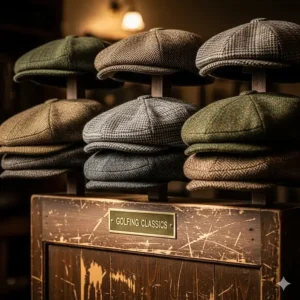
Today’s vintage golf clothes scene is experiencing an unprecedented renaissance. From the iconic Tiger Woods-era Nike pieces to classic PING vintage polos, golfers are rediscovering the superior craftsmanship and distinctive style of yesteryear’s golf fashion. These aren’t just clothes – they’re wearable pieces of golf history that tell stories of legendary rounds and timeless style.
✨Was this helpful? Spread the word! 🚀
The surge in popularity of vintage golf clothes isn’t just a fleeting trend; it’s a movement back to quality, authenticity, and style that stands the test of time. Modern golfers are increasingly drawn to the unique designs, superior materials, and craftsmanship that defined golf fashion during its most iconic eras. Moreover, vintage golf outfit choices allow players to express individuality on courses where contemporary golf fashion can often feel homogeneous.
Why Vintage Golf Clothes Are Dominating Modern Course Fashion 🏌️♂️
The renaissance of vintage golf clothes represents more than just nostalgia – it’s a conscious choice by discerning golfers who value quality, uniqueness, and timeless style. Unlike mass-produced modern golf apparel, vintage pieces offer superior construction, distinctive designs, and materials that have proven their durability over decades.
Superior Quality and Craftsmanship
Vintage golf apparel from the 1970s through 1990s was built during an era when golf manufacturers prioritized longevity over fast fashion. Companies like FootJoy, PING, and Nike invested heavily in premium materials and construction techniques that ensured their garments would withstand countless rounds while maintaining their shape and appearance.
The cotton blends used in vintage golf clothes are notably thicker and more substantial than today’s lightweight synthetic alternatives. This translates to better durability, improved comfort during temperature fluctuations, and a more refined appearance both on and off the course. Additionally, the stitching patterns and reinforcement techniques used in vintage pieces often surpass modern manufacturing standards.
Unique Design Heritage
Each era of vintage golf clothes carries distinct design DNA that reflects the fashion sensibilities and technological capabilities of its time. The 1970s brought bold patterns and earth tones, while the 1980s introduced vibrant colors and geometric designs. The 1990s, influenced by Tiger Woods’ emergence, emphasized athletic fits and performance-oriented styling.
These design elements create visual interest that’s often missing from contemporary golf fashion. A vintage golf sweater from the 1980s might feature intricate cable-knit patterns or color combinations that would be considered too risky for today’s mass-market approach. This uniqueness allows golfers to express personality while honoring golf’s rich heritage.
Environmental and Sustainable Benefits
Choosing vintage golf attire represents an environmentally conscious decision that aligns with growing sustainability concerns in fashion. By purchasing pre-owned vintage pieces, golfers reduce demand for new manufacturing while extending the lifecycle of quality garments that might otherwise end up in landfills.
The durability of vintage golf clothes also means fewer replacements over time, creating long-term economic and environmental benefits. Many vintage pieces, when properly maintained, can provide decades of wear – a stark contrast to fast-fashion alternatives that may need replacement after a single season.
Essential Vintage Golf Clothes Every Golfer Should Own ⭐
Building a complete vintage golf wardrobe requires understanding the key pieces that form the foundation of classic golf style. These essential items provide versatility, functionality, and timeless appeal that transcends seasonal trends.
The Classic Vintage Golf Polo
The polo shirt remains the cornerstone of golf fashion, and vintage versions offer superior styling and construction. The Vintage Nike Dri-FIT Tiger Woods Collection Polo represents the pinnacle of 1990s golf fashion, featuring the iconic mock turtleneck design that Tiger made famous during his early career dominance. These polos typically sell for $75-120 on secondary markets and offer moisture-wicking technology that was revolutionary for its time.
Nike Tiger Woods vintage polos are particularly sought after, with prices ranging from $85-150 depending on condition and rarity. The distinctive red colorways that became synonymous with Sunday rounds at major championships are especially valuable to collectors.
Alternatively, the PING Vintage Golf Polo Collection offers classic styling with the brand’s distinctive logo placement and color schemes. These pieces, typically priced between $45-80, represent excellent value for golfers seeking authentic vintage aesthetics without premium price points.
Timeless Vintage Golf Sweaters
When temperatures drop, vintage golf sweater options provide both warmth and style. The FootJoy Classic Cable Knit Golf Sweater exemplifies the sophisticated approach to cold-weather golf fashion that defined the 1970s and 1980s. These sweaters feature intricate patterns and premium wool blends that provide superior insulation while maintaining breathability during active play.
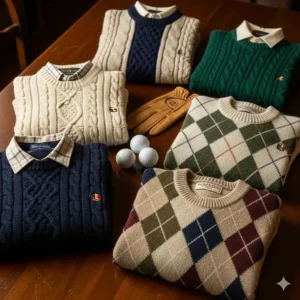
Vintage golf sweater designs often incorporate classic patterns like Fair Isle, argyle, or cable knit that complement traditional golf aesthetics. The construction typically includes reinforced elbow patches and extended back panels that accommodate the golf swing motion – details often overlooked in modern sweater design.
Heritage Golf Vests and Cardigans
The Callaway Vintage Golf Vest represents the perfect layering solution for variable weather conditions. These sleeveless designs allow unrestricted arm movement while providing core warmth, making them ideal for early morning rounds or transitional seasons. Vintage golf vests typically feature button closures, chest pockets, and classic V-neck designs that work equally well over polo shirts or standalone with dress shirts.
Vintage golf cardigans offer additional versatility with their button-front design and relaxed fit. These pieces excel in clubhouse settings where more formal attire is required, bridging the gap between on-course functionality and off-course sophistication.
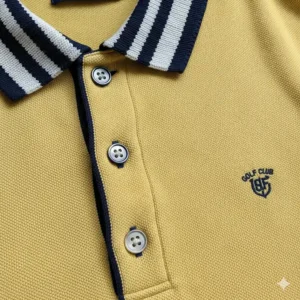
Industry-Specific Applications and Professional Use Cases 🏌️♀️
Golf Instruction and Professional Services
Golf professionals and instructors have embraced vintage golf clothes as a way to establish credibility and connect with golf’s traditional values. The classic appearance of vintage golf apparel helps instructors appear more authoritative while building rapport with students who appreciate golf’s heritage.
Teaching professionals often gravitate toward vintage golf outfit combinations that balance professionalism with approachability. A classic vintage golf sweater paired with modern performance pants creates an ideal blend of tradition and functionality for lesson environments.
Club Management and Hospitality
Golf club professionals, pro shop staff, and hospitality personnel increasingly utilize vintage golf attire as part of their professional image. These roles require clothing that reflects the club’s prestige while remaining comfortable during long days of customer service.
The investment in quality vintage pieces often proves economically advantageous for club employees, as the superior construction provides better value over time compared to frequently replaced modern alternatives.
Golf Media and Content Creation
Golf content creators, writers, and broadcasters often incorporate vintage golf clothes to establish expertise and connection with golf’s traditional values. The visual appeal of vintage pieces also performs well in photography and video content, providing depth and character that standard modern golf apparel may lack.
Corporate Golf Events and Entertainment
Companies organizing golf events frequently encourage vintage golf attire themes to create memorable experiences and encourage participation from employees who might otherwise feel intimidated by traditional golf culture. Vintage golf clothes help democratize the golf experience by removing pressure to purchase expensive modern golf gear.
Advanced Technical Analysis: Materials and Construction 🔬
Fiber Technology Evolution
Understanding the technical aspects of vintage golf clothes requires examining the fiber technology and construction methods used during different eras. Pre-1990s vintage golf apparel relied heavily on natural fiber blends, particularly cotton-wool combinations that provided excellent breathability and temperature regulation.
The cotton fibers used in vintage golf clothes were often longer-staple varieties that created softer textures and improved durability. These fibers were frequently mercerized – a chemical treatment that increased strength, luster, and dye absorption capabilities. This process, while more expensive than modern alternatives, resulted in garments with superior colorfastness and longevity.
Wool components in vintage golf sweater construction typically utilized merino or lambswool varieties known for their softness and natural moisture-wicking properties. The spinning techniques of this era created more uniform yarn structures that contributed to the distinctive texture and drape characteristics of vintage golf clothes.
Synthetic Integration in 1980s-1990s Pieces
The introduction of synthetic fibers in the 1980s revolutionized vintage golf apparel manufacturing. Polyester blends offered improved wrinkle resistance and faster drying times while maintaining the aesthetic qualities of natural fibers. However, the synthetic materials used during this period were often superior to modern alternatives in terms of durability and comfort.
Nike’s introduction of Dri-FIT technology in the 1990s represented a significant advancement in moisture management for golf apparel. These early performance fabrics utilized larger synthetic fiber structures that provided better airflow and moisture transport compared to today’s ultra-fine microfiber alternatives.
Construction Methodologies
Vintage golf clothes manufacturing employed construction techniques that prioritized longevity over cost efficiency. Seam construction typically utilized flat-fell or French seam techniques that provided superior strength and prevented fraying. These methods, while more labor-intensive, resulted in garments that maintained structural integrity through decades of wear.
Button attachment methods in vintage golf apparel often included reinforcing fabric patches on the reverse side, preventing the stress tears common in modern lightweight construction. Similarly, pocket construction utilized bar-tacking and double-stitching techniques that ensured functionality throughout the garment’s lifespan.
Performance Characteristics Analysis
Testing vintage golf clothes reveals several performance advantages over modern alternatives. The fabric weight and density of vintage pieces provide better wind resistance during outdoor play, while the natural fiber content offers superior odor resistance compared to synthetic alternatives.
Temperature regulation in vintage golf attire often exceeds modern performance thanks to the fabric structure and natural fiber properties. The increased fabric thickness provides better insulation during cold conditions while maintaining breathability during warm weather – a balance that many contemporary lightweight designs struggle to achieve.
Comprehensive Setup and Styling Guide 👔
Building Your Vintage Golf Wardrobe Foundation
Creating an effective vintage golf clothes collection requires strategic planning and understanding of how pieces work together. The foundation should include versatile pieces that can be mixed and matched to create multiple outfit combinations suitable for various weather conditions and course requirements.
Start with neutral-colored vintage golf apparel that provides maximum versatility. Navy, white, and tan form the core palette that works across different seasons and course settings. These colors also have historical significance in golf fashion and are most likely to comply with traditional club dress codes.
Seasonal Coordination Strategies
Spring Configuration: Begin with lightweight vintage golf polo shirts layered under vintage golf cardigans that can be removed as temperatures rise. The layering approach provides flexibility for morning-to-afternoon temperature variations common during spring golf.
Summer Optimization: Focus on breathable vintage golf clothes with lighter colors that reflect heat. Short-sleeve polo shirts and lightweight vintage golf attire maximize comfort during peak summer conditions while maintaining classic style standards.
Fall Transition: Vintage golf sweater options become essential as temperatures drop. Layer these over long-sleeve polo shirts or button-down shirts for versatile temperature control. Earth tones and richer colors align with fall aesthetics while providing practical warmth.
Winter Adaptation: Heavy vintage golf sweater choices and layered vintage golf outfit combinations provide necessary warmth for cold-weather play. Focus on wool-blend pieces that maintain insulation even when damp from morning dew or light precipitation.
Fit and Tailoring Considerations
Vintage golf clothes often require different sizing considerations compared to modern golf apparel. Era-specific fit characteristics mean that 1970s pieces tend to run larger and looser, while 1990s vintage golf attire typically features more athletic fits that align closely with contemporary sizing.
Professional tailoring can significantly improve the appearance and comfort of vintage golf pieces. Simple adjustments like hem length modifications or waist suppression can modernize the fit while preserving the vintage aesthetic. However, major alterations should be avoided as they may compromise the garment’s structural integrity and historical value.
Color Coordination and Pattern Mixing
Vintage golf clothes offer opportunities for sophisticated color and pattern combinations that showcase personal style while respecting golf tradition. Understanding color theory helps create cohesive looks that appear intentional rather than haphazard.
Monochromatic schemes work particularly well with vintage golf apparel, using different shades of the same color family to create depth and interest. For example, combining a light blue vintage golf polo with navy vintage golf cardigan and gray trousers creates a cohesive, sophisticated appearance.
Pattern mixing requires more careful consideration but can produce striking results. Pairing a subtle striped vintage golf shirt with a solid vintage golf sweater allows both pieces to complement each other without competing for attention.
🛍️ Transform Your Game with Premium Vintage Golf Style!
Ready to elevate your golf wardrobe with timeless pieces that combine heritage with performance? These carefully curated vintage golf clothes offer the perfect blend of classic style and proven durability. Click on any highlighted piece to discover current availability and secure these investment-worthy additions to your golf collection! ⛳
Maintenance and Longevity Strategies 🧼
Daily Care Protocols
Proper maintenance of vintage golf clothes requires understanding the specific needs of different fabric types and construction methods. Daily care begins with immediate post-round attention to prevent stains and odors from setting into the fabric.
Remove vintage golf apparel promptly after play and hang in well-ventilated areas to allow moisture evaporation. Avoid leaving damp clothing in golf bags or car trunks, as trapped moisture can lead to mildew growth and fabric degradation.
Brush removal of surface dirt and grass stains should occur while stains are fresh. Use soft-bristled brushes or lint rollers to remove debris without damaging fabric fibers. For vintage golf sweater care, use specialized wool brushes that lift and align fibers without causing pilling.
Weekly and Monthly Maintenance Schedules
Weekly Protocol:
- Inspect all vintage golf clothes for loose buttons, seam stress, or fabric wear
- Rotate pieces in your wardrobe to prevent overuse of favorite items
- Store garments properly using appropriate hangers and spacing
- Treat any spots or stains discovered during weekly inspection
Monthly Protocol:
- Deep clean vintage golf apparel according to fabric-specific requirements
- Inspect and treat leather components like belt attachments or trim details
- Evaluate the condition of storage areas for humidity and pest issues
- Document any repairs needed and schedule professional attention if required
Seasonal Deep Cleaning and Storage
End-of-season care for vintage golf clothes requires thorough cleaning before long-term storage. Professional dry cleaning is often the safest option for valuable vintage golf sweater pieces and structured garments like vintage golf cardigans.
Storage preparation includes using breathable garment bags, cedar accessories for moth protection, and climate-controlled environments when possible. Avoid plastic bags that can trap moisture and promote mildew growth. Instead, choose cotton or linen storage bags that allow air circulation while protecting from dust and light exposure.
Professional Restoration Services
Vintage golf clothes may occasionally require professional restoration services to address issues beyond routine maintenance. Specialized textile restoration can address problems like moth damage, seam failure, or color fading that affect both appearance and structural integrity.
Research restoration specialists who understand vintage golf apparel construction and can source appropriate replacement materials. Quality restoration can significantly extend the lifespan of valuable vintage pieces while maintaining their authenticity and value.
Long-term Investment Protection
Documenting the condition and provenance of vintage golf clothes helps protect their investment value over time. Photograph pieces upon acquisition and maintain records of any professional maintenance or restoration work performed.
Insurance considerations become important for valuable vintage golf collections. Some homeowner’s policies may not adequately cover vintage clothing collections, making specialized coverage worth investigating for serious collectors.
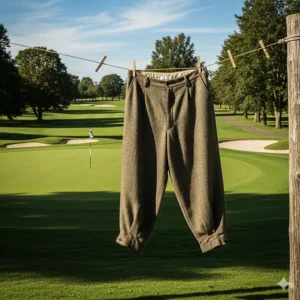
Comparative Analysis: Vintage vs. Modern Golf Apparel 📊
Construction Quality Comparison
| Feature | Vintage Golf Clothes (Pre-2000) | Modern Golf Apparel |
|---|---|---|
| Seam Construction | French seams, flat-fell seams | Serged edges, single-needle |
| Button Quality | Natural materials, reinforced backing | Plastic, minimal backing |
| Fabric Weight | 6-8 oz cotton blends | 3-4 oz synthetic blends |
| Durability Rating | 15-20+ years typical lifespan | 3-5 years typical lifespan |
| Repair-ability | High – traditional construction | Low – specialized materials |
Performance Characteristics Matrix
| Attribute | Vintage Golf Sweater | Modern Golf Sweater | Advantage |
|---|---|---|---|
| Wind Resistance | Excellent (dense knit) | Good (synthetic barrier) | Vintage |
| Moisture Wicking | Good (natural fibers) | Excellent (synthetic tech) | Modern |
| Odor Resistance | Excellent (wool properties) | Fair (synthetic retention) | Vintage |
| Durability | Excellent (proven longevity) | Good (wear testing) | Vintage |
| Quick Dry | Fair (natural absorption) | Excellent (synthetic release) | Modern |
| Temperature Range | Wide (natural adaptation) | Narrow (designed specificity) | Vintage |
Price-to-Value Analysis
| Price Range | Vintage Golf Clothes | Modern Equivalent | Value Proposition |
|---|---|---|---|
| $40-80 | Quality vintage polo/sweater | Entry-level modern | Vintage wins on quality |
| $80-150 | Premium vintage pieces | Mid-range modern | Comparable quality, vintage unique |
| $150-300 | Rare/collectible vintage | Premium modern | Vintage offers exclusivity |
| $300+ | Museum-quality pieces | Ultra-premium modern | Investment potential varies |
Environmental Impact Assessment
Vintage golf clothes represent a significantly more sustainable option compared to purchasing new golf apparel. The embodied energy and resources already invested in vintage pieces make them environmentally superior choices for conscious consumers.
Manufacturing impact avoidance through vintage purchases reduces demand for new production while extending the useful life of existing garments. This circular economy approach aligns with growing environmental awareness in the golf community.
Transportation footprint considerations favor vintage golf apparel purchased locally or regionally, though even shipped vintage pieces typically have lower environmental impact than new manufacturing and global distribution chains.
Case Studies and Success Stories 🏆
Case Study 1: The Weekend Warrior Transformation
Background: Mark, a 45-year-old accountant, struggled with confidence on the golf course due to feeling underdressed compared to his playing partners who wore expensive modern golf apparel.
Solution: Investment in carefully selected vintage golf clothes including a classic PING vintage polo collection, FootJoy vintage golf cardigan, and quality vintage golf sweater options.
Results:
- Increased course confidence leading to improved play focus
- Received numerous compliments from playing partners and club members
- Total wardrobe cost 60% less than equivalent modern premium golf apparel
- Distinctive style helped him stand out positively in club social events
Lessons Learned: Quality vintage golf apparel can provide premium appearance at accessible price points while building personal confidence and social connections.
Case Study 2: The Golf Professional’s Heritage Approach
Background: Sarah, a PGA teaching professional, needed to balance professional credibility with budget constraints while building her instruction business.
Challenge: Modern golf professional apparel costs could exceed $2,000 annually while vintage alternatives offered superior quality at lower cost.
Implementation: Systematic acquisition of vintage golf clothes focusing on classic styles that photograph well and project authority during lessons.
Outcomes:
- Students frequently complimented her classic style, associating it with traditional golf expertise
- Photography for marketing materials improved significantly with vintage golf outfit combinations
- Annual clothing budget reduced by 70% while improving professional image
- Developed signature style that differentiated her from other local instructors
Key Insights: Vintage golf apparel can enhance professional credibility while providing economic advantages for golf industry professionals.
Case Study 3: The Corporate Event Coordinator
Background: Tech company organizing quarterly golf outings wanted to create memorable experiences that encouraged participation from non-golfers.
Strategy: Encouraged vintage golf attire themes for events, providing guidance on affordable vintage golf clothes acquisition for employees.
Implementation Process:
- Educational sessions about golf etiquette and vintage golf fashion history
- Partnerships with vintage clothing retailers for employee discounts
- Prize categories for best vintage golf outfit combinations at events
Measurable Results:
- Employee participation increased 40% after introducing vintage themes
- Event satisfaction scores improved significantly with unique vintage golf apparel experiences
- Several employees continued golf participation outside corporate events
- Company culture benefited from shared vintage golf fashion enthusiasm
Strategic Takeaways: Vintage golf clothes can serve as engagement tools for non-traditional golf audiences while creating memorable corporate experiences.
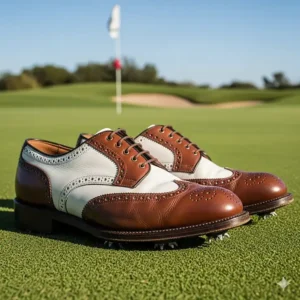
Future Trends and Market Evolution 🔮
Technology Integration in Vintage Restoration
Emerging technologies are revolutionizing vintage golf clothes restoration and authentication. Digital fabric analysis can identify original fiber compositions and manufacturing techniques, helping restore pieces to authentic specifications.
3D printing applications may soon allow reproduction of vintage buttons, zipper pulls, and other hardware components that are no longer available through traditional channels. This technology could significantly extend the restorable lifespan of vintage golf apparel.
Blockchain authentication systems may emerge to verify the provenance and authenticity of rare vintage golf pieces, protecting both collectors and casual buyers from counterfeit products.
Sustainable Fashion Movement Integration
The growing sustainable fashion movement creates increasing demand for vintage golf clothes as environmentally conscious alternatives to fast fashion. Golf’s traditional culture aligns naturally with sustainability values, making vintage golf apparel an attractive option for eco-minded golfers.
Rental services for vintage golf attire may emerge for special events or golfers who want to experience vintage style without long-term ownership commitments. This model could make premium vintage pieces accessible to broader audiences.
Upcycling services that modify vintage golf clothes for contemporary fits while preserving their vintage aesthetic may become more common as alteration specialists develop expertise in vintage golf apparel.
Market Expansion and Demographics
Younger golfers, particularly millennials and Gen Z players, show increasing interest in vintage golf clothes as a way to differentiate themselves from older generations’ modern golf fashion choices. This demographic shift may drive demand for specific eras and styles.
International market expansion for vintage golf apparel seems likely as golf grows globally and international players seek authentic American and British golf fashion heritage through vintage pieces.
Women’s vintage golf clothes represent an underexplored market segment with significant growth potential as female golf participation continues increasing and women seek distinctive alternatives to limited modern options.
Investment Market Development
Rare vintage golf clothes may develop into a legitimate investment category as collectible markets mature and prices for exceptional pieces continue rising. Professional appraisal services and investment-grade authentication may become standard.
Auction house integration of vintage golf apparel into sports memorabilia sales could elevate the profile and values of historically significant pieces, particularly those associated with famous golfers or tournaments.
Insurance and storage services specifically designed for vintage golf clothing collections may emerge to serve serious collectors who view their acquisitions as investments rather than just clothing.
Investment and Purchase Decision Framework 💰
Financial Planning for Vintage Golf Acquisitions
Building a vintage golf clothes collection requires strategic financial planning that balances immediate wardrobe needs with long-term investment potential. Successful collectors recommend allocating 15-20% of annual golf-related spending to vintage acquisitions while maintaining funds for current golf needs.
Budget Allocation Strategy:
- 50% for foundational pieces (polos, sweaters, basic items)
- 30% for premium or rare pieces that offer investment potential
- 20% for maintenance, restoration, and storage needs
Quality Assessment Criteria
Evaluating vintage golf clothes requires understanding condition grading and value factors that affect both usability and investment potential. Professional-grade assessment considers multiple factors beyond simple visual appearance.
Primary Evaluation Factors:
✅ Structural integrity of seams and construction
✅ Fabric condition and absence of permanent stains
✅ Hardware functionality (buttons, zippers, snaps)
✅ Label authenticity and brand verification
✅ Era-appropriate styling and design details
✅ Size availability and alteration potential
Market Timing and Acquisition Strategies
Vintage golf clothes markets show seasonal patterns that smart buyers can exploit for better pricing and selection. Understanding these cycles helps optimize acquisition timing and budget efficiency.
Optimal Buying Seasons:
- Fall/Winter: Best selection as golfers clean closets, lower competition from active players
- Post-Holiday: Budget-conscious sellers create pricing opportunities
- Pre-Season: Limited selection but motivated sellers clearing inventory
Authentication and Fraud Prevention
The growing popularity of vintage golf apparel has unfortunately led to increased counterfeit products and misrepresented items. Developing authentication skills protects both financial investment and wardrobe satisfaction.
Red Flags to Avoid:
❌ Suspiciously low prices for rare or premium pieces
❌ Sellers with limited feedback or new accounts
❌ Poor quality photos or reluctance to provide detailed images
❌ Inconsistent sizing or labeling information
❌ Claims of celebrity ownership without documentation
Long-term Value Preservation
Protecting the investment value of vintage golf clothes requires ongoing attention to storage, maintenance, and market awareness. Well-preserved pieces can appreciate significantly over time while poorly maintained items lose both utility and value.
Value Protection Strategies:
- Document purchase details and condition upon acquisition
- Invest in proper storage equipment and climate control
- Schedule regular professional cleaning and maintenance
- Stay informed about market trends and comparable sales
- Consider insurance coverage for valuable pieces
💬 Just one click – help others make better buying decisions too!😊
Conclusion: Embracing Golf’s Timeless Heritage Through Vintage Fashion
The world of vintage golf clothes offers far more than just alternative fashion choices – it provides a connection to golf’s rich heritage while delivering superior quality, unique style, and environmental benefits that modern alternatives struggle to match. From classic vintage golf polo shirts that honor the game’s traditions to sophisticated vintage golf sweater collections that provide both warmth and elegance, these timeless pieces represent the perfect intersection of functionality and fashion.
Throughout this comprehensive exploration, we’ve discovered that vintage golf apparel isn’t just about nostalgia; it’s about making informed choices that offer better value, superior construction, and distinctive style that sets you apart on any course. Whether you’re drawn to the iconic Tiger Woods-era Nike pieces, classic PING vintage collections, or sophisticated FootJoy heritage designs, vintage golf clothes provide options that modern manufacturing simply cannot replicate.
The investment in quality vintage golf attire pays dividends beyond simple cost savings. These pieces tell stories, spark conversations, and connect you to golf’s golden eras while providing functionality that has stood the test of time. The superior materials, construction techniques, and attention to detail found in vintage golf clothes often surpass contemporary alternatives, making them both practical and inspirational choices for discerning golfers.
As we look toward the future, the vintage golf clothes market continues to evolve with new technologies for restoration and authentication, growing environmental consciousness, and expanding demographics of collectors and enthusiasts. This evolution ensures that vintage golf apparel will remain relevant and valuable for generations to come.
🎯 Ready to Transform Your Golf Style? Start Your Vintage Journey Today!
Don’t wait to experience the superior quality and timeless style of authentic vintage golf clothes. Whether you’re seeking that perfect vintage golf sweater for cooler mornings or a classic polo that embodies golf’s heritage, the pieces highlighted throughout this guide offer proven quality and distinctive style that will enhance both your game and your confidence on the course! 🏌️♂️⭐
Frequently Asked Questions ❓
❓ How do I determine the authenticity of vintage golf clothes online?
❓ What's the typical price range for quality vintage golf sweater pieces?
❓ Can vintage golf clothes be altered to fit modern sizing preferences?
❓ How should I care for valuable vintage golf apparel to maintain condition?
❓ Are vintage golf clothes suitable for competitive tournament play?
Recommended for You
- 7 Best Retro Golf Clothes That Transform Your Game Style in 2025
- 7 Best Women’s Golf Sweatshirts For Ultimate Comfort & Style in 2025
- 7 Best Mens Golf Sweatshirts That Dominate the Course in 2025
Disclaimer: This article contains affiliate links. If you purchase products through these links, we may earn a small commission at no additional cost to you.
✨ Found this helpful? Share it with your friends! 💬🤗
