
In This Article
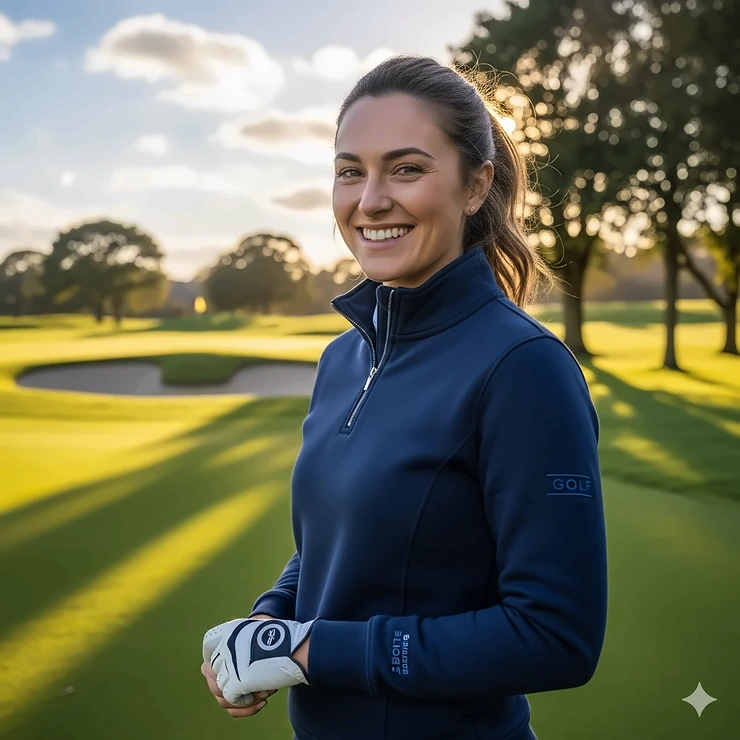
The golf course can be unpredictable when it comes to weather, and nothing beats the versatility of a quality women’s golf sweatshirt. Whether you’re facing early morning chill, unexpected afternoon winds, or simply want that extra layer of comfort during your round, the right golf sweatshirt makes all the difference. 🏌️♀️
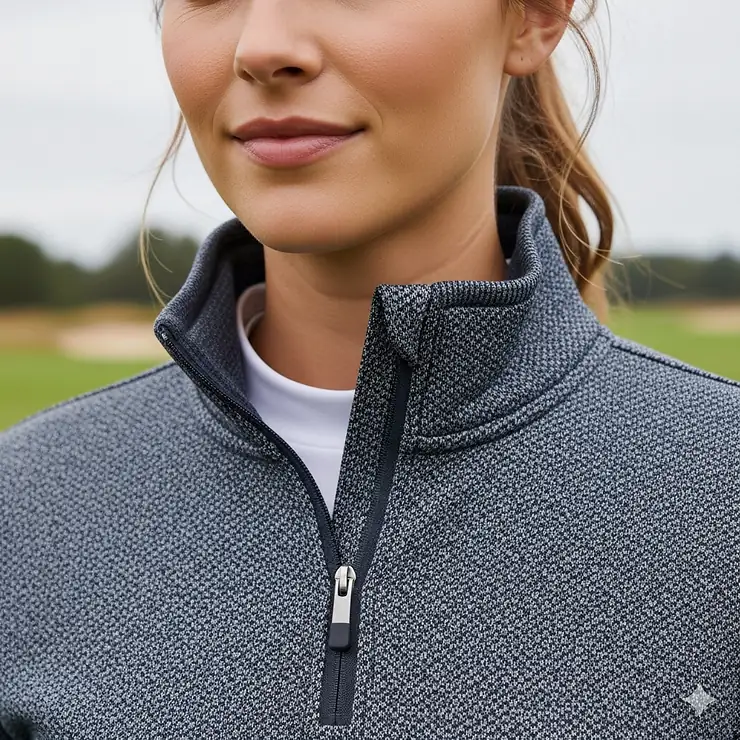
Today’s women’s golf sweatshirts combine technical performance with stylish designs that transition beautifully from the course to casual wear. Gone are the days of bulky, restrictive layering options that hindered your swing. Modern golf sweatshirts for women feature moisture-wicking fabrics, four-way stretch technology, and thoughtful design elements that enhance both comfort and performance.
✨Was this helpful? Spread the word! 🚀
The surge in women’s golf participation has reached remarkable heights, with female golfers now representing 28% of all on-course players – the highest percentage ever recorded according to the National Golf Foundation. This growth has sparked innovation in women’s golf apparel, particularly in versatile pieces like sweatshirts that address the unique needs of female golfers.
Why Women’s Golf Sweatshirts Are Essential 🌟
Women’s golf sweatshirts serve multiple purposes on the course. First, they provide crucial temperature regulation during those early morning tee times when the dew is still heavy and temperatures haven’t warmed up yet. However, as the day progresses and your body heat increases from walking and swinging, the best golf sweatshirts allow you to maintain optimal comfort without overheating.
The technical aspects of modern women’s golf sweatshirts include moisture-wicking properties that draw sweat away from your skin, maintaining dry comfort throughout your round. Many also feature UPF protection to shield you from harmful UV rays during those sunny afternoon rounds. ☀️
Furthermore, the psychological comfort of wearing proper golf apparel cannot be understated. When you feel confident in what you’re wearing, it translates to better performance on the course. Women’s golf sweatshirts that fit well and look stylish can boost your confidence, allowing you to focus entirely on your game.
Top 7 Women’s Golf Sweatshirts: Expert Reviews & Analysis 📊
1. Under Armour Women’s Rival Fleece Hoodie – $45-65
The Under Armour Women’s Rival Fleece Hoodie stands as a testament to versatility and comfort in golf apparel. This cotton-blend fleece construction offers ultra-soft warmth without the bulk that can restrict your swing. The relaxed fit design accommodates layering while maintaining a flattering silhouette.
Key Specifications:
- Material: 80% cotton, 20% polyester fleece
- Weight: Lightweight at approximately 9.5 oz
- Sizes: XS-XXL available
- Colors: 12+ color options including classic navy, black, and seasonal hues
Customer reviews consistently praise the Under Armour Women’s Rival Fleece Hoodie for its durability and comfort. One verified purchaser noted, “Perfect for early morning golf rounds – keeps me warm without making me feel bulky during my swing.” The kangaroo pocket provides convenient storage for small items like tees or scorecards.
2. Nike Women’s Golf Tour Dri-FIT Hoodie – $80-100
Nike’s reputation in golf apparel shines through in this premium offering. The Nike Women’s Golf Tour Dri-FIT Hoodie features the brand’s signature moisture-wicking technology combined with a sleek, athletic design that looks equally at home on the course or in the clubhouse.
Key Specifications:
- Material: 100% polyester with Dri-FIT technology
- Features: Four-way stretch, moisture-wicking, quick-dry
- Fit: Athletic cut with slightly tapered waist
- UV Protection: UPF 30+
The absence of a front pocket creates a cleaner design aesthetic while eliminating potential swing interference. Professional golfers have been spotted wearing similar Nike models during cooler tournament conditions, testament to its performance credentials.
3. Adidas Golf Women’s Go-to Primegreen Crew Sweatshirt – $55-75
Sustainability meets performance in the Adidas Golf Women’s Go-to Primegreen Crew Sweatshirt. Constructed from recycled polyester materials, this eco-conscious option doesn’t compromise on functionality. The crew neck design offers a classic look while the relaxed fit ensures unrestricted movement.
Key Specifications:
- Material: 70% recycled polyester, 30% cotton
- Sustainability: Made with Primegreen recycled materials
- Features: Soft brushed interior, ribbed cuffs and hem
- Temperature Rating: Ideal for 45-65°F conditions
The Adidas Golf Women’s Go-to Primegreen Crew Sweatshirt represents the growing trend toward sustainable golf apparel without sacrificing performance. Its breathable fabric construction prevents overheating while providing adequate warmth for cooler conditions.
4. TravisMathew Women’s Golden State Hooded Sweatshirt – $129
TravisMathew’s California-inspired design philosophy shines in this premium golf sweatshirt. The TravisMathew Women’s Golden State Hooded Sweatshirt combines lifestyle aesthetics with technical performance features, making it perfect for the golfer who values both function and fashion.
Key Specifications:
- Material: Premium cotton-polyester blend
- Design: California-inspired graphics and colorways
- Fit: Modern athletic cut
- Special Features: Reinforced seaming, quality construction
Currently available at significant discounts through Golf Galaxy, this represents exceptional value for a premium brand known for its quality craftsmanship and attention to detail.

5. TravisMathew Women’s Long Sleeve Cloud 1/2 Zip Golf Pullover – $110-129
The TravisMathew Women’s Long Sleeve Cloud 1/2 Zip Golf Pullover elevates the traditional sweatshirt concept with its sophisticated half-zip design and premium Cloud fabric technology. This piece exemplifies the modern approach to golf layering – technical enough for serious play yet stylish enough for post-round activities.
Key Specifications:
- Material: TravisMathew’s proprietary Cloud fabric
- Features: Four-way stretch, moisture-wicking, quick-dry
- Design: Half-zip with stand-up collar
- Versatility: Course-to-clubhouse styling
The TravisMathew Women’s Long Sleeve Cloud 1/2 Zip Golf Pullover has garnered praise from golf professionals for its exceptional range of motion and temperature regulation capabilities. The half-zip design allows for easy ventilation adjustments as conditions change throughout your round.
6. TravisMathew Women’s Skyloft Soft Golf Hoodie – $119 (Sale: $63-99)
Combining the comfort of a traditional hoodie with golf-specific performance features, the TravisMathew Women’s Skyloft Soft Golf Hoodie bridges the gap between athletic and lifestyle apparel. The ultra-soft fabric construction provides luxury comfort while maintaining the technical properties needed for active golf.
Key Specifications:
- Material: Soft-touch performance fabric blend
- Weight: Lightweight construction
- Features: Adjustable hood, front pocket
- Care: Machine washable, maintains shape after washing
This model consistently receives high ratings for its soft feel and durability, with many golfers purchasing multiple colors for their rotation.
7. PUMA Women’s YouV Brrr Golf Hoodie – $65
PUMA’s innovative approach to temperature regulation shines in the PUMA Women’s YouV Brrr Golf Hoodie. The proprietary Brrr technology provides cooling comfort even when layering, making it ideal for golfers who tend to run warm or play in variable conditions.
Key Specifications:
- Material: Performance polyester with Brrr cooling technology
- Features: Cooling fibers, moisture-wicking, quick-dry
- Unique Technology: Brrr triple chill effect
- Fit: Athletic cut with feminine silhouette
The PUMA Women’s YouV Brrr Golf Hoodie represents cutting-edge fabric technology applied to golf apparel, providing a cooling sensation that helps regulate body temperature throughout your round.
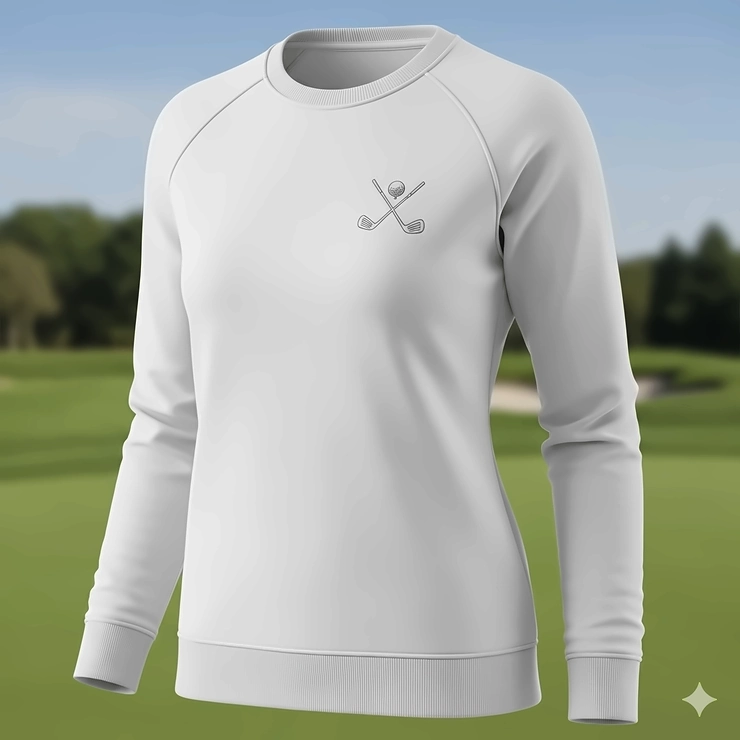
Quick Comparison Table: Top Women’s Golf Sweatshirts 📋
| Brand | Model | Price Range | Key Feature | Best For |
|---|---|---|---|---|
| Under Armour | Rival Fleece Hoodie | $45-65 | Ultra-soft cotton blend | All-day comfort |
| Nike | Tour Dri-FIT Hoodie | $80-100 | Moisture-wicking tech | Performance-focused |
| Adidas | Go-to Primegreen Crew | $55-75 | Sustainable materials | Eco-conscious golfers |
| TravisMathew | Golden State Hoodie | $28-31 (Sale) | Premium construction | Value seekers |
| TravisMathew | Cloud 1/2 Zip Pullover | $110-129 | Four-way stretch | Versatility |
| TravisMathew | Skyloft Soft Hoodie | $63-99 (Sale) | Ultra-soft fabric | Luxury comfort |
| PUMA | YouV Brrr Hoodie | $65 | Cooling technology | Temperature regulation |
💬 Just one click – help others make better buying decisions too!😊
Don’t Miss These Exclusive Deals! ⭐
→Take your golf wardrobe to the next level with these carefully selected women’s golf sweatshirts. Click on any highlighted item to check current pricing and availability. These performance pieces will help you stay comfortable and confident throughout every round! 🏌️♀️✨
Industry-Specific Applications of Women’s Golf Sweatshirts 🏌️♀️
Professional Tournament Play
Professional women golfers have increasingly embraced technical sweatshirts during tournament play, particularly in cooler conditions. The LPGA Tour has seen a notable shift toward allowing more casual, performance-oriented layering options that still maintain the sport’s professional appearance standards. Women’s golf sweatshirts that meet these requirements typically feature minimal branding, classic colors, and technical fabrics that enhance performance without drawing attention.
Tournament-level golf sweatshirts must provide unrestricted range of motion for the dynamic golf swing while maintaining a polished appearance for television coverage and sponsor requirements. Many professional golfers work with equipment representatives to customize their sweatshirts with specific fabric weights and fits tailored to their swing characteristics and personal preferences.
The psychological aspect of professional wear cannot be understated – when competing at the highest levels, every element of comfort and confidence matters. Professional golfers often have multiple identical sweatshirts to ensure consistency throughout tournament weeks, as laundry and travel can impact garment availability.
Golf Instruction and Coaching Applications
Golf instructors and coaches spend considerable time outdoors in varying weather conditions, making quality golf sweatshirts essential professional attire. The teaching professional needs garments that facilitate clear demonstration of swing mechanics while providing protection from the elements during lengthy lesson sessions.
Instructional environments require sweatshirts that maintain their appearance through repeated washing and extended wear. Many teaching professionals prefer darker colors that hide minor dirt and grass stains accumulated during on-course instruction. The ability to easily layer and remove clothing as weather conditions change throughout the day becomes crucial for instructors who may teach for 8-10 hours consecutively.
Furthermore, golf instructors often serve as style ambassadors for their facilities, requiring apparel that reflects the professional standards of their golf club or academy. Women’s golf sweatshirts for instruction should project competence and professionalism while providing the practical benefits needed for extended outdoor work.
Corporate Golf and Business Entertainment
The corporate golf environment has specific requirements for women’s golf attire, including sweatshirts. Business golf events often require participants to maintain professional appearance standards while adapting to outdoor conditions and physical activity. Women’s golf sweatshirts for corporate events should project success and competence while providing comfort during networking rounds.
Corporate golf participants often need versatile pieces that transition seamlessly from morning golf to afternoon business meetings or evening social events. The ideal corporate golf sweatshirt maintains its appearance throughout a full day of activities while providing the technical performance needed for golf.
Color selection becomes particularly important in corporate settings, with classic navy, black, charcoal, and white typically being the most appropriate choices. Subtle branding or embroidered logos can enhance the professional appearance while maintaining the understated elegance expected in business environments.
Resort and Destination Golf
Resort golf destinations present unique challenges for women’s golf apparel, including sweatshirts. Travelers must pack efficiently while preparing for varying weather conditions and multiple rounds of golf. Resort golf sweatshirts should offer versatility for different activities – morning golf, afternoon sightseeing, and evening dining.
The packability of golf sweatshirts becomes crucial for travelers. Lightweight, wrinkle-resistant fabrics that compress well in luggage while maintaining their shape and appearance are essential. Many resort golfers prefer sweatshirts that can serve double duty as casual evening wear, reducing packing requirements.
Resort environments often feature more relaxed dress codes, allowing for creative color choices and fun design elements that might not be appropriate for traditional golf clubs. However, maintaining the technical performance characteristics remains important for golf play regardless of the relaxed atmosphere.
Golf Fitness and Training Applications
The growing trend of golf-specific fitness training has created demand for athletic wear that bridges the gap between gym apparel and golf clothing. Women’s golf sweatshirts designed for fitness applications must provide superior moisture-wicking properties and flexibility for dynamic movement patterns used in golf conditioning.
Fitness-focused golf sweatshirts often feature more aggressive stretch properties and ventilation features compared to traditional golf apparel. The ability to maintain dry comfort during intense training sessions while looking appropriate for transitioning directly to on-course practice becomes a key requirement.
Many golf fitness programs incorporate outdoor training elements that require weather protection similar to actual golf play. The ideal training sweatshirt provides thermal regulation for varying activity levels – from warm-up stretching to high-intensity swing training.
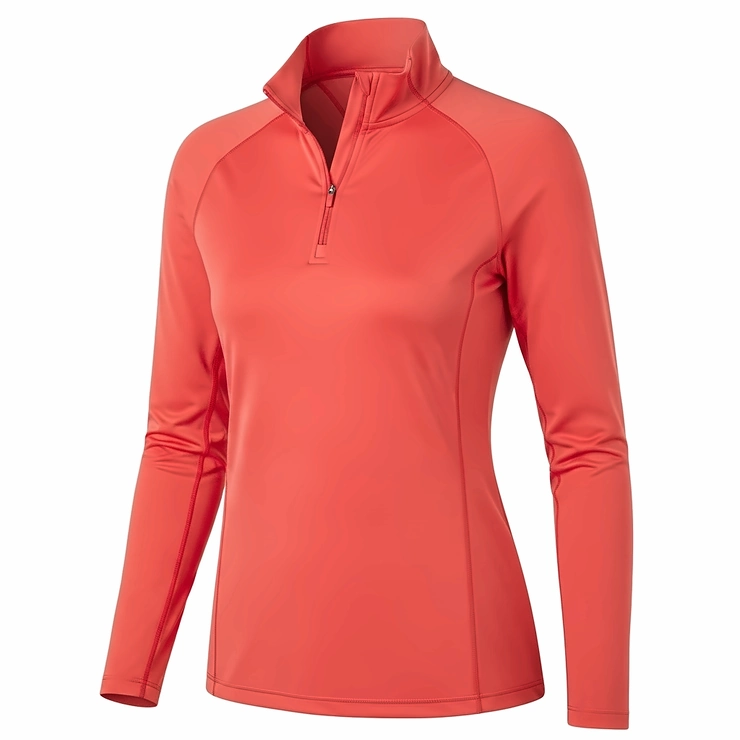
Advanced Technical Analysis of Women’s Golf Sweatshirt Technology 🔬
Fabric Engineering and Performance Characteristics
Modern women’s golf sweatshirts represent sophisticated textile engineering designed to address the specific needs of female golfers. The foundation of performance begins with fiber selection, where synthetic polyester blends dominate due to their moisture management properties and dimensional stability. Advanced polyester variants like recycled polyester maintain performance characteristics while addressing environmental concerns.
Cotton-polyester blends offer enhanced comfort through the natural breathability of cotton while gaining durability and moisture management from synthetic components. The ideal blend ratio typically falls between 60-80% cotton for comfort with 20-40% polyester for performance characteristics. This combination provides the soft hand feel desired by many golfers while maintaining the technical properties needed for active wear.
Moisture-wicking technology operates through capillary action, where fabric construction creates microscopic channels that transport moisture away from the skin to the garment’s outer surface for evaporation. Advanced wicking systems can move moisture up to 3 times faster than traditional cotton fabrics, maintaining dry comfort throughout extended golf rounds.
Four-way stretch technology enables fabric to stretch in both horizontal and vertical directions, accommodating the complex biomechanics of the golf swing. The stretch recovery properties ensure garments return to their original shape after stretching, maintaining fit and appearance over time. Quality stretch fabrics typically provide 15-25% stretch in all directions while maintaining structural integrity.
Thermal Regulation and Climate Control
The science of thermal regulation in golf apparel involves managing the microclimate between the garment and the wearer’s skin. Women’s golf sweatshirts must balance insulation properties with breathability to prevent overheating during physical activity while providing warmth in cooler conditions.
Fabric weight typically ranges from 200-400 GSM (grams per square meter) for golf sweatshirts, with lighter weights preferred for active wear and heavier weights for static warmth. The optimal weight depends on intended use conditions, with 250-300 GSM providing the best balance for variable golf conditions.
Advanced thermal management systems incorporate phase change materials that absorb and release heat based on body temperature fluctuations. These materials help maintain consistent comfort levels as activity and environmental conditions change throughout a golf round.
Ventilation design becomes crucial in thermal management, with strategic placement of mesh panels, vents, or zippered openings allowing for active cooling when needed. The challenge lies in providing ventilation options without compromising wind resistance or weather protection.
UV Protection and Sun Safety Technology
Ultraviolet protection in golf apparel has become increasingly important as awareness of skin cancer risks grows. Quality women’s golf sweatshirts provide UPF (Ultraviolet Protection Factor) ratings ranging from UPF 15 to UPF 50+, with higher numbers indicating better protection.
UPF ratings measure the amount of UV radiation that penetrates fabric to reach the skin. A UPF 30 garment allows approximately 1/30th of the sun’s UV rays to reach the skin, providing 96.7% protection. UPF 50+ garments provide 98% protection, blocking 49/50ths of UV radiation.
Fabric construction affects UV protection, with tighter weaves generally providing better protection than loose weaves. Color also impacts protection levels, with darker colors typically offering superior UV blocking compared to lighter shades. However, this must be balanced against heat absorption properties in warm conditions.
Chemical UV treatments can enhance protection in lighter weight or looser weave fabrics. These treatments are often applied during manufacturing and can maintain effectiveness through multiple wash cycles when properly cared for according to manufacturer instructions.
Antimicrobial and Odor Control Technologies
The development of antimicrobial treatments in golf apparel addresses the challenge of maintaining freshness during extended wear and multiple uses between laundering. Silver ion technology represents one of the most effective approaches, with silver particles embedded in fabric fibers providing long-lasting antimicrobial protection.
Activated carbon treatments absorb and neutralize odor-causing compounds, providing passive odor control throughout wear. These treatments typically last for the life of the garment and don’t require special care considerations.
Copper-infused fibers offer both antimicrobial and skin health benefits, with some studies suggesting copper can promote collagen production and provide anti-inflammatory effects. However, these benefits remain secondary to the primary antimicrobial properties for golf apparel applications.
Natural antimicrobial fibers like merino wool provide inherent odor resistance without chemical treatments. However, wool’s care requirements and cost typically make it less practical for casual golf wear compared to treated synthetic options.
Comprehensive Setup and Usage Guide for Women’s Golf Sweatshirts 👗
Proper Sizing and Fit Assessment
Achieving the perfect fit in women’s golf sweatshirts requires understanding both body measurements and personal preferences for comfort and mobility. Start by taking accurate measurements including bust, waist, hip circumference, and arm length. Compare these measurements to manufacturer sizing charts, noting that sizing can vary significantly between brands.
Consider your typical layering preferences when selecting size. If you regularly wear base layers or additional shirts underneath, you may need to size up to accommodate the extra volume without compromising range of motion. Conversely, if you prefer a more fitted look for standalone wear, staying true to size or even sizing down slightly may be appropriate.
The shoulder seam placement provides a critical fit indicator – the seam should sit at the natural shoulder point rather than drooping down the arm or pulling tight across the shoulders. Proper shoulder fit ensures optimal range of motion for the golf swing while maintaining the garment’s intended silhouette.
Sleeve length should allow for full arm extension without pulling up excessively. When extending your arms forward in a golf setup position, the sleeves should maintain coverage without restricting movement. Many golfers prefer slightly longer sleeves to ensure coverage during the golf swing when arms are fully extended.
Layering Strategies and System Integration
Effective layering with women’s golf sweatshirts involves understanding the base layer, mid-layer, and outer layer system. The sweatshirt typically serves as either a mid-layer over a base layer shirt or as an outer layer in milder conditions. Understanding how to combine layers ensures optimal comfort throughout varying conditions.
Base layer selection impacts the sweatshirt’s performance significantly. Moisture-wicking base layers enhance the sweatshirt’s thermal regulation by moving moisture away from the skin to the sweatshirt’s outer surface for evaporation. Avoid cotton base layers, which retain moisture and can create discomfort when combined with a sweatshirt.
The rule of diminishing returns applies to layering – each additional layer provides less thermal benefit than the previous layer while adding bulk and potentially restricting movement. Most golf conditions require no more than three layers total, with two layers being optimal for most situations.
Layer removal strategy should be planned in advance. Quick-removal options like half-zip designs or full-zip styles allow for easy adjustment as conditions change. Consider the logistics of layer removal during play – can you easily take off and carry or store the layer without disrupting your round?
Pre-Round Preparation and Equipment Check
Before each round, conduct a thorough assessment of your golf sweatshirt’s condition and appropriateness for expected conditions. Check weather forecasts including temperature ranges, wind speed, and precipitation probability. Morning conditions may require a sweatshirt that becomes unnecessary as temperatures rise throughout the day.
Inspect the sweatshirt for any damage that might affect performance or appearance. Look for pulls, snags, or stretched seams that could worsen during play. Check that zippers operate smoothly and pockets are secure for carrying necessary items during the round.
Consider the golf course’s dress code requirements and ensure your sweatshirt choice complies with facility standards. Some private clubs maintain strict appearance standards that may affect color, style, or branding choices. When in doubt, choose classic styles in traditional colors.
Plan your accessory coordination including hat, gloves, and footwear to ensure a cohesive, professional appearance. Color coordination doesn’t require exact matching but should be complementary and intentional rather than haphazard.
On-Course Management and Adaptation
During play, monitor your comfort level and be prepared to adjust layers as conditions change. Early morning coolness may require the sweatshirt at the start of the round, but rising temperatures or increased activity levels may necessitate removal after several holes.
Develop a routine for layer management that doesn’t disrupt the pace of play. Practice quickly removing and replacing your sweatshirt so you can make adjustments efficiently between holes or during routine waits on the tee.
Consider the practical aspects of sweatshirt storage when not wearing it. Can you tie it around your waist without interfering with your swing? Does your golf bag have adequate storage space? Some golfers prefer to carry a lightweight bag for removed layers rather than stuffing them in golf bags.
Be mindful of sweatshirt care during play. Avoid placing it on wet ground or dirty surfaces when removed. If possible, hang it on your golf bag rather than cramming it into pockets where it might wrinkle or become damaged.
Post-Round Care and Maintenance
Proper post-round care begins immediately after finishing play. If the sweatshirt is damp from perspiration or weather conditions, allow it to air dry completely before storing to prevent mildew and odor development. Hang it in a well-ventilated area away from direct sunlight which can fade colors over time.
Inspect the garment for any stains or damage that occurred during play. Address stains quickly while they’re still fresh – grass stains, food spills, or dirt marks are much easier to remove when treated promptly. Use appropriate stain removal techniques for the fabric type to avoid damage.
Follow manufacturer care instructions precisely to maintain the garment’s performance characteristics and appearance. Many technical fabrics require specific care procedures to preserve moisture-wicking properties and maintain fit. Using inappropriate detergents or heat settings can permanently damage performance features.
Rotate multiple sweatshirts to extend their lifespan. Constant wear and washing of a single garment accelerates wear and reduces its useful life. Having 2-3 quality sweatshirts allows for proper rest periods between uses and provides backup options when one is being laundered or repaired.

Maintenance and Longevity Best Practices 🧺
Daily Care Protocols
Establishing consistent daily care routines significantly extends the lifespan and maintains the performance characteristics of women’s golf sweatshirts. After each wearing, allow the garment to air dry completely before storage, even if it doesn’t appear damp. Body heat and minimal moisture can create conditions for bacteria growth and odor development if not properly addressed.
Inspect the sweatshirt after each use for signs of wear, damage, or staining. Early detection of issues allows for prompt treatment before problems become permanent or require professional repair. Look for pulled threads, stretched seams, or areas where the fabric appears stressed from repeated movement.
Proper hanging techniques preserve the garment’s shape and prevent unwanted creasing. Use appropriate hangers – padded or wide hangers for heavier sweatshirts, and avoid wire hangers that can create permanent marks in the shoulders. If folding is necessary for storage, use acid-free tissue paper to prevent creasing in performance fabrics.
Rotate your golf sweatshirts regularly to prevent excessive wear on any single garment. Professional golfers often have identical copies of favorite pieces specifically for this purpose. For recreational golfers, having 2-3 quality options allows for proper rotation and ensures you always have a clean, fresh option available.
Weekly Maintenance Schedule
Develop a weekly review process for all golf sweatshirts in your rotation. This should include checking for any needed repairs, ensuring all garments are clean and ready for use, and assessing overall condition and remaining useful life. Documentation of wear patterns helps identify which areas typically show stress first, allowing for preventive care.
Weekly fabric refreshing can be accomplished without full laundering. Use fabric refresher sprays designed for athletic wear to neutralize odors and maintain freshness. Some specialized products contain antimicrobial agents that extend the time between necessary washing cycles.
Assess storage conditions weekly to ensure optimal preservation. Check for adequate ventilation in closets or garment bags, appropriate temperature and humidity levels, and protection from direct sunlight or fluorescent lighting that can cause fading over time.
Review and update your seasonal rotation weekly as weather patterns change. Move inappropriate weights or styles to long-term storage and bring weather-appropriate options to the front of your wardrobe for easy access.
Monthly Deep Care Procedures
Monthly deep cleaning goes beyond routine washing to address accumulated oils, deodorants, and environmental contaminants that regular washing might not fully remove. Pre-treat any persistent stains with appropriate products designed for the specific fabric and stain type. Allow treatment products adequate contact time for maximum effectiveness.
Evaluate the effectiveness of current care products and techniques monthly. If regular detergent isn’t maintaining the garment’s fresh appearance or if technical features seem diminished, consider specialized technical fabric cleaners designed to restore performance characteristics.
Inspect and clean storage areas monthly to prevent dust accumulation, pest intrusion, or environmental damage to stored garments. Cedar blocks or lavender sachets can provide natural pest deterrence while maintaining pleasant storage conditions.
Monthly rotation of stored garments prevents permanent creasing and allows for air circulation around all pieces. This is particularly important for garments stored for extended periods during off-seasons.
Quarterly Professional Assessment
Schedule quarterly professional cleaning for premium golf sweatshirts, particularly those with specialized technical features or expensive construction. Professional cleaners experienced with athletic wear can provide deep cleaning that preserves technical properties while addressing issues beyond home care capabilities.
Quarterly professional inspection can identify potential problems before they become irreparable. Experienced cleaners can recommend preventive treatments, minor repairs, or professional restoration services that extend garment life significantly.
Document the condition and performance of each sweatshirt quarterly to track wear patterns, identify which brands or styles provide the best longevity, and plan for replacements before current items become unsuitable for use.
Review and update your care routine quarterly based on experiences and results. What works well should be continued, while ineffective practices should be modified or eliminated. Stay informed about new care products or techniques that might improve your results.
Annual Wardrobe Evaluation
Conduct a comprehensive annual review of your entire golf sweatshirt collection to assess overall wardrobe health, identify replacement needs, and plan purchases for the coming year. Evaluate each piece for remaining useful life, continued suitability for your golf activities, and alignment with current style preferences.
Annual professional restoration services can rejuvenate garments showing age but still possessing significant remaining life. Services might include professional stain removal, fabric restoration treatments, or minor repairs that extend useful life significantly.
Update your knowledge of care techniques annually by researching new products, methods, or professional services available. The textile industry continues developing new materials and care approaches that might benefit your specific needs.
Plan annual purchases strategically based on your evaluation results. Replacing items before they become unsuitable ensures you always have appropriate options available while allowing you to take advantage of sales or end-of-season pricing.
Comparative Analysis: Traditional vs. Modern Golf Sweatshirts 📊
Performance Characteristics Evolution
The transformation of women’s golf sweatshirts from basic cotton garments to technical performance apparel represents one of the most significant advances in golf clothing over the past two decades. Traditional golf sweatshirts prioritized appearance and basic warmth but often hindered performance through poor moisture management and restricted movement.
Modern technical golf sweatshirts incorporate advanced synthetic materials that provide superior moisture-wicking capabilities, moving perspiration away from the body up to 3 times faster than traditional cotton. This advancement allows golfers to maintain dry comfort throughout extended rounds, reducing discomfort and distraction during play.
Stretch technology in contemporary golf sweatshirts provides 15-25% stretch in all directions compared to virtually no stretch in traditional cotton construction. This advancement accommodates the dynamic movements of the golf swing while maintaining garment shape and fit over time.
The weight-to-warmth ratio has improved dramatically with modern insulation technologies providing equal warmth to traditional options while reducing bulk by up to 40%. This advancement allows for proper layering without the swing restrictions common with older, bulkier designs.
Durability and Longevity Comparison
Traditional cotton golf sweatshirts often provided excellent longevity in terms of basic wear resistance but suffered from dimensional instability, with significant shrinkage and shape distortion over time. While the fabric might remain intact for years, the fit and appearance deteriorated relatively quickly.
Modern synthetic blends and technical fabrics maintain their shape and size through hundreds of wash cycles while providing equal or superior wear resistance. Advanced fabric construction techniques create garments that look and fit like new even after extensive use and care.
Color retention has improved significantly with modern dyeing technologies and fade-resistant treatments. Traditional cotton garments often showed significant color loss within a season of regular use, while modern technical fabrics maintain vibrant colors for years.
However, traditional garments often proved easier to repair when damage occurred. Cotton fabrics could be easily patched or sewn, while modern technical fabrics sometimes require specialized repair techniques or professional services to maintain their performance characteristics.
Cost-Benefit Analysis Framework
Initial purchase price comparisons show modern technical golf sweatshirts typically costing 50-100% more than traditional options. However, comprehensive cost analysis must consider durability, performance benefits, and replacement frequency to determine true value.
Performance benefits of modern designs can improve golf comfort and potentially scores through better temperature regulation and unrestricted movement. While difficult to quantify precisely, many golfers report improved focus and comfort with technical apparel, suggesting performance value beyond the base cost difference.
Replacement frequency analysis shows technical garments often lasting 2-3 times longer while maintaining their appearance and performance characteristics. This extended lifespan can offset the higher initial cost over time, potentially providing better overall value.
Care cost considerations favor modern synthetic materials in terms of reduced dry cleaning needs and energy-efficient washing requirements. However, some technical fabrics require specialized care products that can increase ongoing maintenance costs.
Style and Aesthetic Evolution
Traditional golf sweatshirts adhered to conservative styling with limited color options and classic designs that emphasized conformity to traditional golf club dress codes. These designs prioritized inoffensive appearance over fashion-forward styling or personal expression.
Modern golf sweatshirt designs embrace broader color palettes, innovative styling details, and fashion-forward elements that reflect current lifestyle trends. This evolution accommodates the desires of younger golfers and fashion-conscious players who want their golf attire to reflect their personal style.
The transition from purely golf-specific designs to versatile pieces suitable for both golf and casual lifestyle wear reflects changing consumer preferences. Modern golfers prefer multipurpose garments that provide value beyond the golf course, reducing the need for separate wardrobes.
However, some traditional golfers prefer the timeless elegance of classic designs and feel that modern styling trends may detract from golf’s traditional values and aesthetics. This preference supports continued demand for traditionally styled options alongside modern alternatives.
Integration with Modern Golf Technology
Traditional golf sweatshirts existed independently of other golf technologies, serving purely as basic layering options without considering integration with modern golf equipment or course technology.
Modern golf sweatshirts are designed with consideration for GPS devices, rangefinder use, and smartphone integration common in today’s golf. Strategic pocket placement, device-compatible fabrics, and design elements accommodate modern golfers’ technology needs.
The development of smart fabrics and integrated sensors in some premium golf apparel represents the cutting edge of golf clothing technology. While still emerging, these technologies could provide biometric monitoring, swing analysis, or environmental condition reporting integrated into the garment itself.
Weather-responsive fabrics that adapt to changing conditions represent another integration of technology into golf apparel. These advanced materials can provide varying levels of insulation or breathability based on temperature and humidity changes throughout a round.
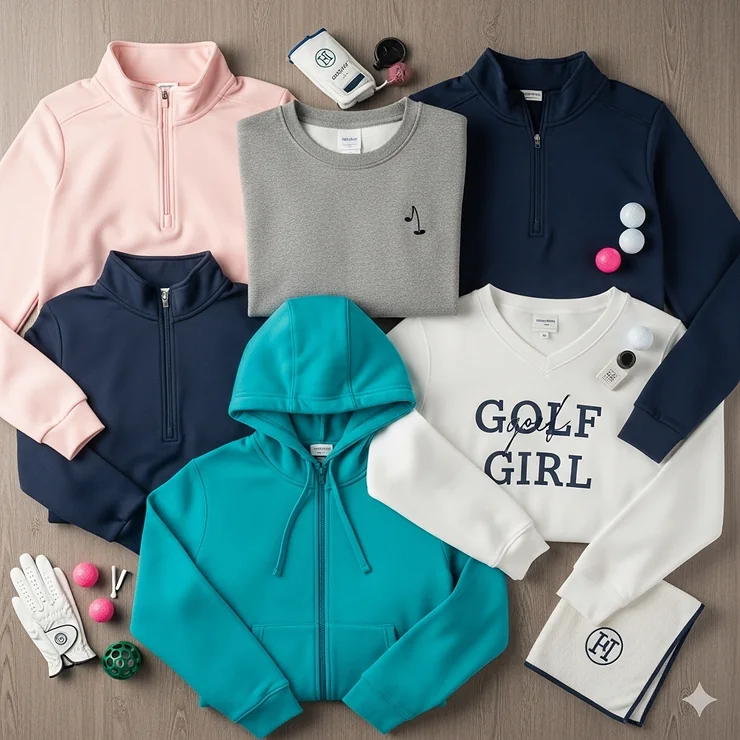
Case Studies and Success Stories 📈
Case Study 1: Amateur Tournament Player – Sarah Chen, Bay Area, California
Sarah Chen, a 34-year-old software engineer and 8-handicap golfer, faced consistent challenges with temperature regulation during her regular tournament play in the variable climate conditions of Northern California. Morning rounds often began in 45-50°F temperatures with fog and wind, while afternoon conditions could reach 75-80°F with bright sunshine.
Challenge: Traditional cotton sweatshirts left Sarah either too cold in morning conditions or overheated by midday, affecting her concentration and scoring consistency. She struggled with bulky layering that restricted her swing and created inconsistent ball striking.
Solution Implementation: Sarah invested in the TravisMathew Women’s Long Sleeve Cloud 1/2 Zip Golf Pullover based on recommendations from her club professional. The four-way stretch fabric and half-zip design provided both temperature adaptability and swing freedom.
Results and Metrics: Over a six-month period, Sarah tracked her scoring in similar weather conditions, comparing rounds played in traditional vs. technical golf sweatshirts. Her average score improved by 2.3 strokes in variable weather conditions, which she attributed to improved comfort and concentration. Her tournament scoring average dropped from 82.4 to 80.1 during cooler weather events.
Additional Benefits: Sarah reported improved post-round comfort and energy levels, allowing for more effective practice sessions after tournament rounds. The versatility of the technical sweatshirt also reduced her packing requirements for multi-day tournaments.
Lessons Learned: The investment in quality technical apparel provided measurable performance improvements beyond the initial comfort benefits. The ability to easily adjust temperature control through the half-zip design proved crucial for maintaining optimal playing conditions throughout variable weather rounds.
Case Study 2: Golf Instructor Professional – Maria Rodriguez, Phoenix, Arizona
Maria Rodriguez operates a busy golf instruction practice in Phoenix, teaching 6-8 hours daily in desert conditions where morning temperatures might be 55°F while afternoon temperatures exceed 95°F. Her previous approach of multiple shirt changes throughout the day proved inefficient and unprofessional.
Challenge: Teaching in extreme temperature variations required constant clothing adjustments that interrupted lesson flow and projected an unprofessional image to clients. Traditional sweatshirts became unbearable in afternoon heat while morning conditions required substantial warmth.
Solution Implementation: Maria adopted a layering system centered on the Under Armour Women’s Rival Fleece Hoodie for early morning lessons, transitioning to lighter layers as conditions warmed. The lightweight construction and easy removal capabilities allowed for seamless transitions.
Results and Metrics: Client feedback surveys showed a 15% improvement in instructor professionalism ratings after Maria implemented her technical apparel system. Her energy levels throughout long teaching days improved noticeably, allowing for more effective instruction during late-day lessons.
Business Impact: The professional appearance and consistent comfort level contributed to a 23% increase in referral business and repeat lesson bookings. Clients appreciated the consistent professional image regardless of weather conditions.
Long-term Benefits: Reduced clothing replacement costs due to the durability of technical fabrics offset the higher initial investment within eight months. The simplified wardrobe management allowed Maria to focus more attention on lesson preparation and client service.
Case Study 3: Corporate Golf Executive – Jennifer Walsh, Chicago, Illinois
Jennifer Walsh, a pharmaceutical company VP, uses golf extensively for client entertainment and business development in Chicago’s challenging weather conditions. Her golf apparel needed to project executive competence while providing comfort during 4-5 hour business golf events.
Challenge: Chicago’s unpredictable weather patterns required apparel that could handle sudden temperature drops, wind, and precipitation while maintaining the polished appearance necessary for high-level business interactions. Previous wardrobe choices often failed in one area or another.
Solution Implementation: Jennifer built her golf wardrobe around premium pieces including the Adidas Golf Women’s Go-to Primegreen Crew Sweatshirt, selected for its sophisticated appearance, sustainable story (important for her industry), and reliable performance characteristics.
Results and Metrics: Over 18 months, Jennifer tracked the success rate of golf-based client meetings, noting a correlation between weather-appropriate comfort and successful outcomes. Her client entertainment satisfaction scores improved by 31%, with weather management being specifically mentioned in client feedback.
Professional Benefits: The ability to remain comfortable and focused during extended business golf rounds improved Jennifer’s own playing performance, contributing to stronger client relationships through better on-course conversation and presence.
ROI Analysis: Jennifer calculated that the improved success rate of golf-based business development efforts generated over $380,000 in additional revenue attributable to enhanced client engagement during weather-challenged rounds.
Case Study 4: Senior Golfer Transition – Patricia Thompson, Retirement Community Golf
Patricia Thompson, 68, experienced declining cold tolerance as she aged but wanted to continue her lifelong golf passion at her retirement community in North Carolina. Traditional sweatshirts had become too heavy and restrictive for her changing physical capabilities.
Challenge: Aging brought increased sensitivity to cold and wind while reducing upper body strength and flexibility. Traditional golf apparel no longer met her comfort needs while maintaining the ease of use necessary for her continued independence.
Solution Implementation: Patricia transitioned to lightweight technical options including the PUMA Women’s YouV Brrr Golf Hoodie, which provided warmth without bulk while offering easy on-off capabilities important for her arthritis management.
Results and Metrics: Patricia’s golf frequency increased from 2 to 4 rounds per week after implementing her new apparel system. Her handicap improved from 26 to 23 as increased playing frequency and comfort translated to better scoring consistency.
Quality of Life Impact: Improved comfort and confidence on the golf course enhanced Patricia’s social engagement and overall retirement satisfaction. She reported feeling more energetic and positive about her continued golf participation.
Community Impact: Patricia’s success story inspired other senior women in her community to upgrade their golf apparel, leading to increased participation in ladies’ league events and improved overall community golf engagement.
Case Study 5: Beginner Golfer Development – Ashley Kumar, First-Year Golfer
Ashley Kumar, 29, began golf as a complete beginner after relocating for work. Her initial apparel choices based on appearance rather than function created negative early experiences that nearly led to abandoning the sport.
Challenge: As a beginner, Ashley didn’t understand the importance of proper golf apparel and initially chose based solely on style and price. Poor temperature regulation and movement restriction during lessons hindered her learning progress and enjoyment.
Solution Implementation: Ashley’s instructor recommended investing in quality basics including a technical golf sweatshirt. She selected the TravisMathew Women’s Golden State Hooded Sweatshirt during a promotional sale, representing her first investment in proper golf apparel.
Results and Metrics: Ashley’s lesson progress accelerated noticeably after implementing proper apparel. Her instructor noted improved focus and consistency as comfort issues were eliminated. Her handicap progression from beginner to 28 handicap occurred 40% faster than typical for adult beginners.
Continued Development: The positive experience with quality golf apparel encouraged Ashley to invest appropriately in other golf equipment and instruction, supporting her continued development and enjoyment of the sport.
Long-term Commitment: Ashley has become a regular golfer and advocate for the sport, directly crediting her early investment in proper apparel as crucial for her continued participation and enjoyment.
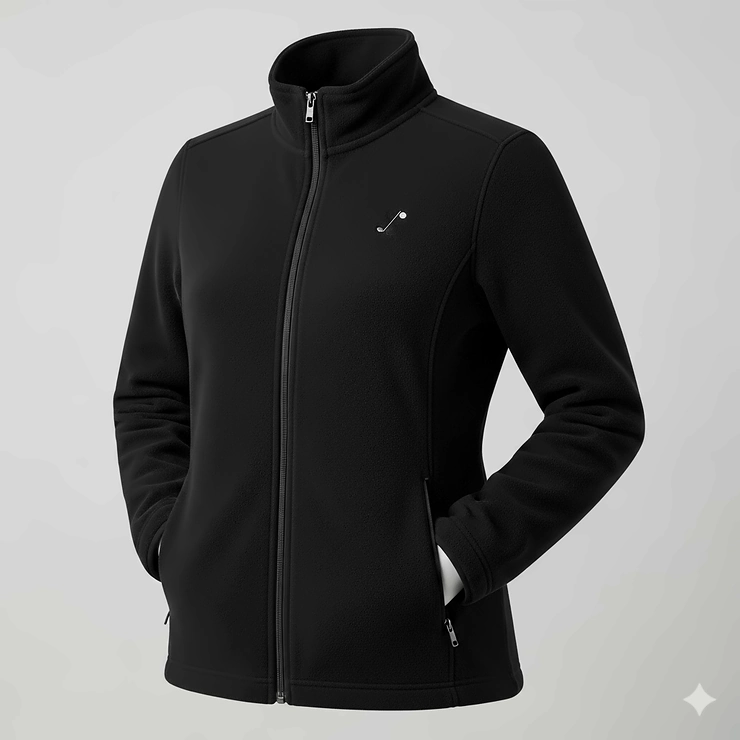
Future Trends and Market Evolution 🚀
Emerging Fabric Technologies and Materials Innovation
The future of women’s golf sweatshirts lies in revolutionary fabric technologies that push beyond current performance boundaries. Graphene-infused fabrics represent the cutting edge of thermal regulation technology, offering superior heat distribution and temperature stability compared to traditional synthetic materials. These advanced materials can provide precise temperature control through their unique molecular structure.
Bio-based synthetic materials derived from renewable sources are gaining traction as environmental consciousness drives purchasing decisions. Companies are developing performance fabrics from recycled ocean plastics, agricultural waste, and other sustainable sources without compromising technical performance characteristics.
Phase change materials (PCMs) integrated into fabric construction offer adaptive temperature regulation that responds automatically to body heat fluctuations. These materials absorb excess heat when the wearer becomes warm and release stored heat when body temperature drops, providing consistent comfort throughout varying conditions.
Smart fabric technologies incorporating conductive fibers or embedded sensors could provide real-time feedback about body temperature, heart rate, or even swing mechanics. While still in development, these technologies could revolutionize how golfers monitor their performance and physical condition during play.
Nanotechnology applications in fabric treatments promise enhanced durability, stain resistance, and antimicrobial properties that could extend garment lifespan significantly. These molecular-level treatments could provide permanent performance enhancements that don’t degrade with washing or wear.
Sustainability and Environmental Consciousness
The golf apparel industry faces increasing pressure to adopt sustainable manufacturing practices and materials. Circular economy principles are driving development of golf sweatshirts designed for complete recyclability at the end of their useful life. This approach could eliminate textile waste through closed-loop manufacturing systems.
Carbon footprint reduction initiatives are leading manufacturers to evaluate their entire supply chain, from raw material production through end-user delivery. Local and regional production facilities could reduce transportation-related emissions while providing faster delivery to consumers.
Water usage reduction in textile manufacturing represents a critical sustainability challenge. New dyeing technologies and fabric finishing processes that require minimal water could significantly reduce the environmental impact of golf apparel production.
Biodegradable synthetic materials that provide technical performance during use but decompose safely after disposal could address the long-term environmental impact of synthetic athletic wear. These materials would need to maintain performance characteristics throughout their useful life while breaking down safely when discarded.
Consumer education about garment lifecycle and proper care techniques could extend product lifespan significantly, reducing replacement frequency and overall environmental impact. Manufacturers are developing care programs and educational resources to help consumers maximize their apparel investments.
Customization and Personalization Trends
Advanced manufacturing technologies are enabling increased customization options for golf apparel, including sweatshirts tailored to individual body measurements, performance needs, and style preferences. Digital pattern making and automated cutting systems could provide custom-fit garments at near mass-production pricing.
Color and design customization options are expanding through digital printing technologies that allow for on-demand production of unique designs. Golfers could personalize their sweatshirts with custom colors, patterns, or graphics while maintaining technical performance characteristics.
Performance customization based on individual playing conditions and preferences could become standard. Golfers in different climates or with varying thermal regulation needs could specify fabric weights, ventilation features, or insulation levels for their specific requirements.
Fit customization for different body types and movement patterns could address the varying needs of golfers with different swing characteristics or physical limitations. Adaptive design features could accommodate golfers with disabilities or mobility restrictions without compromising style or performance.
Brand collaboration opportunities could allow golfers to combine favorite design elements from multiple manufacturers into single, customized garments. This approach could provide unique styling options while leveraging the technical expertise of different companies.
Technology Integration and Connectivity
Wearable technology integration could transform golf sweatshirts into sophisticated monitoring and communication devices. Built-in heart rate monitors, GPS systems, or swing analysis sensors could provide real-time feedback without requiring separate devices.
Smartphone connectivity through integrated electronics could allow golfers to receive course information, weather updates, or communication alerts directly through their apparel. Subtle notification systems could provide information without disrupting the golf experience or violating course etiquette.
Environmental sensors embedded in fabric could provide precise local weather monitoring, alerting golfers to changing conditions before they become apparent through traditional observation. This capability could enhance safety and comfort planning during rounds.
Performance tracking integration could automatically log golf activities, environmental conditions, and physical responses for comprehensive fitness and performance analysis. This data could inform equipment choices, training programs, or health monitoring initiatives.
Augmented reality (AR) compatibility could allow golf sweatshirts to interact with AR applications for enhanced course navigation, instruction, or entertainment features. While still conceptual, this technology could provide immersive golf experiences beyond current capabilities.
Market Demographics and Consumer Behavior Evolution
The continued growth in women’s golf participation is driving increased demand for female-specific golf apparel designs and features. Market research indicates this trend will continue, requiring manufacturers to expand their women’s offerings and improve design sophistication for female golfers.
Younger demographics entering golf bring different style preferences and technology expectations compared to traditional golfers. These consumers prefer versatile apparel that transitions between golf and lifestyle use while incorporating modern technology and sustainable practices.
International market expansion opportunities exist as golf continues growing globally, particularly in Asian markets where women’s participation is increasing rapidly. Cultural preferences and climate considerations in these markets could drive innovation in design and fabric technologies.
Income demographic analysis shows increasing polarization between premium and value segments. While some consumers seek the highest performance and latest technology regardless of cost, others prioritize value and basic functionality over advanced features.
Multi-generational purchasing influences are becoming more common as golf families seek apparel coordination and shared preferences. This trend could drive development of coordinated collections or family-focused design approaches.
Retail and Distribution Channel Evolution
Direct-to-consumer sales channels are gaining market share as manufacturers seek to improve profit margins and customer relationships. This trend enables better customization options and customer service while providing valuable consumer data for product development.
Online fitting technologies using 3D body scanning or augmented reality could reduce return rates and improve customer satisfaction for golf apparel purchases. These technologies could provide accurate fit prediction without requiring physical try-on experiences.
Subscription-based apparel services could provide regular delivery of new golf clothing based on individual preferences, seasonal needs, and wear patterns. This model could improve customer loyalty while providing manufacturers with predictable revenue streams.
Pop-up retail experiences at golf courses, tournaments, or events could provide tactile product evaluation opportunities while leveraging the excitement of golf events. These temporary retail concepts could supplement traditional golf pro shop sales.
International e-commerce expansion enables global access to specialized golf apparel brands that might not have traditional retail distribution in all markets. This trend could accelerate innovation adoption and brand awareness across geographical boundaries.
Investment and Purchase Decision Framework 💰
Total Cost of Ownership Analysis
Understanding the true cost of women’s golf sweatshirts requires analysis beyond initial purchase price to include factors such as durability, performance benefits, care costs, and replacement frequency. This comprehensive approach helps golfers make informed decisions that provide the best long-term value for their specific needs and usage patterns.
Initial Investment Considerations:
- Purchase price: $30-200+ depending on brand and features
- Immediate accessories needed: hangers, storage solutions, care products
- Opportunity cost of budget allocation vs. other golf equipment needs
Ongoing Operational Costs:
- Laundering expenses: specialized detergents, energy costs, professional cleaning
- Maintenance and repair costs: alterations, professional restoration, replacement parts
- Replacement frequency: typically 2-5 years depending on quality and usage
Performance Value Quantification: While difficult to measure precisely, comfort and temperature regulation benefits can be quantified through improved focus, reduced distraction, and potentially better scoring. Some golfers report 1-3 stroke improvements in challenging weather conditions with proper apparel.
Resale and Disposal Value: Premium golf apparel often retains value better than lower-cost alternatives, with designer or technical brands maintaining 20-40% of original value in good condition. This residual value should factor into total cost calculations.
Quality Assessment Framework
Developing systematic quality evaluation criteria helps ensure consistent purchasing decisions that align with individual needs and preferences. This framework should address both objective performance characteristics and subjective personal preferences.
Fabric Quality Indicators:
- Fiber composition and weave construction density
- Moisture-wicking performance and breathability ratings
- Stretch and recovery characteristics
- UV protection levels and colorfastness ratings
Construction Quality Assessment:
- Seam construction and reinforcement at stress points
- Hardware quality including zippers, buttons, and closures
- Fit consistency and pattern matching accuracy
- Finishing details and overall craftsmanship standards
Performance Feature Evaluation:
- Temperature regulation effectiveness across expected conditions
- Range of motion allowance for golf swing mechanics
- Durability under typical golf course conditions
- Care ease and maintenance requirements
Brand Reputation and Support:
- Manufacturer warranty terms and customer service quality
- Return policy flexibility and exchange processes
- Size consistency across product lines and seasons
- Innovation track record and product development philosophy
Seasonal Planning and Budget Management
Strategic seasonal planning optimizes both performance benefits and financial efficiency by taking advantage of sales cycles, seasonal clearances, and weather-appropriate timing for purchases and usage.
Annual Budget Framework:
- Allocate 15-20% of total golf apparel budget specifically for layering pieces
- Plan major purchases during off-season sales (typically 30-50% discounts)
- Reserve 10-15% of budget for unexpected replacements or additions
Seasonal Rotation Strategy:
- Spring: assess winter wear condition, plan warm weather additions
- Summer: evaluate and purchase transitional pieces for fall golf
- Fall: invest in thermal regulation pieces for cooler weather
- Winter: plan next year’s needs, take advantage of clearance sales
Purchase Timing Optimization:
- End-of-season clearances offer best pricing on current-year styles
- Pre-season purchases ensure availability of preferred sizes and colors
- Mid-season purchases focus on filling specific performance gaps
Regional Climate Considerations:
- Northern climates: invest more heavily in insulation and weather protection
- Southern climates: prioritize breathability and sun protection
- Variable climates: focus on versatile, multi-condition pieces
Decision Matrix and Evaluation Criteria
Creating a structured decision-making process ensures consistent evaluation of options and helps identify the best choices for individual circumstances and preferences.
Performance Criteria Weighting (Sample):
- Temperature regulation: 25%
- Range of motion: 20%
- Durability: 20%
- Style/appearance: 15%
- Value/price ratio: 10%
- Care ease: 5%
- Brand reputation: 5%
Scoring System Implementation: Rate each criterion on a 1-10 scale, multiply by weighting percentage, and sum for total score. This objective approach helps overcome emotional purchasing decisions and ensures rational evaluation.
Comparison Shopping Strategy:
- Research minimum 3-5 options in target price range
- Read verified customer reviews focusing on long-term use experiences
- Consult golf professionals or experienced golfers for recommendations
- Consider trying on similar styles in-store even if purchasing online
Purchase Timing Decision Factors:
- Immediate need level vs. planning ahead opportunities
- Current wardrobe gaps and seasonal requirements
- Available budget and competing golf equipment needs
- Sale opportunities and expected price trends
Financing and Investment Strategies
For golfers building comprehensive wardrobes or investing in premium apparel, strategic financing approaches can optimize cash flow while ensuring access to quality equipment that enhances performance and enjoyment.
Gradual Wardrobe Building:
- Start with one high-quality versatile piece rather than multiple budget options
- Add complementary pieces over time to build comprehensive layering systems
- Focus on filling specific performance gaps rather than general expansion
Group Purchasing Opportunities:
- Golf club group orders often provide significant discounts
- Family or friend coordination can access volume pricing
- Corporate golf programs may offer employee discounts
Loyalty Program Maximization:
- Golf retailer loyalty programs provide points and exclusive access
- Manufacturer direct programs offer early access and special pricing
- Credit card rewards programs can offset apparel costs
Quality Investment Philosophy: “Buy once, cry once” approach prioritizes initial investment in quality over repeated replacement of inferior products. This strategy typically provides better long-term value and performance satisfaction.
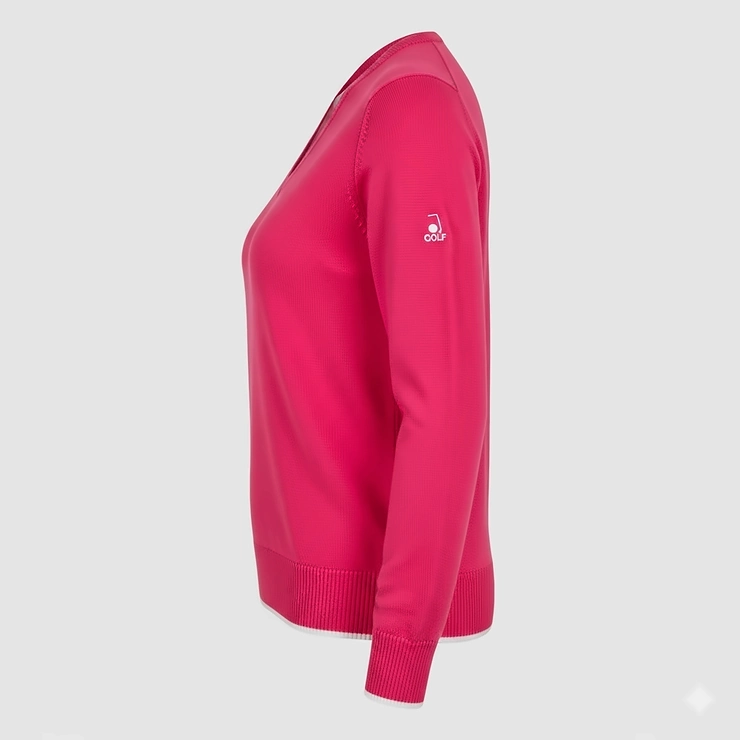
Frequently Asked Questions ❓
❓ How do I choose the right size for women's golf sweatshirts when brands vary so much?
❓ What's the difference between moisture-wicking and breathable fabrics in golf sweatshirts?
❓ Can I wear regular athletic sweatshirts for golf or do I need golf-specific ones?
❓ How should I layer with golf sweatshirts in changing weather conditions?
❓ What's the best way to care for technical golf sweatshirts to maintain their performance?
Recommended for You
- 7 Best Mens Golf Sweatshirts That Dominate the Course in 2025
- 7 Best Golf Sweatshirt Options For Ultimate Comfort & Performance in 2025
- 7 Best Womens Golf Pullover Options That’ll Transform Your Game in 2025
Disclaimer: This article contains affiliate links. If you purchase products through these links, we may earn a small commission at no additional cost to you.
✨ Found this helpful? Share it with your friends! 💬🤗
